About this place
Iglesia de San Pablo is one of the oldest churches in Córdoba, standing on Calle Capitulares just steps from the city hall. It belongs to the group of so-called Fernandine churches, built on the order of Ferdinand III the Saint after the conquest of the city in 1236, when the new Christian rulers marked their presence with a fresh network of parishes across territory taken from Muslim control.
How do you get there?
The church sits right in the historic core of Córdoba, at Calle Capitulares 18, directly across from the town hall building. It's an easy walk from the Mezquita-Catedral — just a few minutes through the old town's narrow streets — so reaching it doesn't require much planning even without a map. The interior is open during regular visiting and service hours, generally starting around 10:00, with a midday break; it's worth checking the current schedule before you go, since hours shift between the summer months (July–September) and the rest of the year.
What will you see?
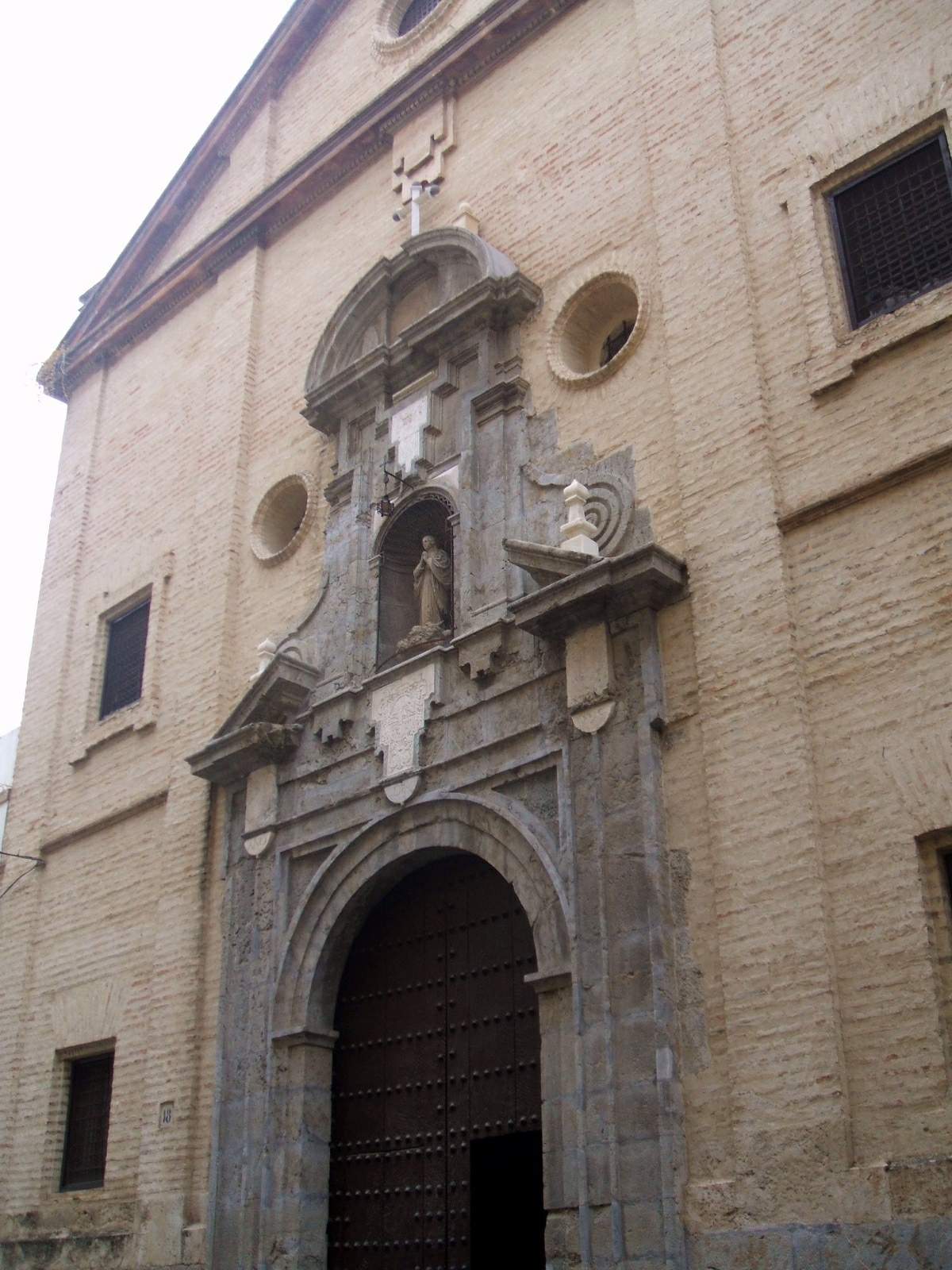
The building as it stands today was constructed between the 13th and 14th centuries, then substantially reworked in the 18th century, which is when the facade took on its present look. The portal facing Calle Capitulares is framed by ornate Solomonic columns, a hallmark of the Baroque taste of that later remodeling. The result is a layered mix of Romanesque, Gothic, and Mudéjar elements that turns a single visit into a walk through several centuries at once.
The interior's standout feature is a coffered ceiling carrying rich Mudéjar decoration — a reminder that the craftsmen who built a Christian church still worked firmly within the decorative language of Islamic art. Beneath the church survives a qubba, a vaulted chamber that researchers believe may be a remnant of an Almohad-era palace structure absorbed into the later building. The main altarpiece is another highlight, and so is the bell tower, home to one of only three carillons in all of Spain considered among the best preserved — an easy detail to miss, but worth pausing for.
The site's history is tied to a Dominican convent founded in 1237, a year after the church itself, making it one of the earliest houses the order established on the Iberian Peninsula. That community produced figures such as fray Francisco de Córdoba, linked to the founding of universities in Lima and on Hispaniola, fray Jerónimo de Loayza, the first archbishop of Lima, and Francisco de Posadas, a preacher who spread devotion to the rosary across Andalusia. Since 1904 the church has been in the care of the Claretian Fathers, and it still functions today as an active parish with regular services.
When should you visit?
Because San Pablo remains a working parish church, it's best to time a visit outside Mass hours so you can move around the interior freely. Weekday mornings, especially outside the busiest tourist months, tend to be the quietest. In summer (July–September) the church typically stays open later in the day, which makes it easier to fit into a broader sightseeing schedule.
Frequently asked questions
Is entry to the church free? Yes, visiting during regular opening hours is free, as is standard for active parish churches in Córdoba.
How long does a visit take? About 15–20 minutes is enough to take in the Mudéjar ceiling, the altarpiece, and the Solomonic-column portal, though anyone drawn to the architecture may want to linger longer.
Is San Pablo close to Córdoba's other main sights? Yes, it sits right in the historic center, within walking distance of the town hall and the Mezquita-Catedral, making it easy to fold into a wider old-town route.
What makes this church especially distinctive? The combination of its Mudéjar coffered ceiling with the presumed Almohad qubba surviving beneath the building — a rare, tangible layering of Córdoba's architectural history in one site.
Nearby places
-

Monasterio de Santa Marta
Kordoba
-
Monasterio Cisterciense de la Inmaculada Concepción
Kordoba
-
Iglesia de San Andrés Apóstol
Kordoba
-
Convento de San Rafael
Kordoba
-
Triunfo de San Rafael de la Plaza de la Compañía (Córdoba)
Kordoba
-
Colegio de Santa Catalina e Iglesia de San Salvador y Santo Domingo de Silos
Kordoba
Earn badges for the places you visit
Download NextOnTrip, discover new places and check off your trails.