About this place
Monasterio de Santa Marta is the oldest enclosed convent in Córdoba, tucked into the narrow lanes of the Ajerquía district, right against the old city walls. It's still an active home for Hieronymite nuns, so visits are largely limited to the church and its entrance courtyard — but that's enough to sense a place that has kept its own slow rhythm for more than five and a half centuries.
How did the convent come to be?
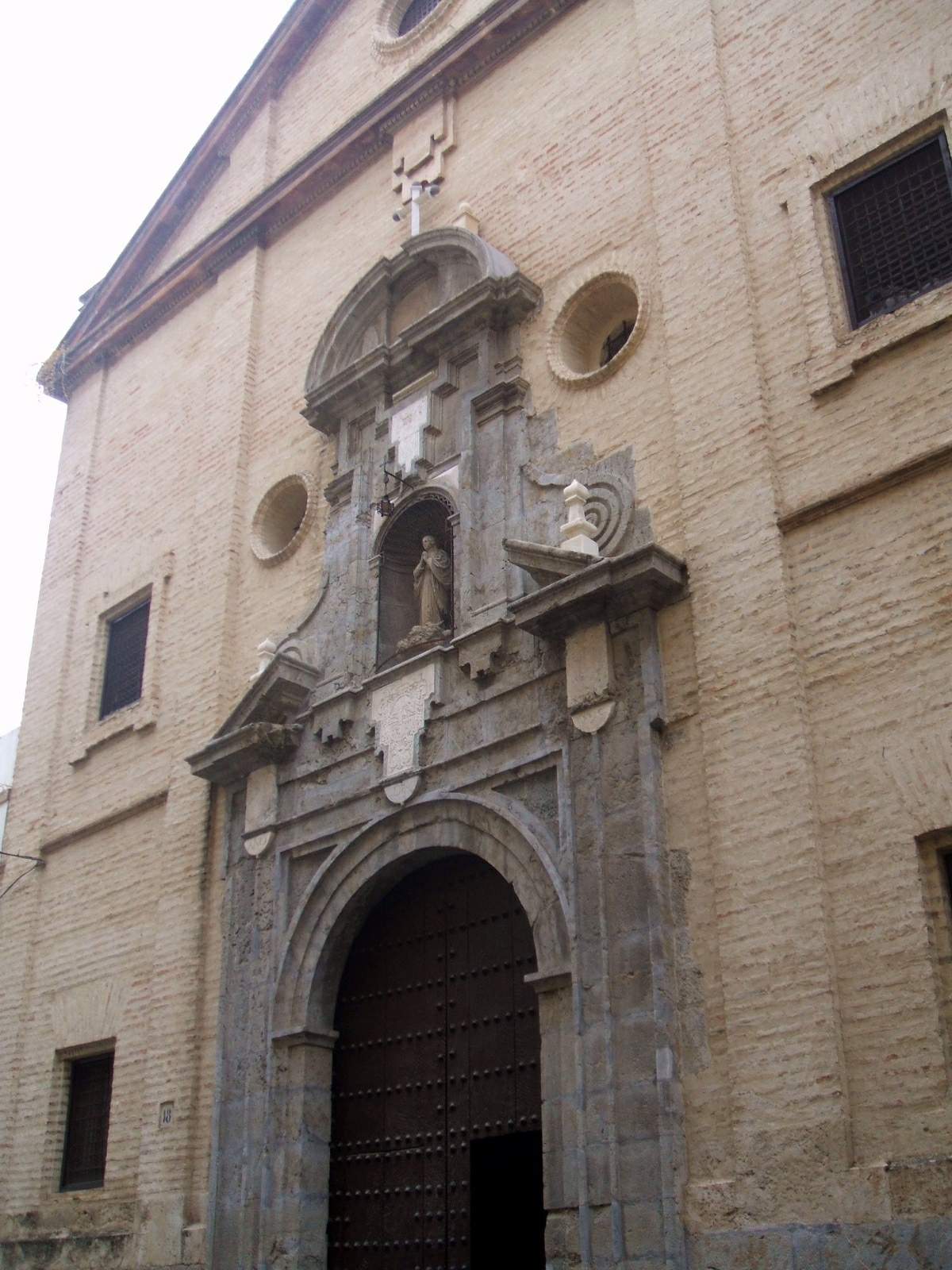
The story starts in 1455, when Catalina López de Morales donated a group of houses known as the Corral de los Cárdenas for religious use. A community of beatas — women living a devout life without belonging formally to any order — settled there. A few years later, a papal bull from Paul II allowed the community to become a full Hieronymite convent for women. Building work stretched from the late 1460s until 1510, first under master builder Gonzalo Rodríguez and, after his death, under Hernán Ruiz I, who designed the church façade completed in 1511.
What will you actually see?
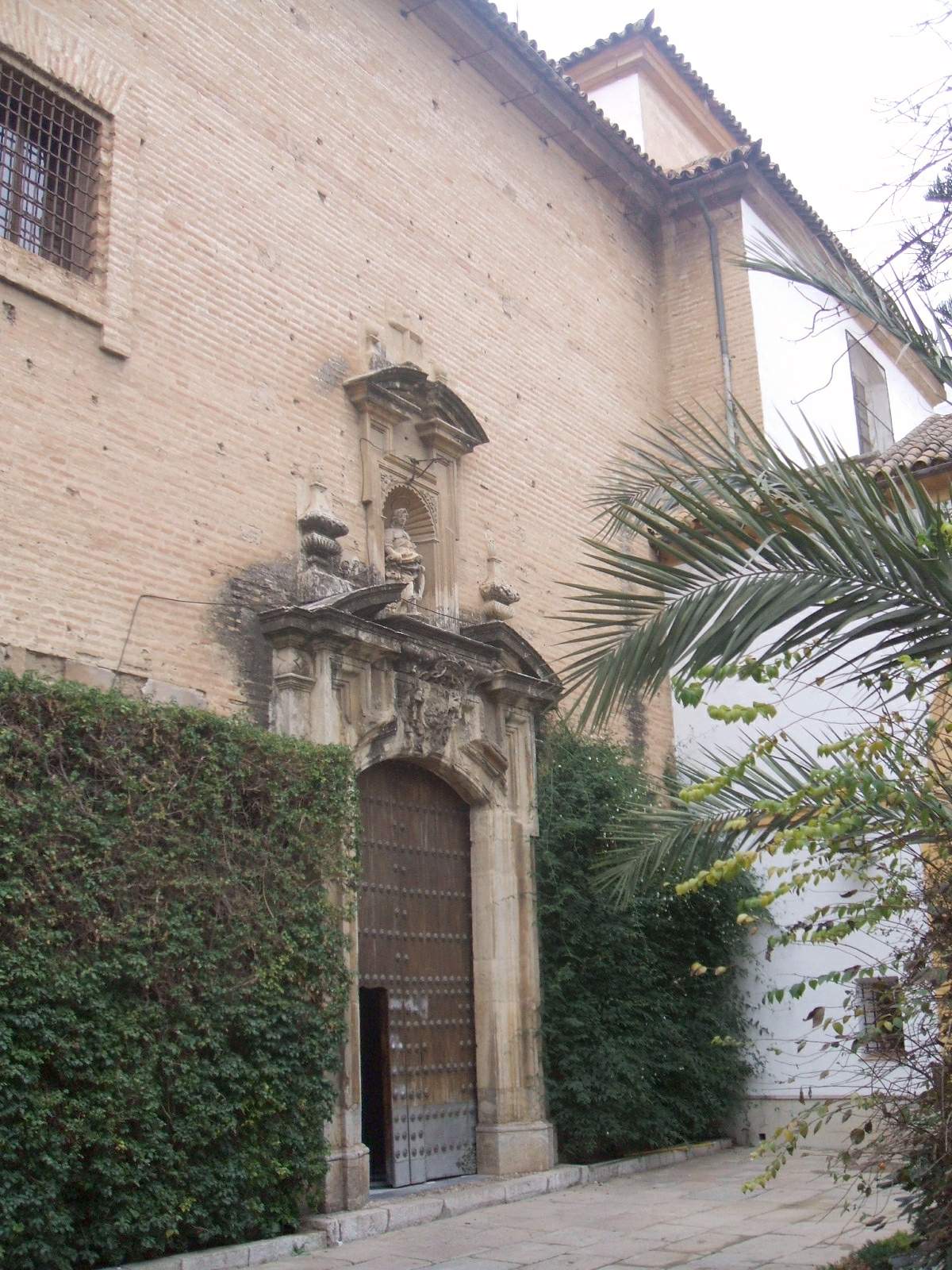
At the heart of the complex is a single-nave church covered by a ribbed Gothic vault that draws the eye straight toward the main altar. That altarpiece, finished in 1582 by Andrés de Ocampo, remains one of the church's key features. Hernán Ruiz I's façade blends late-Gothic austerity with the first hints of Renaissance style typical of Córdoba around 1500. The wider convent is arranged around eight interior courtyards plus a small garden tucked into one corner of the plot, making it one of the largest cloistered complexes in the city.
Why visit during the Patio Festival?
Since 2021, the convent's entrance courtyard has taken part in Córdoba's famous Patio Festival, recognized by UNESCO as intangible cultural heritage. It's a rare chance to step past the threshold of a place normally closed to visitors and glimpse the life of a community that has lived here uninterrupted since the 15th century. Outside festival dates, access tends to be limited to Mass times and services.
How do you get there?
The convent sits in the heart of the historic Ajerquía district, within easy walking distance of the Mezquita-Catedral and the Alcázar. Walking in from the old town is by far the most practical option — the narrow streets here aren't built for cars, and the nearest parking is along the avenues ringing the historic center. Calle Santa Marta, where the convent stands, is one of many quiet, close-knit lanes typical of this part of Córdoba.
When's the best time to come?
May is the standout month, when the Patio Festival runs and your chances of seeing inside the courtyard are highest, with temperatures still comfortable before summer heat sets in. Outside that window, it's worth checking local opening times for the conventual church, since they can shift with the community's liturgical calendar.
FAQ
Can you visit the whole convent? No — as an active enclosed convent, Santa Marta opens mainly its church and, at times, its entrance courtyard to visitors, especially during the Patio Festival.
Who designed the church façade? Hernán Ruiz I completed it in 1511, one of the leading Córdoba architects of his time, continuing work started by Gonzalo Rodríguez.
What's the difference between a beaterio and a convent? A beaterio was an informal community of devout women living without vows or a monastic rule — Santa Marta began exactly this way before a 1464 papal bull allowed its conversion into a full convent.
Is the convent a protected heritage site? Yes, it was declared a Bien de Interés Cultural (Site of Cultural Interest) in 1980, confirming the historical and architectural value of the whole complex.
Nearby places

Earn badges for the places you visit
Download NextOnTrip, discover new places and check off your trails.