About this place
The Church of San Miguel is one of eleven Fernandine churches in Córdoba, Andalusia, built on the orders of King Ferdinand III the Saint after the Christian reconquest of the city in the 13th century. It stands right in the historic centre, close to Calle Cruz Conde, and while it lives in the shadow of the famous Mosque-Cathedral, it's one of the most rewarding stops in the city for anyone interested in medieval architecture.
How do you get there?
The church sits in Córdoba's historic centre, within easy walking distance of the old town's main sights. Walking is by far the simplest option — the narrow streets of the centre aren't built for cars, so it's best to park on the edge of the pedestrian zone and continue on foot. The church is one of the stops on the popular Route of the Fernandine Churches, a self-guided trail linking all eleven churches of this type scattered across the city.
What will you see?
The building rises on the site of a former mosque, and that layered past still shows in architectural details that blend Islamic and Christian influences, most visibly in the bell tower. The overall structure reflects the transition from Romanesque to ogival Gothic style, typical of the Fernandine churches raised between the mid-13th and early 14th centuries. The façade is crowned by a distinctive rose window framed by intertwined colonnettes, one of the church's most recognisable features.
Inside, three naves supported by pillars lead to the presbytery, where an 18th-century marble altarpiece marks the baroque remodelling carried out in 1749 — a renovation that updated the decoration while leaving the medieval skeleton of the building intact. Don't skip the baptismal chapel, covered by a striking Mudéjar dome that combines geometric Islamic patterns with a Christian liturgical function.
The Church of San Miguel was declared a Historical-Artistic Monument by decree on 3 June 1931 and is today registered as an Asset of Cultural Interest (Bien de Interés Cultural), placing it among the region's most carefully protected heritage sites.
When should you visit?
Spring (March–May) and autumn (September–October) are the best times to explore Córdoba, offering milder temperatures than the scorching Andalusian summer, when the city regularly climbs past 40°C, making long walks through the historic centre uncomfortable. It's also worth checking opening hours before your visit, since the Fernandine churches in Córdoba are typically open to visitors during set hours that fit around mass times and religious services.
Frequently asked questions
What are the Fernandine churches? They're a group of eleven churches built in Córdoba on the orders of Ferdinand III the Saint between the mid-13th and early 14th centuries, following the Christian reconquest of the city. All share a similar transitional style between Romanesque and Gothic.
Can you visit the Church of San Miguel on your own? Yes, it sits in an open public square and forms part of the Route of the Fernandine Churches, which can easily be walked independently through Córdoba's historic centre.
What sets San Miguel apart from the other Fernandine churches? Mainly its façade with the rose window and intertwined columns, its baptismal chapel with the Mudéjar dome, and the fact that it was built directly on the site of a former mosque.
Is it worth combining with other Córdoba attractions? Absolutely — the church is close to the historic centre, so it's easy to pair a visit with a walk to the Mosque-Cathedral or the other Fernandine churches as part of a single day of sightseeing.
Nearby places
-
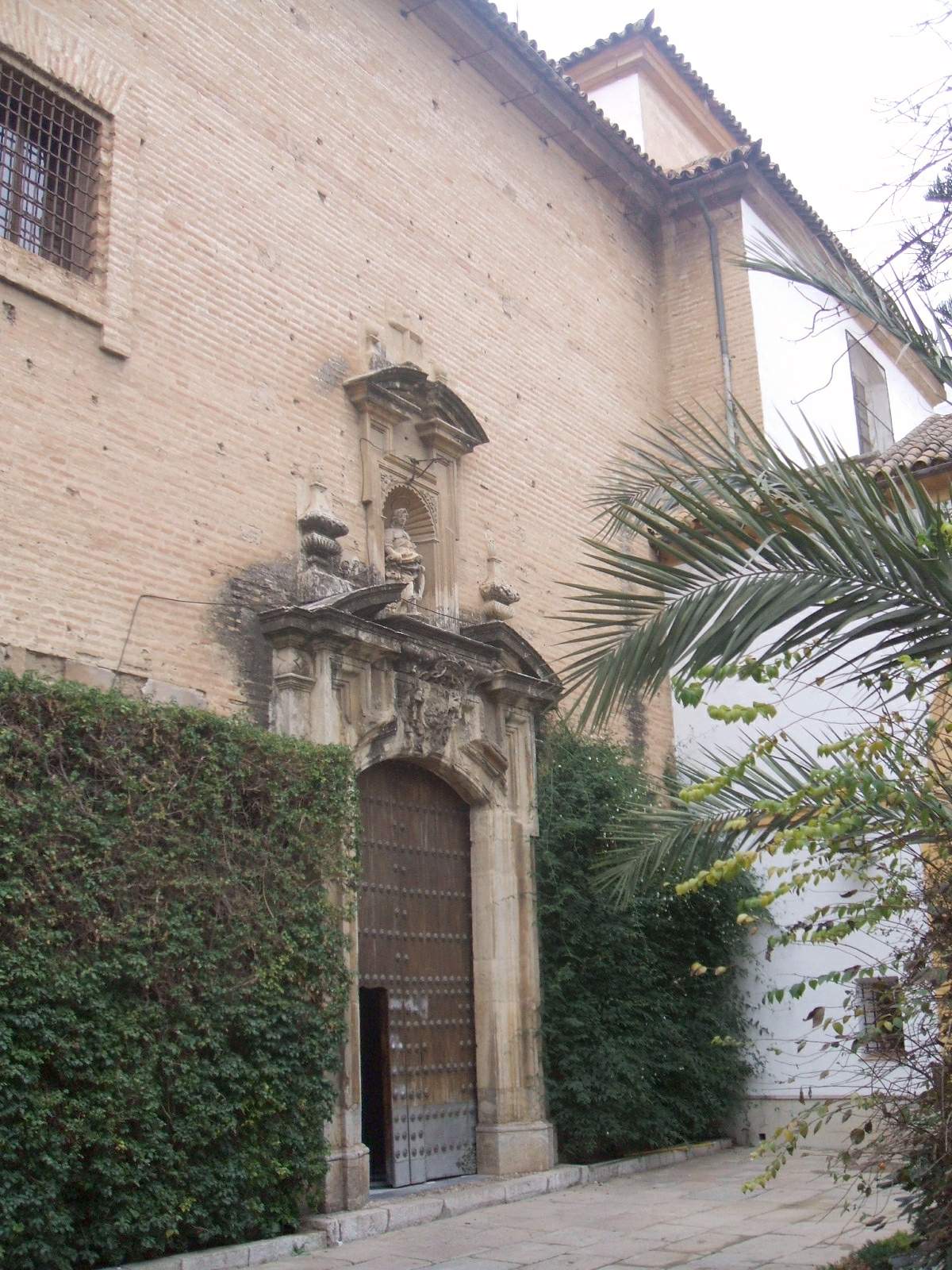
Convento de San Rafael
Kordoba
-
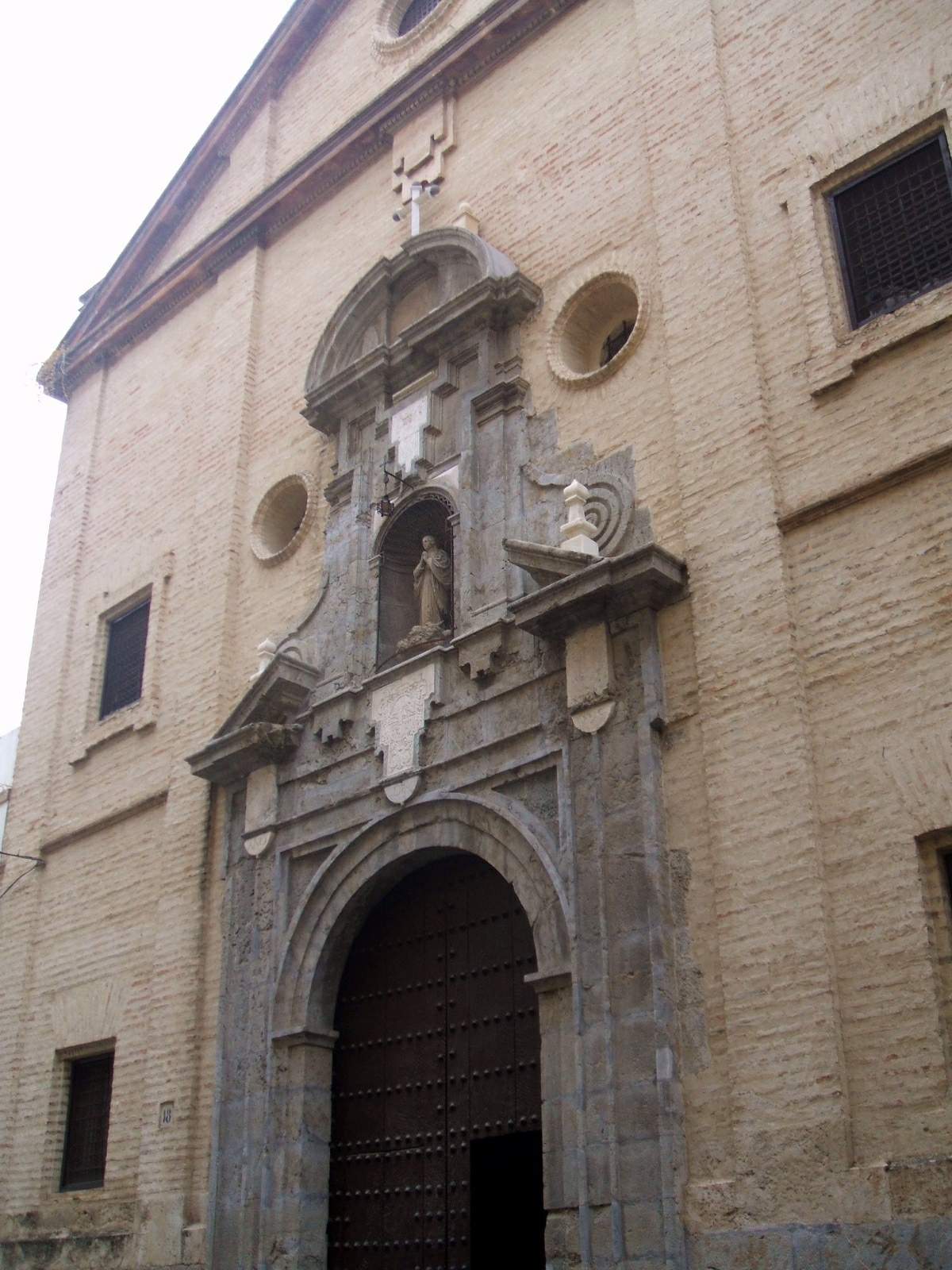
Monasterio Cisterciense de la Inmaculada Concepción
Kordoba
-

Colegio de Santa Catalina e Iglesia de San Salvador y Santo Domingo de Silos
Kordoba
-
Triunfo de San Rafael de la Plaza de la Compañía (Córdoba)
Kordoba
-
Iglesia de San Nicolás de la Villa
-
Iglesia de San Hipólito (Córdoba)
Kordoba
Earn badges for the places you visit
Download NextOnTrip, discover new places and check off your trails.