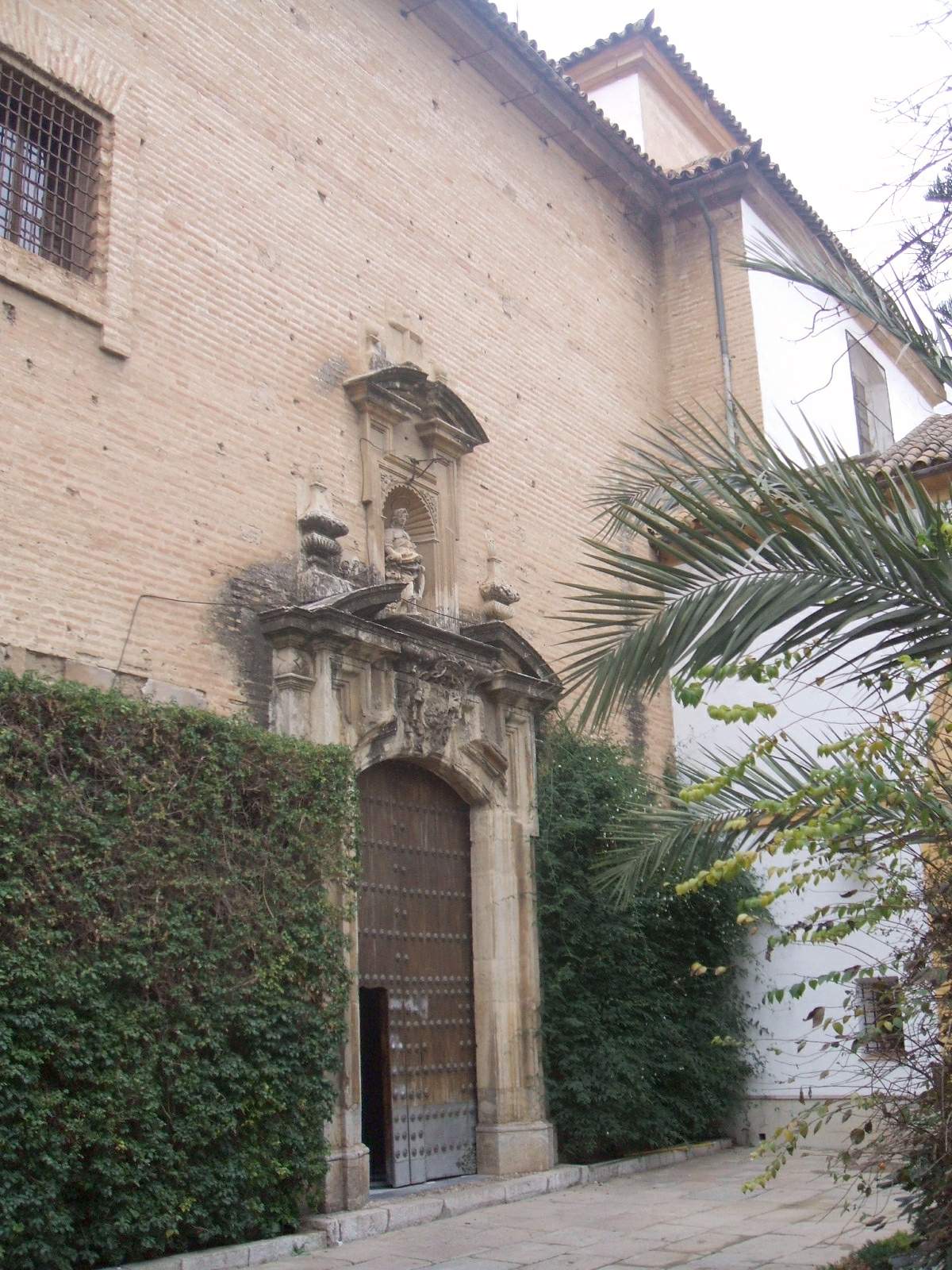
About this place
Convento de San Rafael is a convent complex in Córdoba, better known locally as Convento de las Capuchinas — a Capuchin nuns' community that has stood a short walk from the city's historic centre, on Plaza de Capuchinas, for nearly four centuries.
When was the convent founded?
The community was established on 29 June 1655. Its founder was Antonio Fernández de Córdoba Cardona y Aragón, ninth Count of Cabra and Duke of Sessa and Cabra, with the foundation approved by the Bishop of Córdoba, Antonio de Valdés Herrera. The nuns did not move into a purpose-built structure, though: they were given a noble residence dating from the 15th century that had belonged to the Marquises of Sessa, a building roughly two hundred years older than the convent's own founding. This adaptation of a secular palace into an enclosed convent explains why the interior mixes religious furnishing with traces of an aristocratic household.
What survives from the original mansion?
The most valuable surviving feature is the cloister, which still holds an imposing Mudéjar doorway together with capitals of Roman, Visigothic and Islamic origin — a combination typical of Córdoba, where older architectural fragments were routinely reused across different periods of the city's history. In the refectory, a Mudéjar coffered ceiling and plasterwork decoration stand out, and the coats of arms of the family that donated the palace are still visible on the ceilings and walls. The convent church, dedicated to San Rafael, dates only from the 18th century and is considerably simpler: a single nave covered by a barrel vault, much younger than the medieval core of the complex around it.
Is the convent still an active religious community?
Yes — Convento de San Rafael remains a living contemplative community inhabited by Capuchin nuns, which is why residents of Córdoba refer to it as "Capuchinas" far more often than by its formal name. Because it is an enclosed order, visits in practice are limited to the cloister, which is sometimes open to the public in the mornings, while the nuns' living quarters remain closed to outsiders. The complex stands at Plaza de Capuchinas 3, with an additional entrance from Torres Cabrera street, in a quiet part of the city only a few minutes' walk from Córdoba's historic centre.
Why is it worth noticing while exploring the city?
Convento de San Rafael offers a different side of Córdoba than the heavily visited Mezquita-Catedral: a place where historical layers sit literally on top of one another — Roman and Visigothic fragments reused in the capitals, Islamic influence in the stonework, a 15th-century aristocratic residence, and finally a 17th-century religious foundation crowned by an 18th-century church. For visitors interested in Mudéjar architecture, it is one of the city's lesser-known yet genuinely authentic examples of the style, without the crowds found at the main tourist sites. The name of the square where it stands has become a fixed reference point for this part of Córdoba's city centre.
Frequently Asked Questions
What is the difference between Convento de San Rafael and Convento de las Capuchinas? They are the same institution — San Rafael is the convent's official dedication, while Capuchinas is the popular name derived from the Capuchin nuns who live there.
Who founded the convent? It was founded by Antonio Fernández de Córdoba Cardona y Aragón, ninth Count of Cabra, with approval from the Bishop of Córdoba, Antonio de Valdés Herrera, in 1655.
Is the convent building older than the religious foundation itself? Yes, the convent occupies a 15th-century residence that belonged to the Marquises of Sessa, a building roughly two hundred years older than the convent's founding in 1655.
Can visitors go inside the convent? Because it is an enclosed community, only the cloister is sometimes open to the public, usually in the morning, while the nuns' living quarters remain closed to outside visitors.
Nearby places
-

church of San Miguel
Kordoba
-
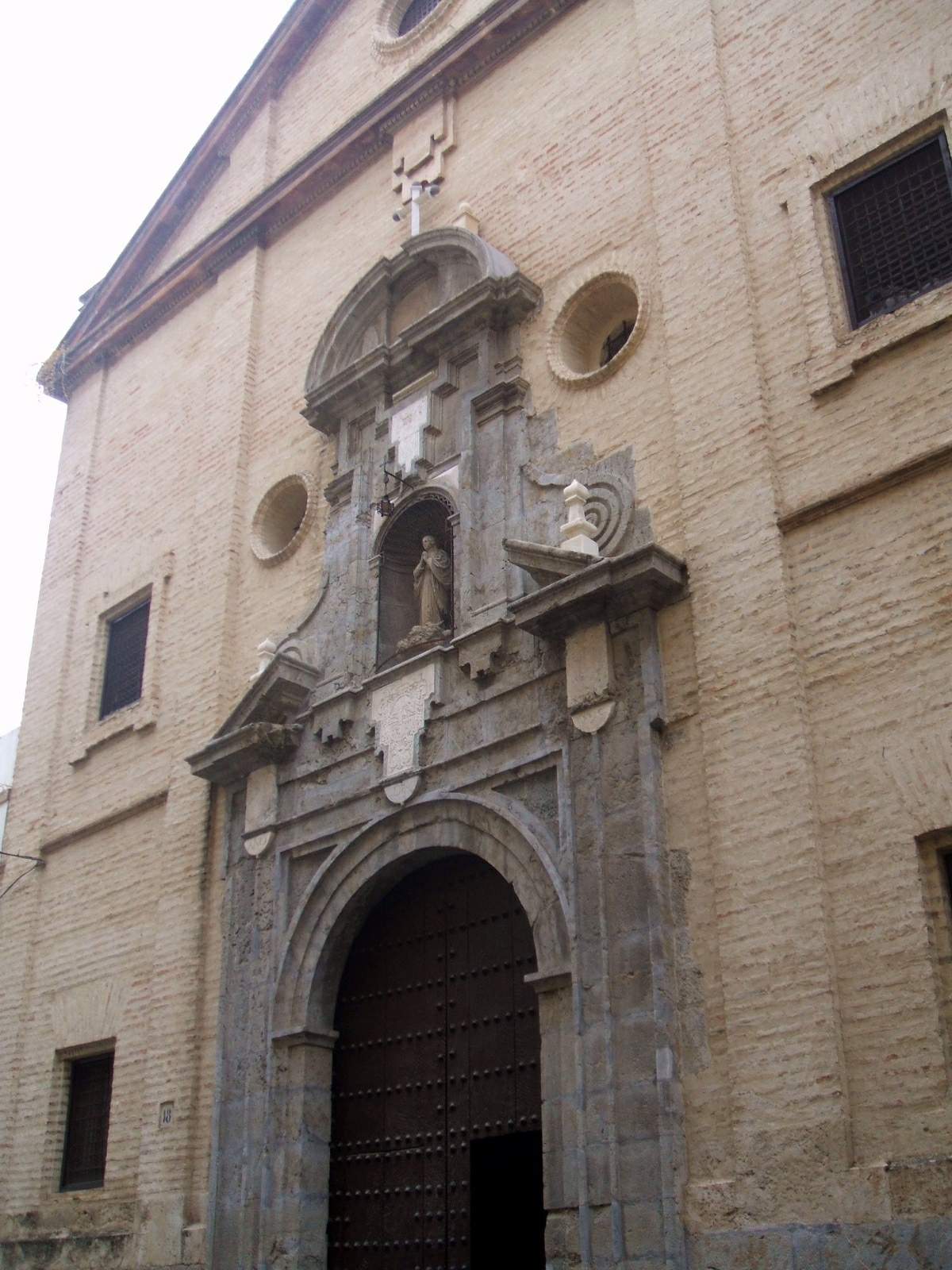
Monasterio Cisterciense de la Inmaculada Concepción
Kordoba
-
Colegio de Santa Catalina e Iglesia de San Salvador y Santo Domingo de Silos
Kordoba
-
Triunfo de San Rafael de la Plaza de la Compañía (Córdoba)
Kordoba
-
Iglesia de San Pablo
Kordoba
-
Monasterio de Santa Marta
Kordoba
Earn badges for the places you visit
Download NextOnTrip, discover new places and check off your trails.