About this place
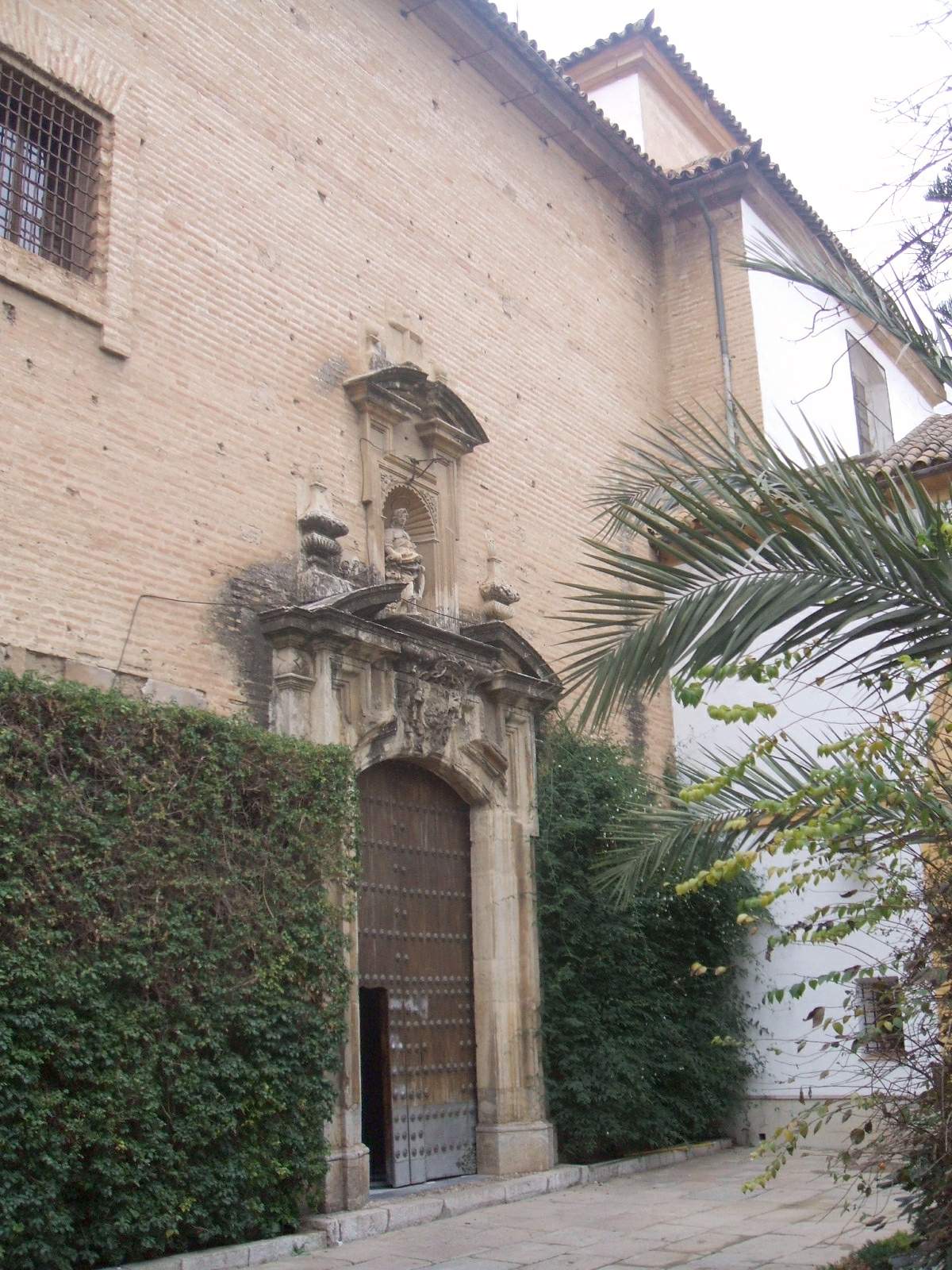
Iglesia de San Hipólito (Royal Collegiate Church of San Hipólito) in Córdoba is a fourteenth-century Gothic church built specifically to hold the tombs of two Castilian kings. Its modest facade, squeezed between ordinary city buildings, gives little away — inside is one of the few surviving pieces of Gothic architecture in Córdoba, along with the winding story of two royal bodies that spent centuries being moved between resting places.
Why was the church built as a royal burial site?
King Alfonso XI commissioned the building after his victory at the Battle of Salado in 1340, intending it both as an offering of thanks and as a burial place for himself and his father, Ferdinand IV. Construction began in 1343, and the complex was originally conceived as a monastery. Just four years later, in 1347, Pope Clement VI raised its status to that of a royal collegiate church — an unusual distinction for a building of this size, and one that shaped how the site was regarded for centuries afterward.
What survives from the original Gothic construction?
The oldest surviving section is the head of the church: an octagonal apse preceded by two bays, covered by a ribbed vault dating from around 1350. The ribs carry a dogtooth-style decorative pattern associated with workshops working in a northern Gothic idiom close to that of Burgos. Everything beyond that original chancel was rebuilt centuries later — the rest of the building took its current form in the early eighteenth century, largely between 1729 and 1736, in the Baroque style fashionable at the time. The result is a building where a Gothic sanctuary sits attached to a Baroque nave, a combination that is unusually easy to read architecturally, since the two phases were never blended into one another.
Where exactly are the kings buried?
The tombs of Ferdinand IV and Alfonso XI stand in the presbytery, on opposite sides of the space: Ferdinand on the Epistle side, his son Alfonso on the Gospel side. Their remains, however, did not stay put for long after the original burial. In 1371 both bodies were moved to the Royal Chapel of the Mosque-Cathedral of Córdoba, where they remained for nearly four centuries. It was not until 8 August 1736 that they were solemnly returned to the collegiate church of San Hipólito. For more than a century after that, the remains were kept in wooden chests set beneath an arch to the sides of the choir, until 30 October 1846, when they were finally placed in two urns of red-and-black jasper — the urns still housing them today.
What is the building used for now?
The church lost its collegiate status in 1852. Toward the end of the nineteenth century, the Society of Jesus took over responsibility for the building, and the Jesuits continue to administer it today. Despite the change in formal rank, San Hipólito has kept its role as an active place of worship and remains one of the clearest physical traces of Castilian royal history still standing in Córdoba.
Frequently Asked Questions
Is Iglesia de San Hipólito the same place as the Real Colegiata de San Hipólito? Yes. Real Colegiata de San Hipólito is the church's full historical name, granted when it was elevated to royal collegiate status in 1347, while Iglesia de San Hipólito is the shorter name commonly used today.
Which part of the church is Gothic and which is Baroque? The Gothic section is the head of the church — the octagonal apse and ribbed-vault chancel dating from around 1350. The rest of the building, including the nave, was rebuilt in the Baroque style between 1729 and 1736.
Where are the tombs of Ferdinand IV and Alfonso XI located? Both tombs are in the presbytery, on either side of the altar — Ferdinand IV on the Epistle side and Alfonso XI on the Gospel side.
Are the kings' remains still inside the church? Yes. Since 1846 they have rested in two jasper urns, after centuries of being moved back and forth between the collegiate church and the Royal Chapel of Córdoba's Mosque-Cathedral.
Nearby places

Earn badges for the places you visit
Download NextOnTrip, discover new places and check off your trails.