About this place
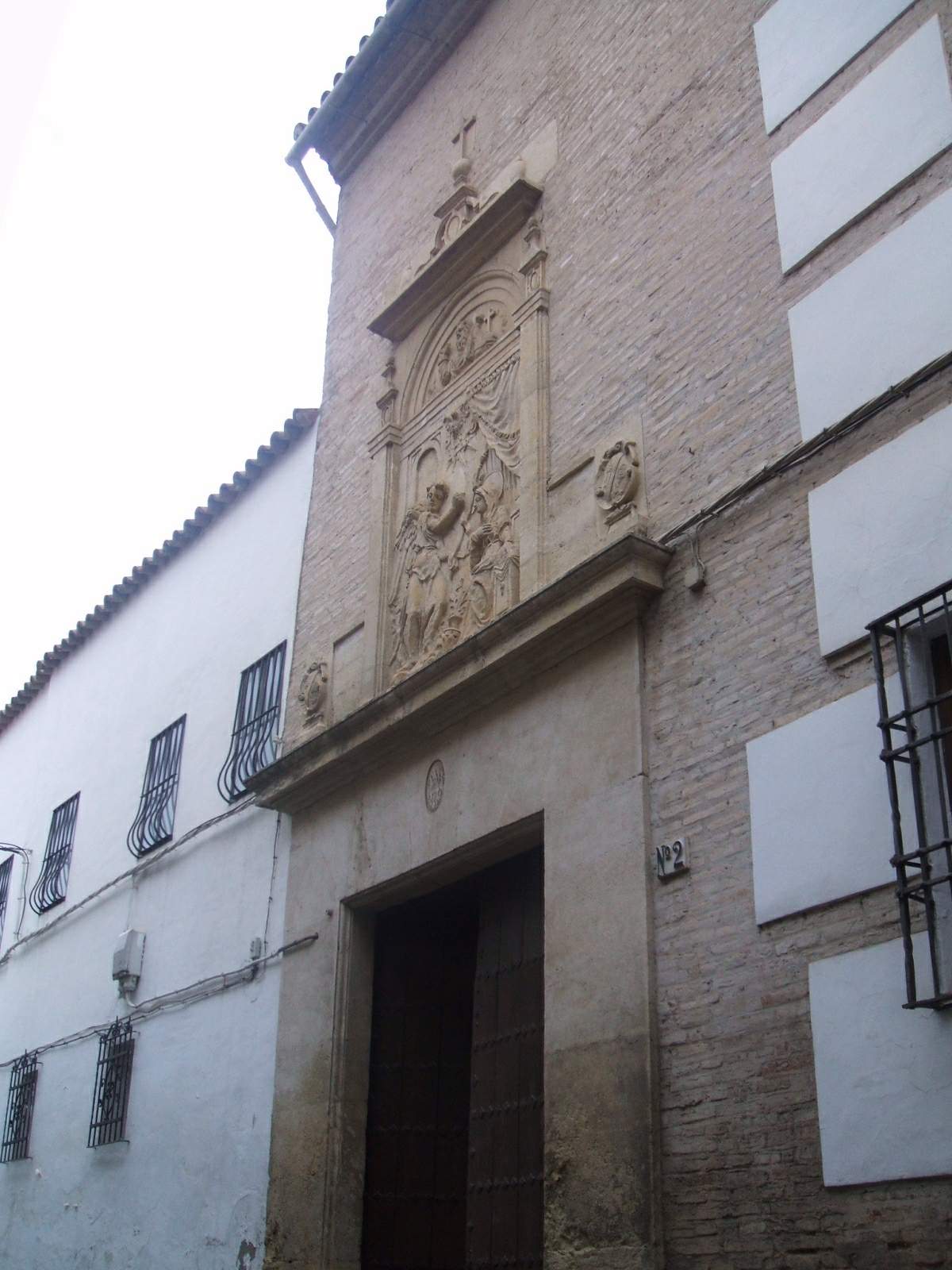
Iglesia de San Juan y Todos Los Santos is a Catholic church in Córdoba, standing on Plaza de la Trinidad in the heart of the old town. It brings together two very different eras in one spot: a Baroque church body from the early 18th century and a much older minaret, a surviving fragment of a mosque built a thousand years earlier. That mix makes the site worth a stop both for visitors interested in religious architecture and for those tracking down remnants of Islamic Córdoba beyond the famous Mezquita.
Where does this church come from?
Today's parish was formed by merging three older religious institutions: the Convent of the Trinity, founded in the 13th century under King Ferdinand III of Castile, and two parishes — Omnium Sanctorum and San Juan de los Caballeros. The building visible today rose on the site of the old convent in Baroque style, with construction starting in the closing years of the 17th century and finishing in 1705. The combined dedication of three traditions in a single name explains the somewhat unusual title, "San Juan y Todos los Santos."
What is there to see on site?
The real draw isn't the Baroque church itself but the minaret standing nearby on Plaza de San Juan — the tower of a former neighborhood mosque. It was likely built in the mid-9th or early 10th century, during the emirate and caliphate period of Córdoba. According to a surviving inscription, construction was commissioned by the cadi Umar ben Hadabas under the rule of Emir Abd al-Rahman II. The minaret is one of only four such towers in Spain listed as a Bien de Interés Cultural (Asset of Cultural Interest), making it a rare, well-preserved piece of pre-Reconquista Islamic architecture still standing within the fabric of a Christian city.
How do you get there?
The church sits right in the historic core of Córdoba, within walking distance of the city's major landmarks, including the Mosque-Cathedral. The easiest way to reach it is on foot from the center — the area around Plaza de la Trinidad and Plaza de San Juan is a dense network of narrow old-town streets, so it's worth combining both squares with a visit to the nearby Judería (Jewish quarter) in the same walk. Driving into the very center is impractical due to restricted traffic zones, so parking on the outskirts and continuing on foot works better.
When is the best time to visit?
Córdoba summers get intensely hot, so spring or autumn make for more comfortable exploring around the church and minaret, with milder temperatures and softer light that brings out the detail on the stone tower. Morning hours also help avoid crowds, which in high season concentrate mainly around the Mezquita, leaving this lesser-known corner of the city considerably quieter.
Frequently asked questions
What's the difference between the church and the minaret? The church is a Baroque building from the early 18th century, created by merging three parishes. The minaret is a much older, separate tower from Córdoba's caliphate period, standing nearby on Plaza de San Juan.
Is there an entrance fee? This is an active parish, so it's worth checking current access rules and any fees for visiting the interior directly before your trip, since they can depend on service hours.
Is it worth combining with a visit to the Mezquita? Yes — the two sites are only a few minutes' walk apart, and the minaret adds historical context about how many neighborhood mosques once stood across medieval Córdoba.
What makes the minaret special? It's one of just four minarets in Spain listed as a Cultural Interest Asset, making it a rare, well-preserved example of architecture from the emirate and caliphate period.
Nearby places

Earn badges for the places you visit
Download NextOnTrip, discover new places and check off your trails.