About this place
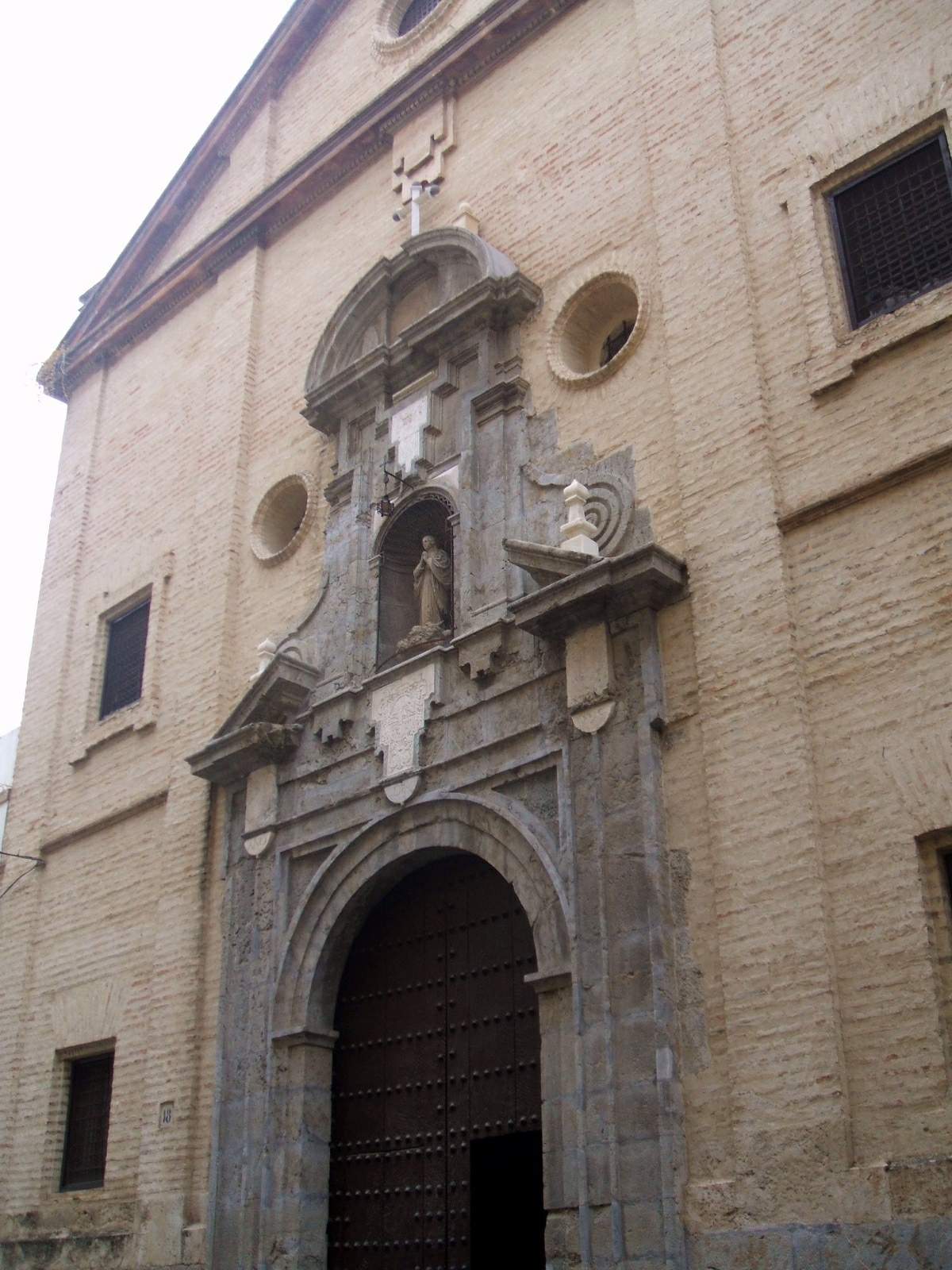
Iglesia de San Andrés Apóstol is one of the oldest parish churches in Córdoba, part of the so-called Fernandine churches — temples raised after the Christian reconquest of the city in the 13th century. It sits in the San Andrés-Santa Marina quarter, away from the busiest tourist routes, making it a good stop for travelers who want to see a quieter side of Córdoba's historic center.
How do you get there?
The church stands just north of the old town, a short walk of about fifteen minutes from the Mosque-Cathedral. The easiest way in is on foot through the narrow streets of the historic quarter, or by city bike, since the area is flat and well signposted. Street parking nearby is limited, so it's more practical to leave a car closer to the center and cover the last stretch on foot.
What's the story behind the building?
The earliest records of the church date to 1246, barely a decade after Ferdinand III took Córdoba from Muslim rule. By 1277 the parish already had six clergy assigned to it, a sign of its standing within the city's religious structure at the time. Notably, the church was built directly over the remains of the older Visigothic Basilica of San Zoilo, which stood beside the Roman Via Augusta, one of the main roads linking the cities of the province of Baetica. That earlier site held the venerated remains of a Roman-era martyr, making it a place of pilgrimage long before the Christian conquerors arrived.
The following centuries brought major changes. In the late 16th century, architect Hernán Ruiz II added a new bell tower modeled on the one at the nearby church of San Lorenzo, one of the most distinctive features of Córdoba's religious architecture from that era. The biggest transformation came in the first half of the 18th century, when the medieval church was absorbed into the transept of a larger new building and its orientation was switched from east-west to north-south. The work was carried out by Juan and Luis de Aguilar, master builders of the Córdoba diocese, commissioned by Bishop Marcelino Siuri, and was completed in 1755.
What will you actually see?
San Andrés blends Romanesque, Gothic, and Mudéjar elements in a layout typical of Córdoba's parish churches: originally three naves without a transept, separated by arcades resting on pillars with columns, stone walls, timber roofing, and vaulted apses. The 18th-century Baroque extension gave the interior a more monumental, unified look that contrasts with the plainer medieval core. Hernán Ruiz II's bell tower remains one of the most recognizable parts of the exterior and a useful landmark when navigating the surrounding streets.
When's the best time to visit?
Spring (March to May) and early autumn (October) are the most comfortable seasons for exploring Córdoba, with mild temperatures and good light for photographing the stone façade and tower. Summers in the city get very hot, so it's worth timing a walk through this part of the old town for the morning hours. The church still functions as an active parish, so visits are best planned around opening hours outside of mass times.
Frequently asked questions
What are Córdoba's "Fernandine churches"? They're a group of temples built in the city after its conquest by Ferdinand III of Castile in the 13th century, often on the site of earlier mosques or Visigothic buildings. San Andrés is one of the oldest and best-documented examples of the group.
Does the church stand on an earlier site? Yes — it was built over the remains of the Visigothic Basilica of San Zoilo, a site venerated even before the Islamic period and the later Christian reconquest.
Who designed the church's tower? The tower was built in the late 16th century by Hernán Ruiz II, following the design of the tower at the church of San Lorenzo in Córdoba.
Is the building a protected monument? Yes, on April 17, 1985, the church was declared a Bien de Interés Cultural (a cultural asset of monument status).
Nearby places

Earn badges for the places you visit
Download NextOnTrip, discover new places and check off your trails.