About this place
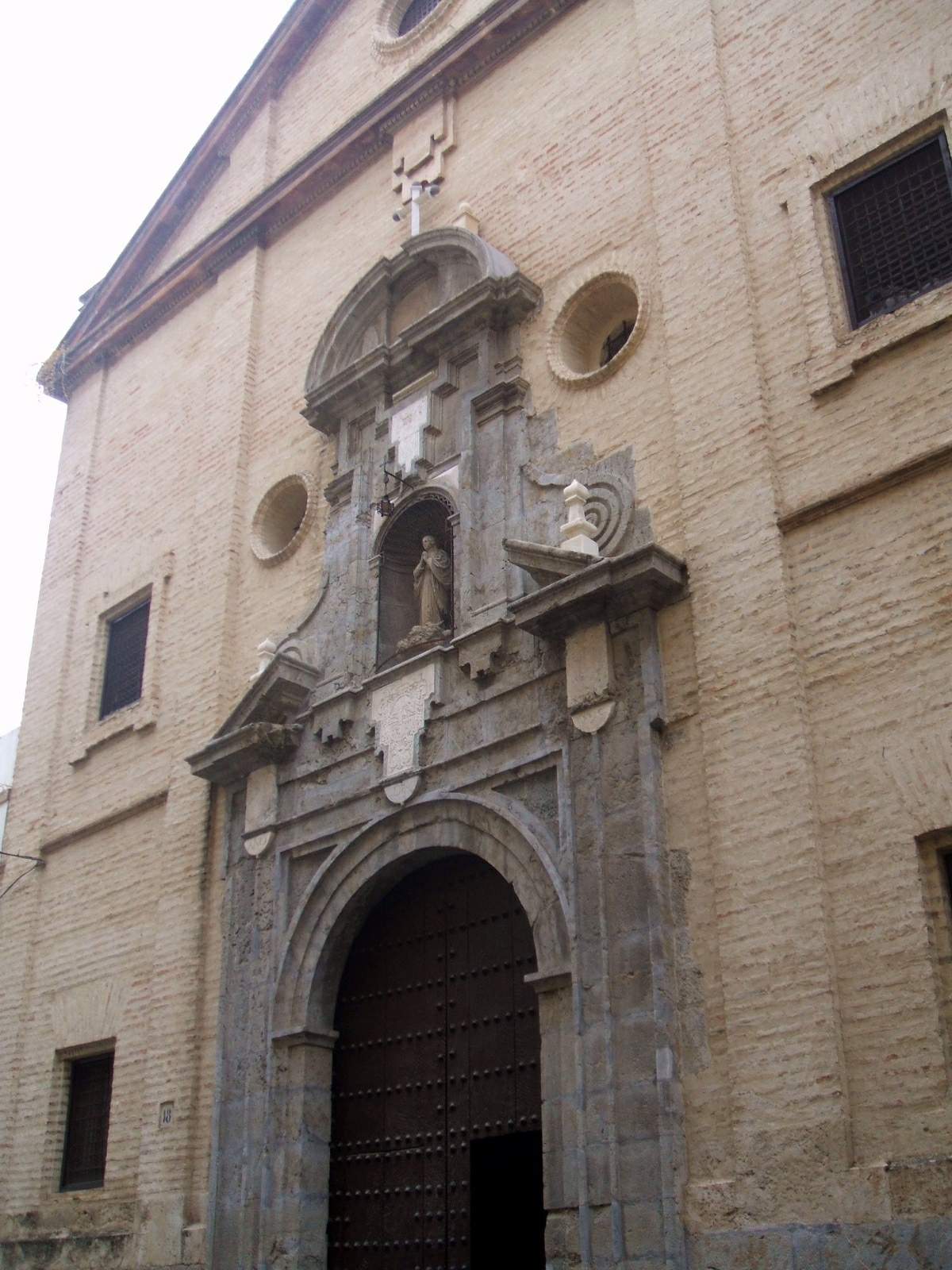
Iglesia de San Agustín is the church of the former Augustinian convent in Córdoba, standing in the historic Santa Marina neighborhood. It belongs to the group of so-called Fernandine churches, built in the city following the Christian conquest of the 13th century, though the current building owes its final form to a 17th-century rebuild.
How do you get there?
The church sits in the northeastern part of Córdoba's old town, in the Santa Marina district, a short walk of about fifteen minutes from the Mezquita and the historic center. The area has narrow streets and a dense cluster of heritage houses, so walking or cycling is the most practical way to reach it, since car access in the centre is restricted. Local buses also serve this part of the city for visitors coming from further out.
What will you see?
The site's story begins in the early 14th century. Augustinian friars first settled outside the city walls, on the Campo de San Julián by the Guadalquivir river, but the exposed location prompted a request to move inside the walls. Pope Clement V approved the transfer in 1313, and by 1328 the friars had permanently established themselves in the Santa Marina neighborhood, where they built the church and convent. In 1366, King Alfonso XI granted the community plots of land for building and rights to part of the water from the Fuensanta spring, allowing the convent complex to grow.
The original Gothic building was damaged by a fire in the 16th century. The reconstruction, carried out between 1617 and 1623, gave the church its present appearance, blending Gothic elements with Renaissance and plateresque forms typical of Spanish architecture of that era. Inside, the church follows a three-nave layout closed by polygonal apses and covered with ribbed vaulting. The central nave is topped by an elliptical barrel vault crossed by smaller transverse vaults that form lunettes — a detail worth pausing for, looking upward from the entrance toward the chancel.
Between the 14th and 18th centuries, the San Agustín convent was one of Córdoba's more significant centers of religious and cultural life, before the 19th-century secularization of church property reshaped the fate of communities like this one.
When should you visit?
Córdoba can get extremely hot in summer, so spring (March–May) and autumn (September–November) are the best seasons for exploring Santa Marina and the surrounding heritage sites, when temperatures are far more comfortable for walking. Morning hours help you avoid the crowds in the city centre and take in the church's surroundings in a quieter setting.
Frequently asked questions
Can you visit the inside of the church? The building still functions as a place of worship, and access to the interior depends on service times and the current opening schedule — it's worth checking locally or with tourist information before your visit.
What are Córdoba's "Fernandine churches"? This is the name given to a group of Córdoba churches built after the city's conquest by Castile in the 13th century, in the era associated with King Ferdinand III. Iglesia de San Agustín belongs to this tradition, even though its current form results from the later 17th-century rebuilding.
Are there other sights nearby? The Santa Marina neighborhood and its surrounding old-town streets hold numerous examples of Córdoba's historic architecture, and the main monuments of the centre, including the Mezquita, are within relatively easy reach.
How long does a visit take? Seeing the building from outside and partly inside takes roughly 20–30 minutes, but it's worth setting aside extra time to walk through the Santa Marina district itself.
Nearby places

Earn badges for the places you visit
Download NextOnTrip, discover new places and check off your trails.