About this place
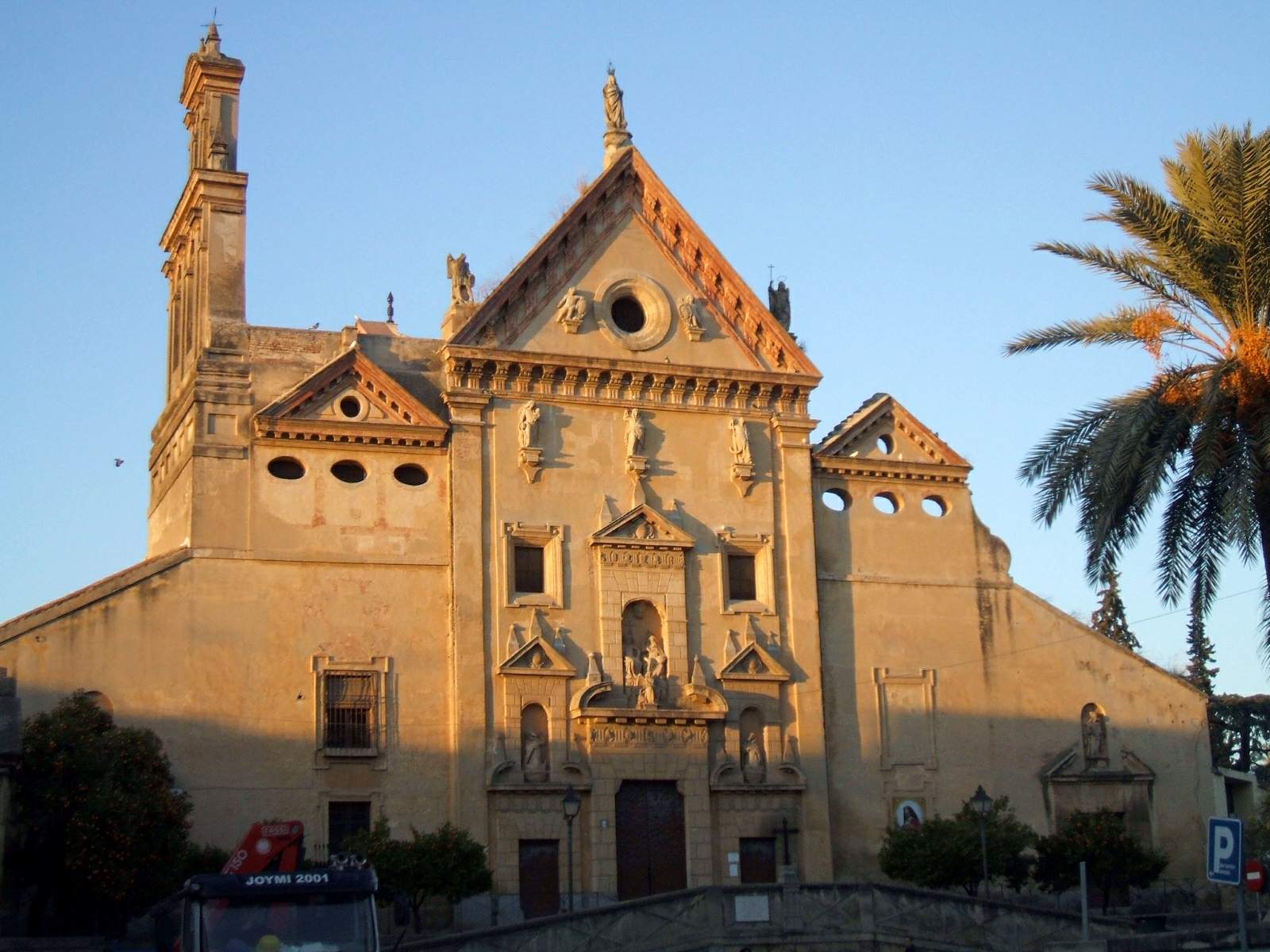
Iglesia de San Lorenzo Mártir in Córdoba stands among the city's best-preserved Fernandine churches, the wave of temples raised after the Christian conquest of the 13th century. The building rose over the former mosque of al-Mugira, and its tower still hides an older Islamic structure inside its base.
What is the history behind the church?
Construction dates to the second half of the 13th century, most likely between 1244 and 1300, under the reign of Ferdinand III the Saint, when Córdoba was filling its urban fabric with new churches built on the foundations of former mosques. The building follows the Gothic-Mudéjar style, blending Christian architectural forms with construction techniques and decorative details inherited from the city's Muslim builders.
The church kept evolving over the following centuries. During the 14th century it gained the Chapel of the Incarnation, along with the main portal and the rose window that still define its facade today. The older, solid Arab minaret was later reworked during the Renaissance by Hernán Ruiz el Joven, who turned it into a bell tower — a structure architects consider one of the precedents that later inspired the Giralda in Seville.
Over the centuries the interior underwent repeated changes, at one point acquiring Baroque vaulting. It was only the major restoration of 1963 that brought back the church's original Gothic-Mudéjar appearance: the Baroque additions were removed, a small rose window that had been hidden was uncovered, and 14th-century Gothic murals were recovered on the walls.
What will you see there?
The most distinctive feature of San Lorenzo is the three-arched portico leading to the main entrance, with the tower rising on its left and a large rose window anchoring the center of the composition. This arrangement sets the church apart from Córdoba's other Fernandine temples and is one of the main reasons it's worth a stop.
Inside, the layout follows the pattern typical of Andalusian churches of the period: a rectangular plan with three naves, no transept, and an apse-shaped chancel. Once inside, look for the medieval wall paintings uncovered during the 1960s restoration work — one of the few surviving elements that hint at how the interior looked before later remodeling.
From the outside, it's worth walking around the building to study the tower: its lower section is still a fragment of the original Islamic minaret, with Renaissance-era stages built on top of it.
How do you get there?
The church sits in Córdoba's historic center, within the old town, an easy walk from most of the city's main sights, including the Mosque-Cathedral. Walking or cycling is the most practical way to reach it — the old town's narrow streets rarely allow easy car access, and the surrounding area carries the traffic restrictions typical of Andalusian city centers.
When is the best time to visit?
Weekday mornings tend to be quietest, both inside the church and along the surrounding streets. Córdoba summers run very hot, so an early visit is worth planning for that season. Spring and autumn bring milder weather, better suited to longer walks through the Fernandine churches district.
Frequently asked questions
Is San Lorenzo a typical Fernandine church? Yes. It was built during the period when Córdoba's network of Fernandine churches went up after the Christian conquest, on the site of a former mosque.
What stands out most in the church's architecture? The three-arched portico crowned by a central rose window, together with a tower whose lower section still preserves the structure of an Islamic minaret.
Has the interior kept its original decoration? Partly. The 1963 restoration removed later Baroque vaulting and revealed medieval wall paintings along with a smaller, previously hidden rose window.
Is the tower linked to any other famous landmark? Yes. The minaret reworked by Hernán Ruiz el Joven is considered one of the architectural precedents behind the later Giralda in Seville.
Nearby places

Earn badges for the places you visit
Download NextOnTrip, discover new places and check off your trails.