- Mines
Groeve De Coolen
About this place
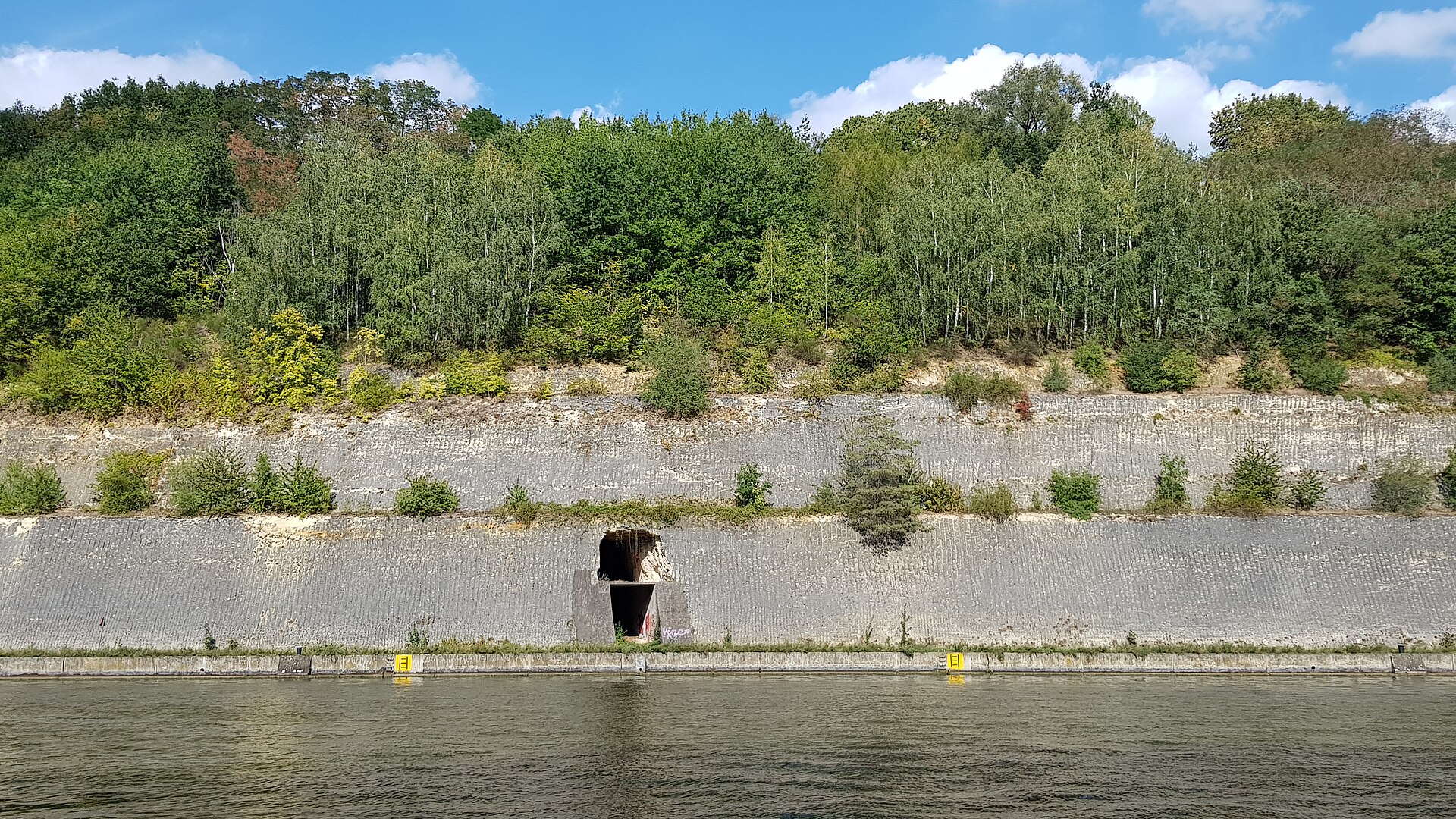
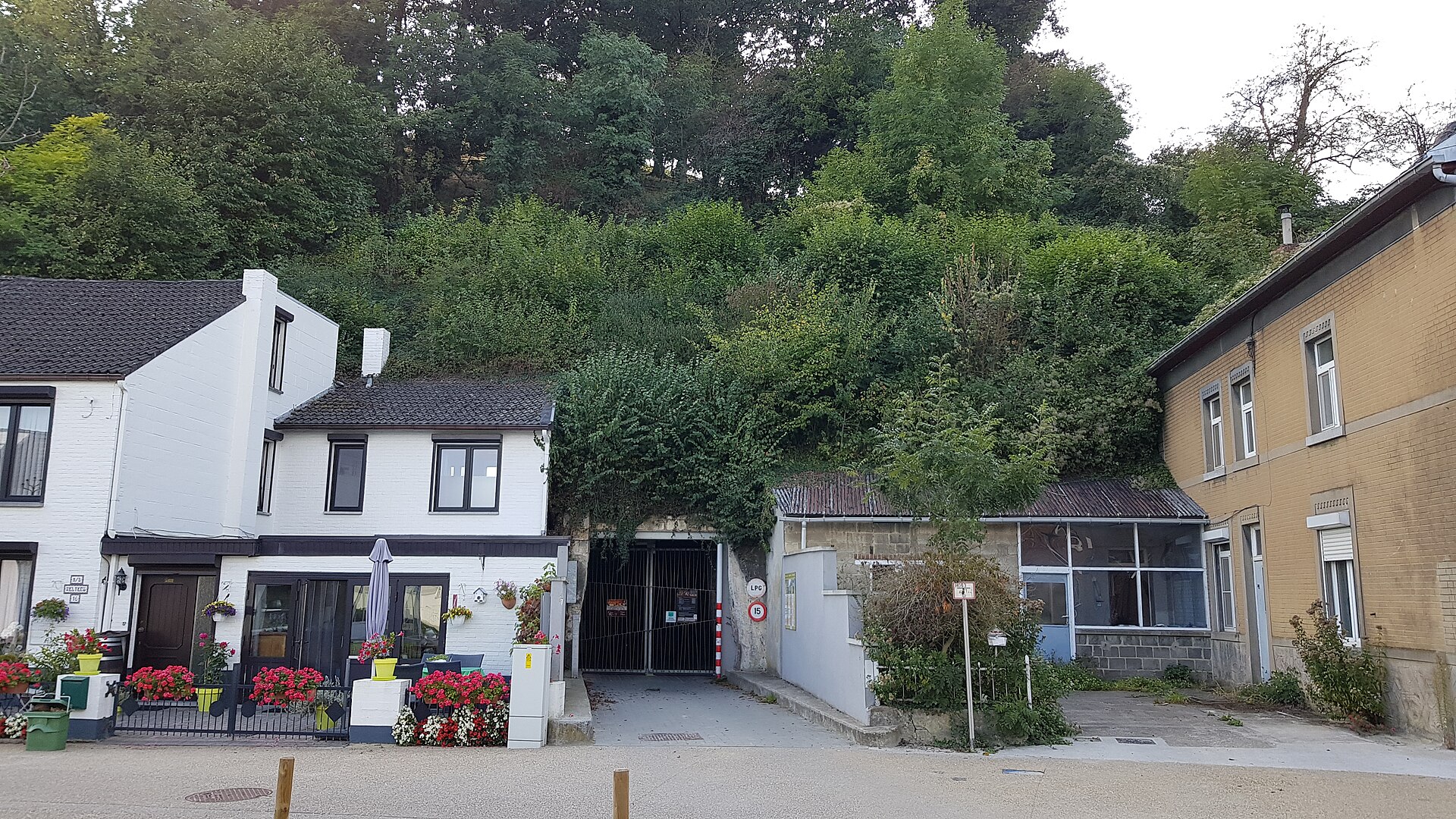
Groeve De Coolen is an underground marl quarry in the municipality of Riemst, in the Belgian province of Limburg, straddling the boundary between two of its sub-villages, Millen and Val-Meer. A small slope forest grows above the extensive tunnel network, and the site's name recalls the old pits from which the stone was once dug.
How far back does the quarrying go?
Evidence suggests marl extraction here may date to Roman times: in 1868, a Roman-era burial structure built from marl blocks was uncovered just 150 metres from today's entrance. The first written record of the quarry dates to 1286, and by 1565 it is documented as a source of the blocks used to build the bell tower of the church in Munsterbilzen. During the 17th and 18th centuries the site was known locally as "Fallerkuijlen." Extraction was mostly sporadic over the centuries, though it was carried out systematically between 1700 and 1800.
What happened to the tunnels after mining stopped?
Once marl extraction ended, the underground galleries found a second life: from 1956 to the 1980s they were used for mushroom cultivation, taking advantage of the constant temperature and humidity underground. In 1988 the site was acquired by Limburgs Landschap, the nature conservation organisation that still manages it today as a protected area under the EU Habitats Directive.
What do the tunnels contain?
The tunnel system stretches for roughly 1 kilometre, and fossils have been found within its passages. Inscriptions and carvings left on the walls by generations of miners and visitors form a rough timeline of their own: about 25 percent date from the 1800s, and 75 percent from the 1900s.
Which animals live here?
The underground galleries of De Coolen now serve primarily as a bat hibernation site. Six species shelter here through the winter: the noctule, Daubenton's bat, whiskered bat, pond bat, Bechstein's bat, and Natterer's bat. The tunnels are also home to the stone marten, nutcracker, hazel dormouse, and badger, while cave spiders inhabit the side passages, adapted to the constant dark and damp. The surrounding farmland, which was subdivided into smaller plots in the 1970s, still supports quail, corn bunting, and barn owl.
Can visitors go inside?
The tunnels are closed to the public, a necessary measure to avoid disturbing the hibernating bats and to protect the fragile cave ecosystem. The surrounding landscape can still be explored on foot or by bike: a signposted cycling route runs through Val-Meer and around De Coolen, giving visitors a view of the old quarry's setting without entering the galleries themselves.
Frequently asked questions
Where exactly is Groeve De Coolen located? On the boundary between the sub-villages of Millen and Val-Meer, in the municipality of Riemst, Belgian Limburg.
Can you enter the tunnels? No — the underground galleries are closed to protect the bats that hibernate there.
Who manages the site? Limburgs Landschap vzw, which acquired the area in 1988.
How long is the tunnel network? About 1 kilometre.
Nearby places

Earn badges for the places you visit
Download NextOnTrip, discover new places and check off your trails.