- Mines
Caestert quarry
About this place
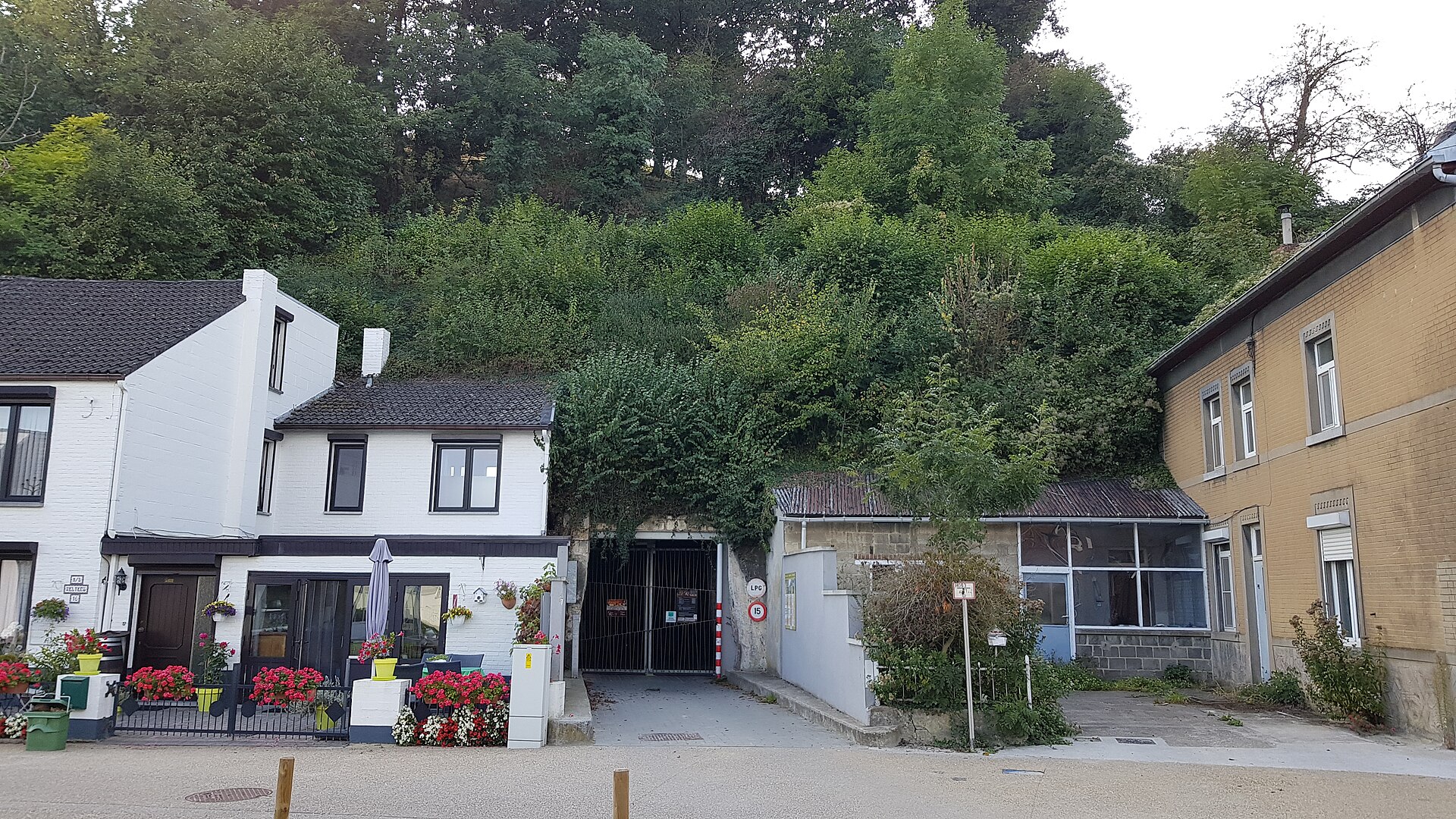
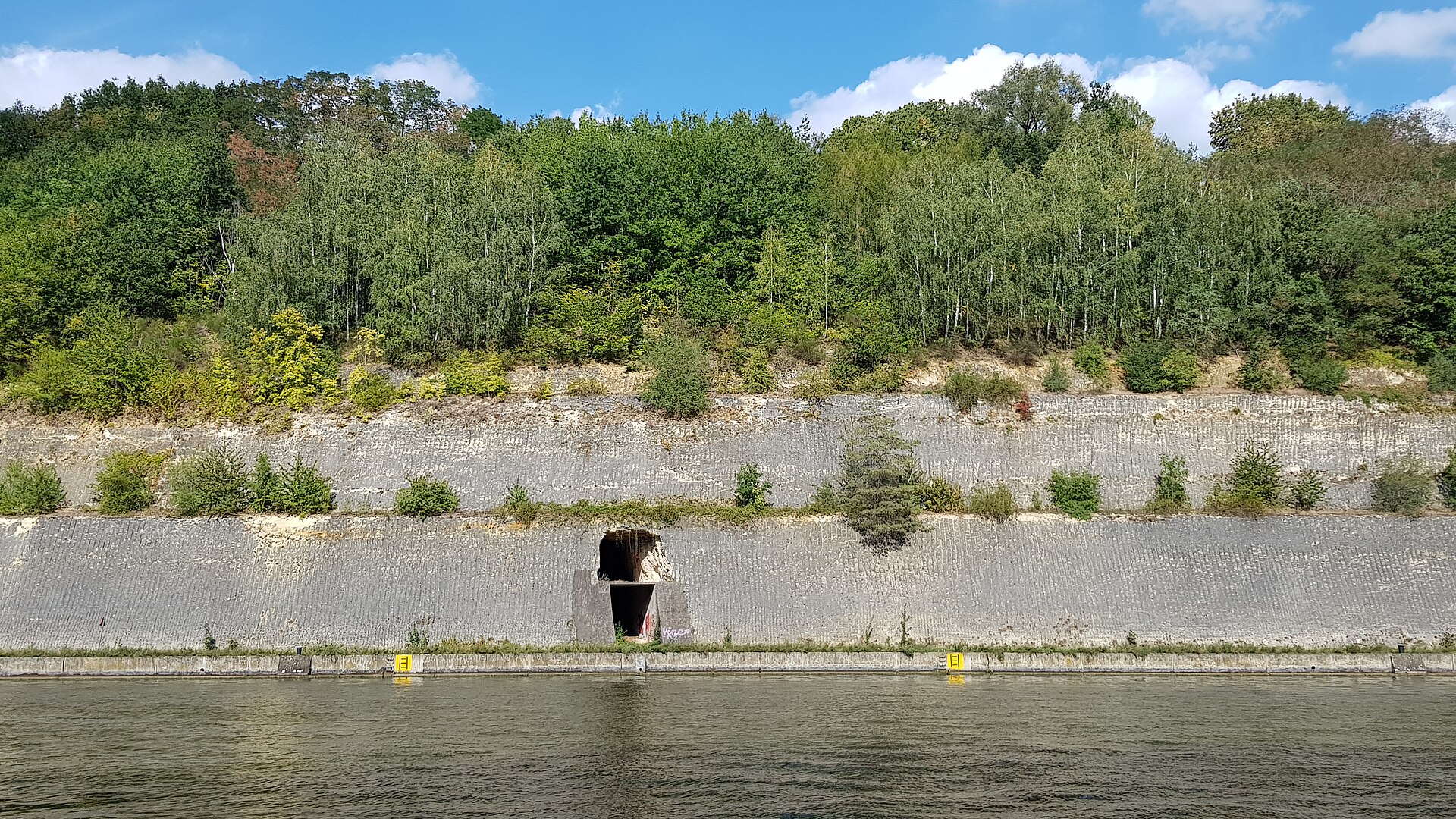
Caestert quarry is an underground limestone quarry carved into the Sint-Pietersberg hill (also known as the Plateau van Caestert), straddling the border between Belgium and the Netherlands right next to the town of Visé in Liège province. The site sits at coordinates 50.810961, 5.68971634, only a few hundred meters from the Maastricht border, making Caestert one of Europe's rare attractions that physically spans two countries at once.
What's hidden beneath the hill
Sint-Pietersberg has been quarried for centuries for its soft marlstone, easy to cut and widely used as a building material throughout the Meuse region. Extraction followed the room-and-pillar method — blocks were hand-cut while pillars were left standing to support the ceiling — which over time created a dense network of galleries and chambers stretching for kilometers beneath the surface. Caestert is one section of this much larger underground system, which on both sides of the border is often described collectively as a labyrinth totaling dozens, and by some estimates over a hundred, kilometers of passages.
Why it's worth a visit
The Caestert underground isn't a conventional tourist attraction with a marked, lit-up trail — it appeals to people interested in mining history, geology, and exploration. The constant, cool conditions underground, unaffected by the season, meant the galleries took on other roles besides mining over the centuries: they served as air-raid shelters during the Second World War, and today they form an important hibernation site for bats, including species protected under European nature conservation programs. The walls of many corridors carry drawings and inscriptions left behind by generations of quarrymen — an informal, chalk-and-charcoal record of the site's history.
The landscape above ground
Above the tunnels stretches the distinctive landscape of the Plateau van Caestert — rolling hills covered in calcareous grassland, a valuable habitat for rare plants and insects, including butterflies tied to dry, limestone-rich slopes. The area borders the Jeker valley (Jekerdal) and the famous ENCI quarry on the Dutch side, making the whole region a popular destination for hiking and cycling routes that combine nature, industrial geology, and views over the Meuse valley.
How to visit
Because of the complexity of the tunnel network and safety concerns — collapse risk, no lighting, and bat populations that need protection — exploring the underground alone without a guide is discouraged and, in many sections, formally prohibited. Local guides and heritage associations focused on the region's mining history regularly organize themed tours that allow visitors to safely see parts of the labyrinth.
Frequently asked questions
Is Caestert quarry in Belgium or the Netherlands? The complex sits right on the border: part of the tunnels run on the Belgian side (Visé, Riemst), part on the Dutch side, toward Maastricht.
Can you explore the tunnels on your own? It's not recommended, and not always legal — the safest way to see the site is on a guided tour.
What else is worth seeing nearby? The neighboring ENCI quarry, the Jeker valley, and the hiking trails across Sint-Pietersberg overlooking the Meuse valley.
Nearby places

Earn badges for the places you visit
Download NextOnTrip, discover new places and check off your trails.