- Mines
Quarry Lanaye Supèrieur
About this place
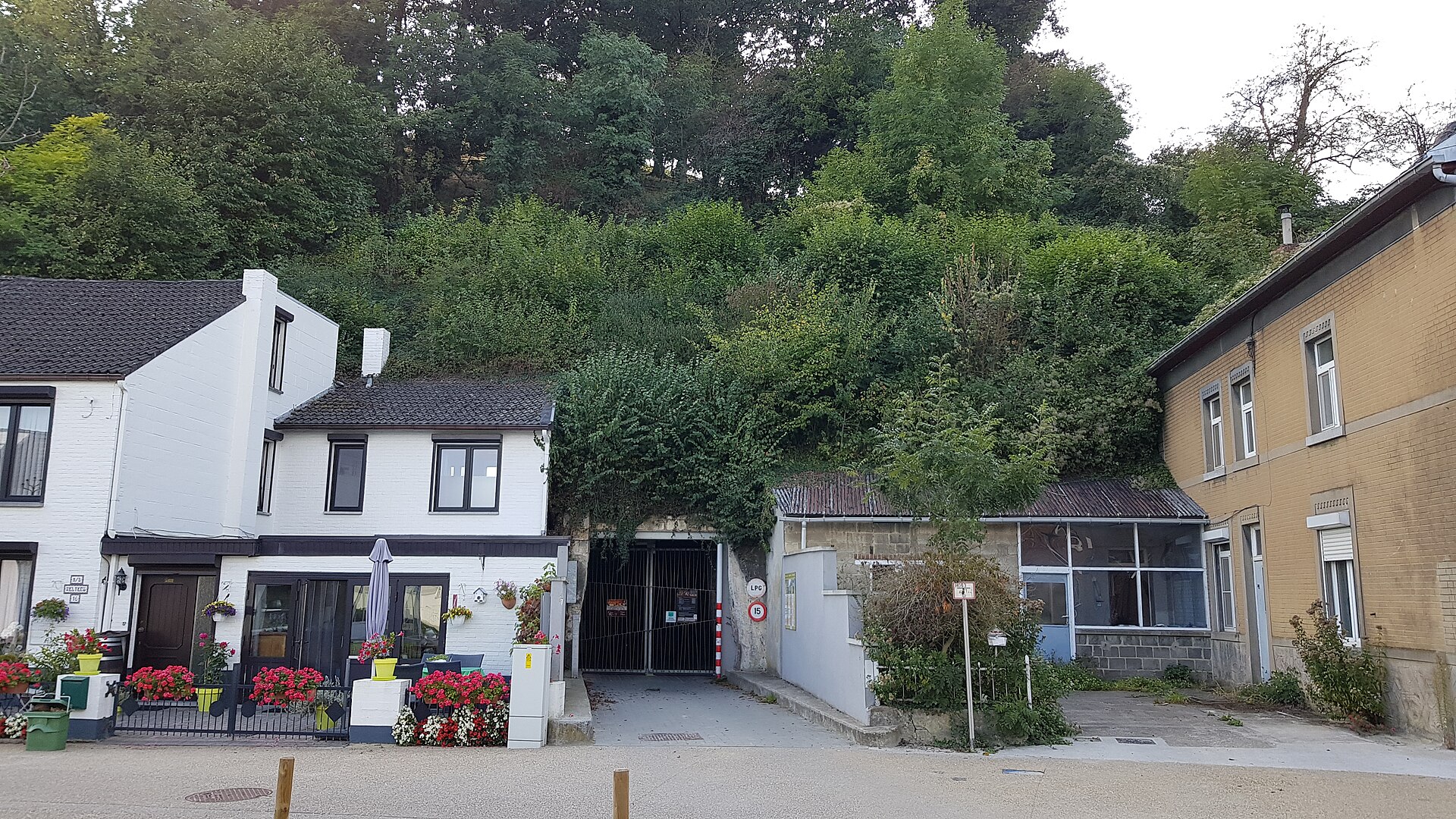
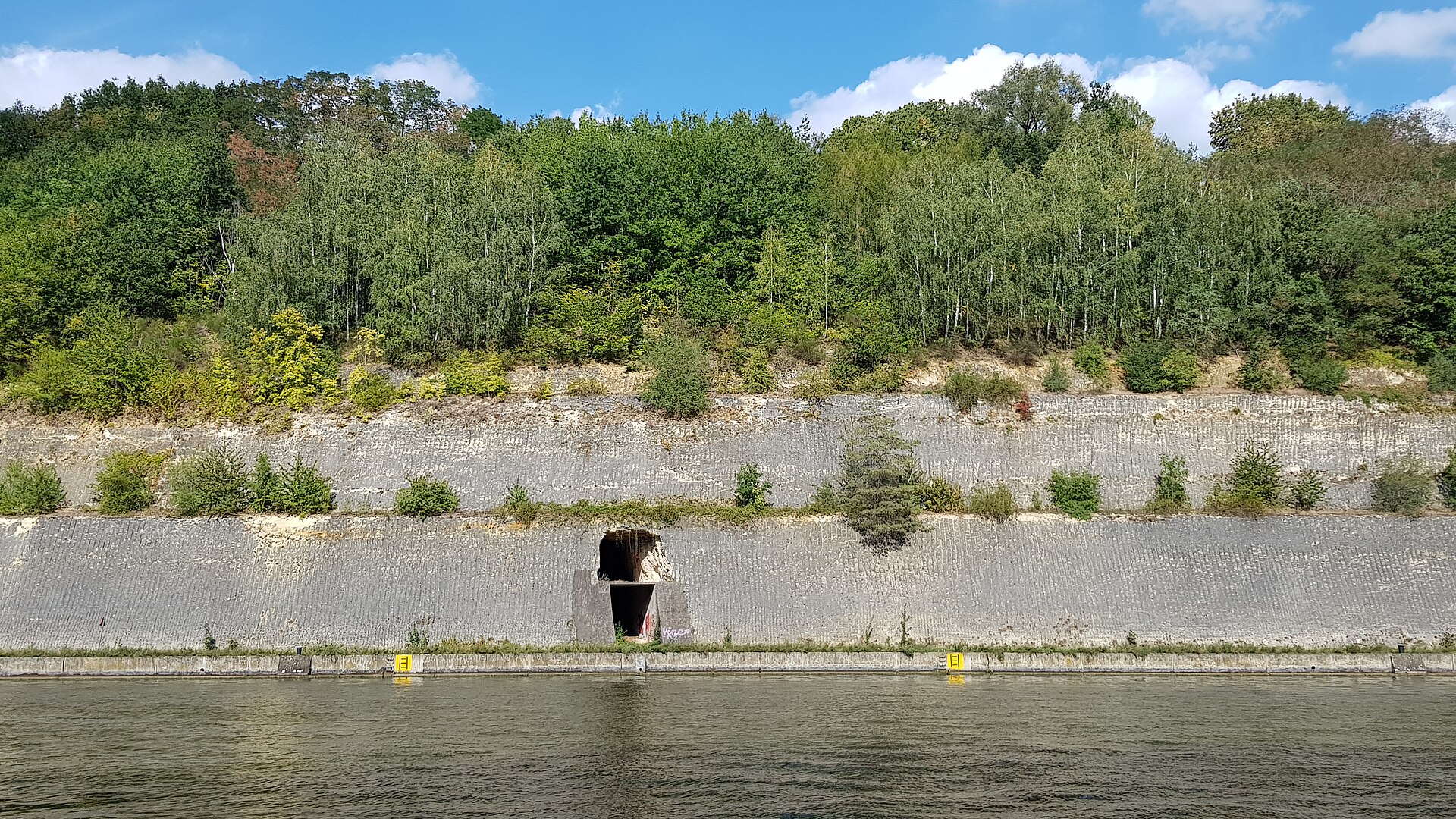
Quarry Lanaye Supérieur (also known as Groeve Ternaaien-Boven) is an underground limestone quarry within the Sint-Pietersberg massif, straddling the Belgian-Dutch border near Visé and the village of Lanaye (Ternaaien). The site lies on the Petit-Lanaye plateau, within the municipality of Visé, part of a wider region riddled with extensive rock workings running beneath the Sint-Pietersberg hill.
What was mined here?
For centuries, Sint-Pietersberg supplied a soft limestone that locals in Limburg traditionally call "mergel" (marl), even though the material is geologically limestone rather than true marl. Easy to cut and shape, it became a prized building material across the Meuse valley and the wider Limburg region. Extraction was carried out underground, with miners carving galleries and chambers into the rock that, over time, grew into an extensive labyrinth of tunnels.
How extensive is the underground tunnel network?
Quarry Lanaye Supérieur is not an isolated site — it forms part of a much larger complex of quarries within Sint-Pietersberg. On the Belgian side, this includes Quarry Caestert and the neighboring levels of Ternaaien-Midden and Ternaaien-Beneden, while on the Dutch side sites such as Caestertgroeve belong to the same system. Combined, the workings within the massif cover more than 150 hectares, and the wider Limburg region (both Belgian and Dutch) contains roughly 250 larger and smaller tunnel systems carved into the limestone.
Why did the area become a nature reserve?
In the late 1970s, the entire Sint-Pietersberg area was designated a protected nature reserve. The decision came at a critical moment, as the Belgian cement industry was preparing plans to quarry away much of the hill entirely. Instead, the landscape was preserved, and the former quarries became part of a protected area valued for its ecology, geology, and industrial history alike.
What can visitors find there today?
The underground galleries of Sint-Pietersberg, including those belonging to the Ternaaien-Boven system, are today of particular interest to geologists, industrial heritage researchers, and urban exploration or caving enthusiasts. The extensive, partly collapsed tunnels — difficult to navigate without proper preparation — tell the story of centuries of quarrying that shaped much of the regional architecture along the Meuse. The site's coordinates (50.807409, 5.688440) mark a point on the Petit-Lanaye plateau, right by the Belgian-Dutch border.
Frequently asked questions
Can Quarry Lanaye Supérieur be explored independently? The underground workings of Sint-Pietersberg are extensive and in places hazardous. Entering without a guide or proper preparation is not advisable, and parts of the tunnel network lie within a protected nature area.
How does this quarry differ from the neighboring workings? Quarry Lanaye Supérieur is one level of the wider Ternaaien system, adjoining the Ternaaien-Midden and Ternaaien-Beneden workings as well as the Caestert quarry — together they form part of one much larger underground complex.
Why is the rock from this region called "mergel"? This is the traditional Limburg name for the soft limestone extracted from Sint-Pietersberg, even though geologically the material is classified as limestone rather than true marl.
Since when has the area been protected? The entire Sint-Pietersberg area, including its former quarries, was granted nature reserve status in the late 1970s.
Nearby places

Earn badges for the places you visit
Download NextOnTrip, discover new places and check off your trails.