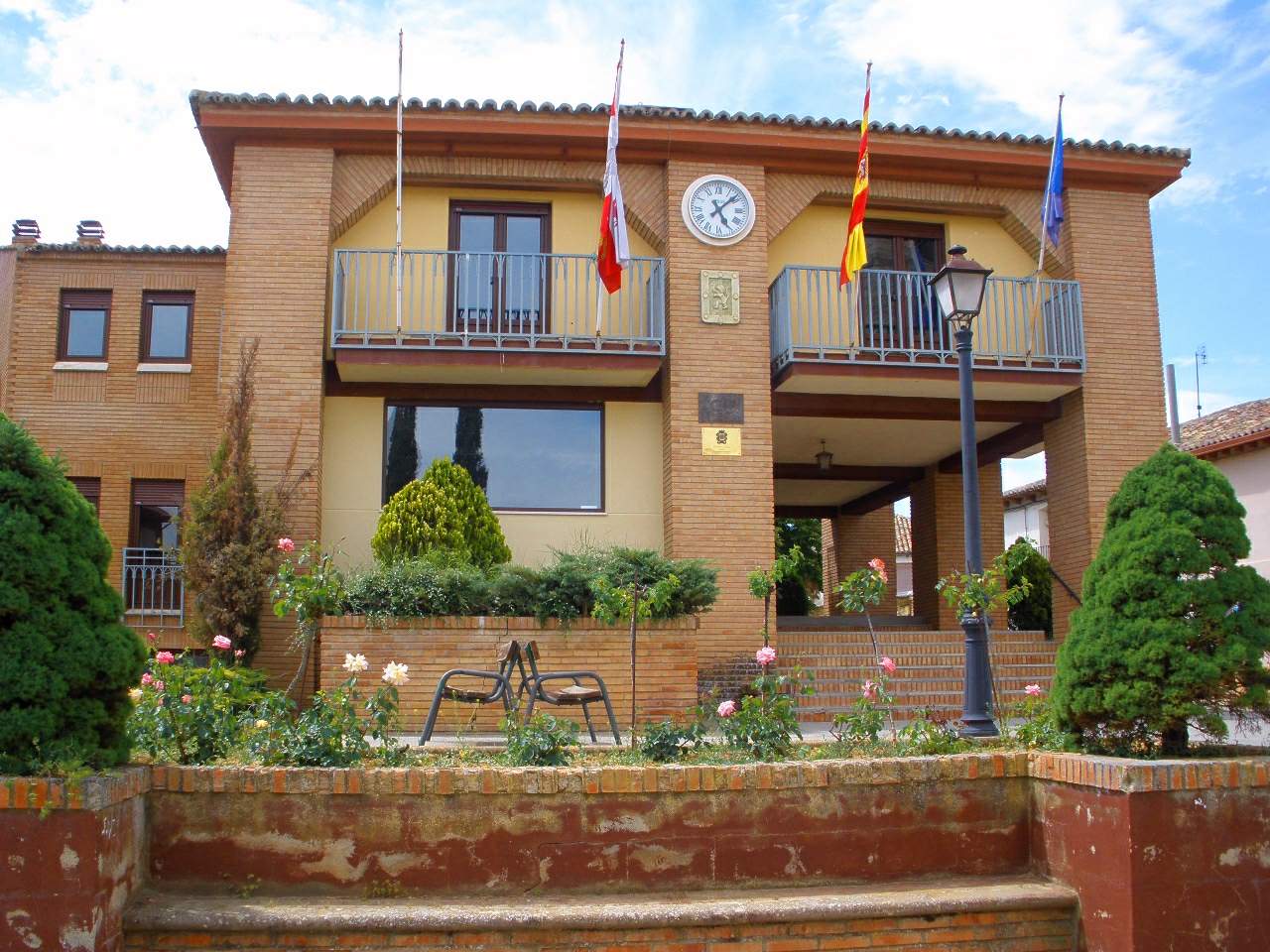
About this place
Frómista town hall is the seat of local government for a small town in the province of Palencia, in Castile and León, sitting directly on the Camino de Santiago pilgrim route. The building stands at Plaza de Tuy, right in the historic centre, just a short walk from the town's best-known landmark, the Romanesque church of San Martín de Tours.
Where exactly is the town hall?
Frómista has around 800 residents and sits on the Camino Francés, the main branch of the pilgrimage road to Santiago de Compostela. The town hall is located at Plaza de Tuy 6, next to the old Plaza Mayor, right in the heart of a compact historic centre where the church, the Castile Canal and the former Jewish quarter are all within easy walking distance.
What's the story behind the town?
Frómista's history goes back to 1066, when Countess Doña Mayor of Castile founded a Benedictine monastery around the church of San Martín de Tours. Built in the second half of the 11th century, the church is considered one of the purest examples of Romanesque architecture in Spain and is listed as a UNESCO World Heritage Site as part of the Routes of Santiago de Compostela.
For centuries the town also had a sizeable Jewish community — by the late 15th century roughly 200 families, about a quarter of the population. The 1492 expulsion of Jews from Spain hit the local economy hard, with effects felt for generations afterward.
Frómista is sometimes called "Villa del Milagro" (Town of the Miracle), a name tied to a Eucharistic miracle that, according to local tradition, took place there in 1453.
What happened on the main square?
The Plaza Mayor, where the town hall stands, has its own local legend. Tradition holds that in the 13th century Pedro González Telmo — later canonised as San Telmo — fell from his horse there and, mocked by the crowd that gathered, chose to abandon worldly ambitions for a life of religious service. The story is still part of the town's identity and comes up around local festivities.
How do you get to Frómista?
The town sits directly on the Camino Francés, making it a natural stop for pilgrims walking or cycling toward Santiago de Compostela. It's also close to Carrión de los Condes and Villalcázar de Sirga, two other well-known waypoints on the same route. By car, Frómista is reachable via local roads connecting it to Palencia, the provincial capital, and it's also served by regional bus lines.
What's worth seeing near the town hall?
A short walk from Plaza de Tuy leads straight to the church of San Martín de Tours, the town's main attraction and a magnet for both tourists and pilgrims. Close by runs the Canal de Castilla, an 18th-century engineering project originally built for grain transport, now a popular route for walking and cycling.
When is the best time to visit?
Spring and early autumn bring the most comfortable conditions for exploring Castile, with mild temperatures and a steady flow of pilgrims that keeps the town lively along the Camino. Summers can turn hot, while winters are cold and windy, so it's worth planning outdoor time accordingly.
Frequently asked questions
Where exactly is Frómista's town hall? It's at Plaza de Tuy 6, in the historic centre, close to the church of San Martín de Tours and the main square (Plaza Mayor).
Can I combine a visit to the town hall with the church of San Martín? Yes — both are only a few hundred metres apart, easily covered on the same walk through the centre.
Is Frómista on the Camino de Santiago? Yes, it's a stop on the Camino Francés, the principal pilgrimage route to Santiago de Compostela.
Why is Frómista called "Villa del Milagro"? The name refers to a Eucharistic miracle that local tradition says took place in the town in 1453.
Nearby places

Earn badges for the places you visit
Download NextOnTrip, discover new places and check off your trails.