About this place
Ayuntamiento de Husillos is the town hall of Husillos, a small municipality in the Tierra de Campos area of Palencia province, in Castilla y León. Beyond its administrative role, the building marks the heart of a village whose history is disproportionate to its size, thanks to a former abbey that once carried real weight in medieval Castile.
Why does Husillos matter to travelers?
Husillos is a small rural settlement with only a handful of residents today, yet its roots go back over a thousand years. What sets it apart is the former monastic complex around which the village's religious and political life once revolved. For visitors exploring the quieter corners of Palencia province, away from the main tourist circuits, Husillos offers a genuinely local, low-key stop with real historical depth.
What was the Abbey of Santa María de Husillos?
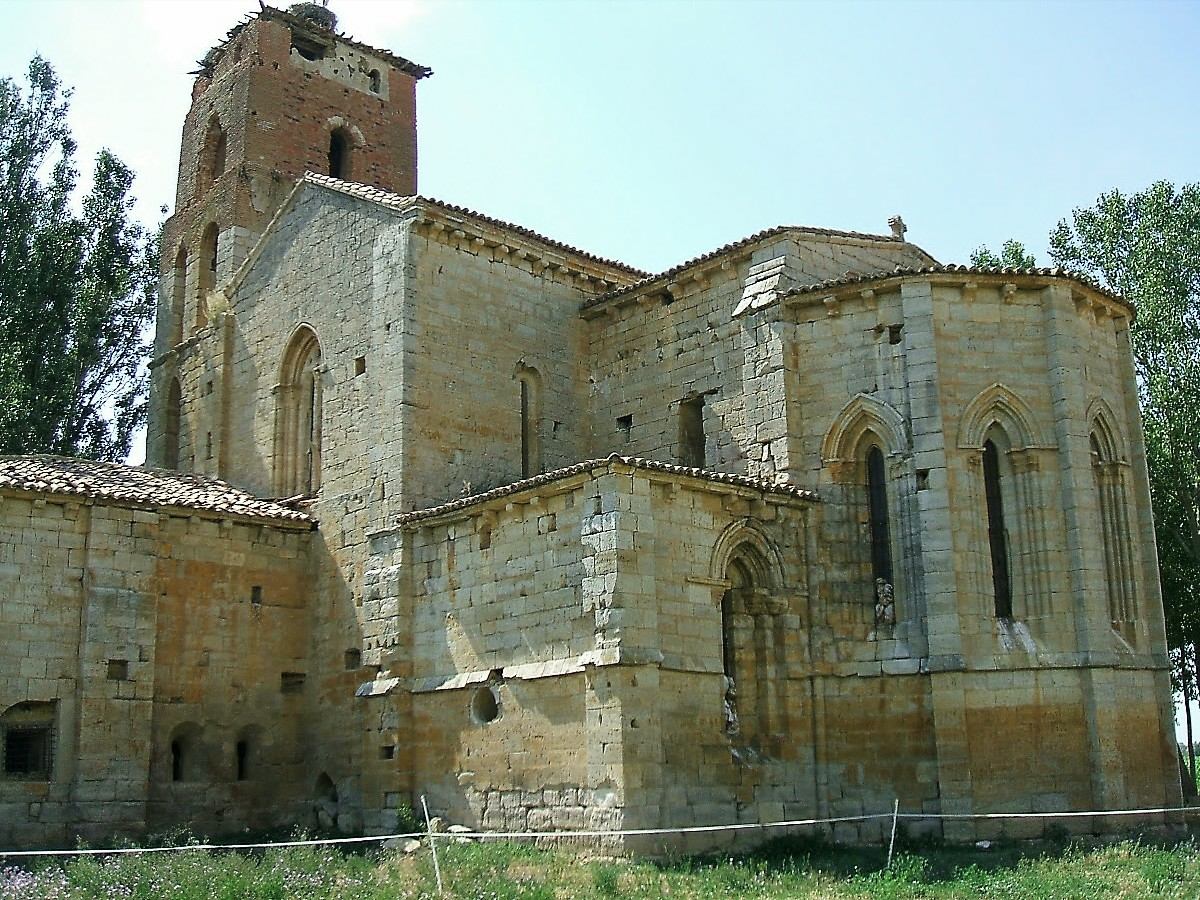
The parish church standing today, Iglesia de Santa María, is what remains of the former Abbey of Santa María de Husillos, also referred to historically as Santa María de la Dehesa Brava. According to local tradition, the site began as a modest hermitage set within dense woodland. The land and hermitage belonged to the Counts of Monzón, who ceded them to the Roman cardinal Raimundo around 960–970, at the request of Queen Teresa, wife of King Sancho the Great. The abbey itself was built during the 10th century and quickly grew into an institution whose influence reached well beyond the village.
What historical events took place here?
The single most significant episode in the abbey's history is the Council of Husillos, held in 1088 under the presidency of King Alfonso VI — a gathering with major ecclesiastical and political consequences for the kingdom of León and Castile. At the height of its power, the abbey held properties stretching into Palencia, Alís and León, and its abbots dealt directly with the bishopric, the crown and the papacy. The monastery reached its peak under Abbot Francisco de Reinoso, during whose tenure King Philip II himself visited to see the relic of the foot of Saint Lawrence, later moved to the monastery of El Escorial.
What can visitors see in Husillos today?
The Iglesia de Santa María shows a clear architectural transition from Romanesque to Gothic, making it one of the more notable buildings of its kind in Palencia province. Inside, visitors will find a replica of the famous Husillos Sarcophagus, a Roman piece from the mid-2nd century AD carved with scenes from the myth of Orestes. The original, unearthed in Husillos and acquired in 1870, is now held at the Museo Arqueológico Nacional in Madrid; the replica lets locals and visitors see the piece where it was actually found.
Frequently Asked Questions
Where is the Ayuntamiento de Husillos located? The town hall sits in the centre of Husillos, a village in Palencia province, in the Tierra de Campos region of Castilla y León.
What is the main attraction in Husillos? The Iglesia de Santa María, the surviving church of the former medieval abbey, along with the on-site replica of the Roman Husillos Sarcophagus depicting the myth of Orestes.
What was the Council of Husillos of 1088? An important ecclesiastical council presided over by King Alfonso VI, considered one of the key events in the medieval religious history of the kingdom.
Where is the original Husillos Sarcophagus kept? The original Roman sarcophagus, dated to the mid-2nd century AD, has been held at the Museo Arqueológico Nacional in Madrid since 1870; only a replica remains on display in Husillos.
Nearby places

Earn badges for the places you visit
Download NextOnTrip, discover new places and check off your trails.