About this place
Abbey of St. Vincent, Laon stands on a hillside in Laon, in the Aisne department of northern France, and traces its roots back some fourteen centuries. What visitors find today is largely a ruin punctuated by one striking survivor, an 18th-century abbatial residence, but the site's long arc — from a nuns' convent to a Benedictine house to a French army arsenal — makes it one of the more layered historical landmarks in the region.
When was the abbey founded?
The foundation is credited to Brunhilda, widow of Sigebert I, king of Austrasia, who established a convent for nuns at Laon around the year 580. Some historians regard it as the oldest religious community ever founded in the city, predating the cathedral chapter and the other monastic houses that would later cluster around Laon's hilltop.
How did the community change over time?
In 948 the monastery adopted the Benedictine rule, a shift that defined its identity for the rest of the medieval period. The centuries that followed were harsh on the buildings themselves. In November 882, Viking raiders devastated the area around Laon, plundering and burning the abbey and killing a number of its monks. A second major blow came in 1359, during the Hundred Years' War, when English troops under Edward III set fire to the abbey; the fire destroyed a substantial library that the community had built up over generations.
What remains of the original abbey?
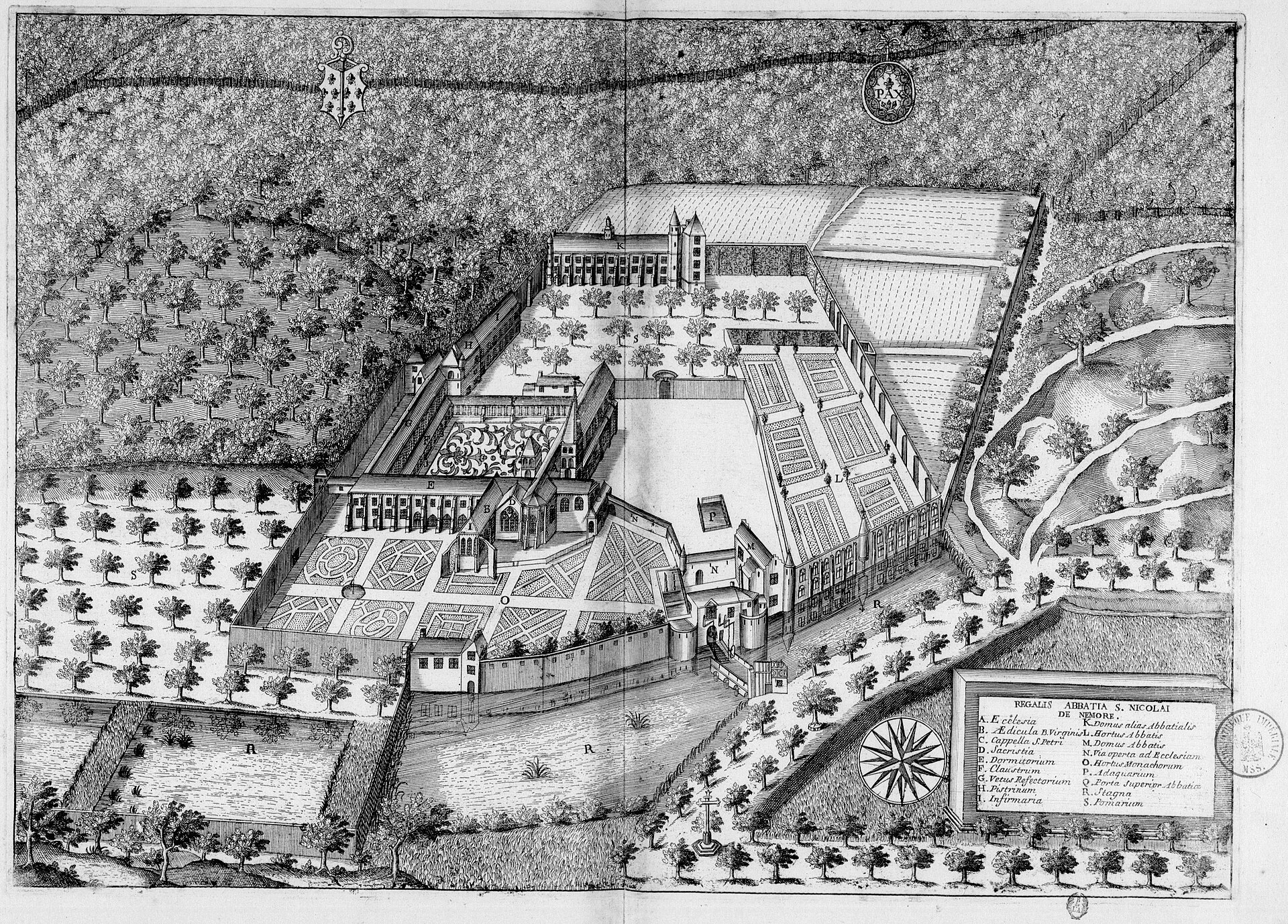
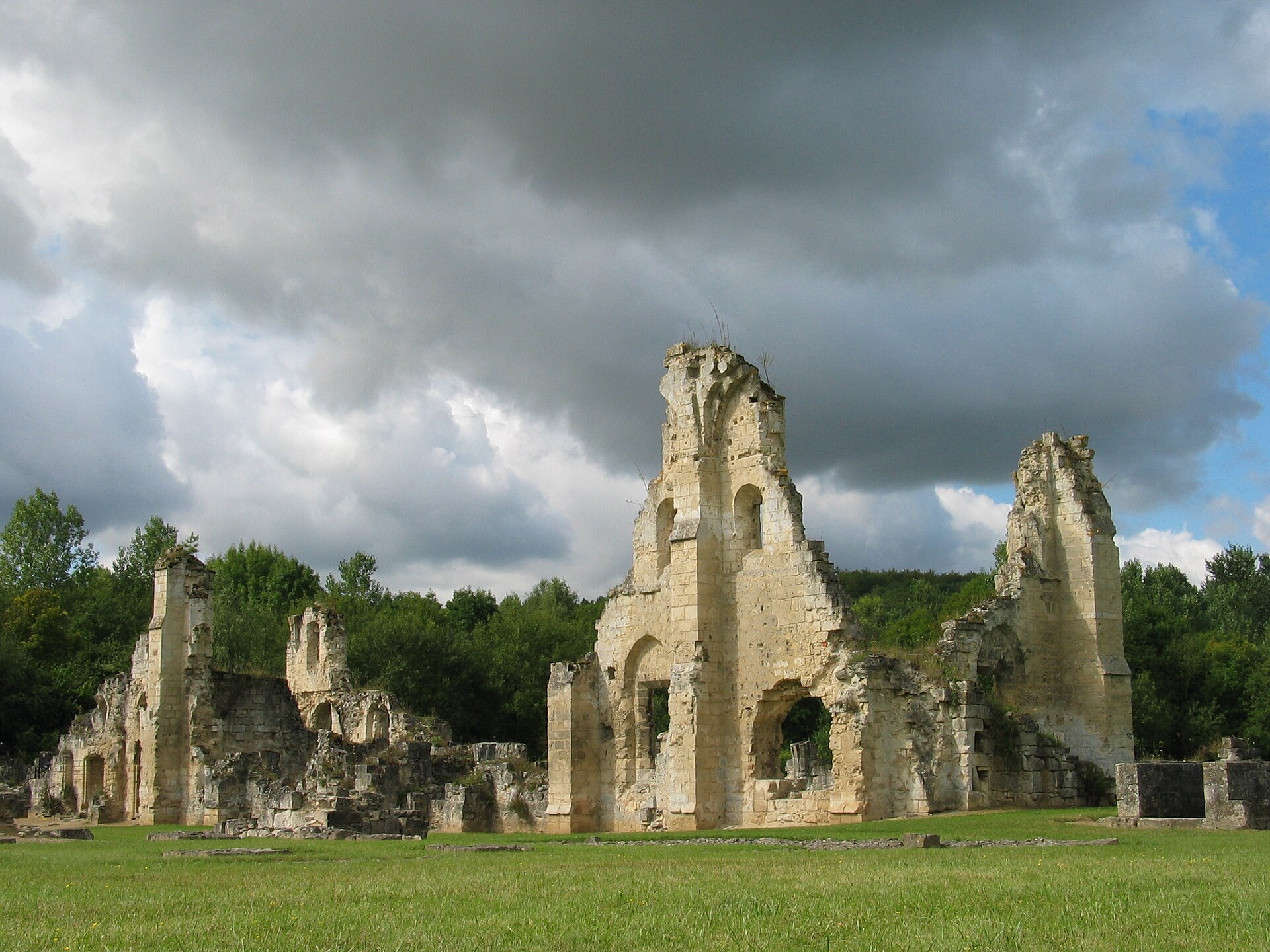
Despite repeated destruction and later rebuilding, the abbatial palace erected in 1771 still stands next to the site of the former abbey church, of which only a few arches survive. Around the grounds, remnants of a medieval defensive wall and the abbey's old cellars can still be traced, hinting at the original scale of the monastic complex.
Why did the abbey become a military site?
The site's fortunes shifted sharply in the 19th century. In 1860 it passed to the Jesuits, who ran it as a boarding school for boys. Then, in 1876, the French army took ownership and converted the grounds into an arsenal. Between 1879 and 1890 the military built fifteen brick hangars with metal-frame structures, a limestone entrance gate completed in 1879, and a powder magazine in 1880. The complex operated as an annex of the Thérémin-d'Hame barracks until the late 1990s, when it was decommissioned as part of the French army's broader restructuring and professionalization.
What is happening to the abbey today?
On 17 December 2019, the city of Laon purchased the former abbey grounds for 260,000 euros excluding tax. A project to redevelop part of the site as a high-end hotel has since been under discussion, though much of the complex remains in a ruined state awaiting stabilization and restoration work.
Frequently asked questions
Who founded the Abbey of St. Vincent in Laon? Brunhilda, widow of the Austrasian king Sigebert I, founded it as a convent for nuns around the year 580.
Can visitors tour the abbey buildings today? The site has belonged to the city of Laon since 2019 and is mostly in ruins; the surviving 1771 abbatial palace and sections of the old defensive wall can be seen from outside, though access inside depends on the state of ongoing restoration work.
Why are there 19th-century military hangars on the abbey grounds? From 1876 the site served as a French army arsenal, and the hangars, powder magazine, and entrance gate built between 1879 and 1890 still stand alongside the medieval remains.
What is planned for the abbey's future? Since the city of Laon acquired the grounds in 2019, redevelopment proposals — including a luxury hotel project — have been considered as a way to give the historic site a new purpose.
Nearby places

Earn badges for the places you visit
Download NextOnTrip, discover new places and check off your trails.