About this place
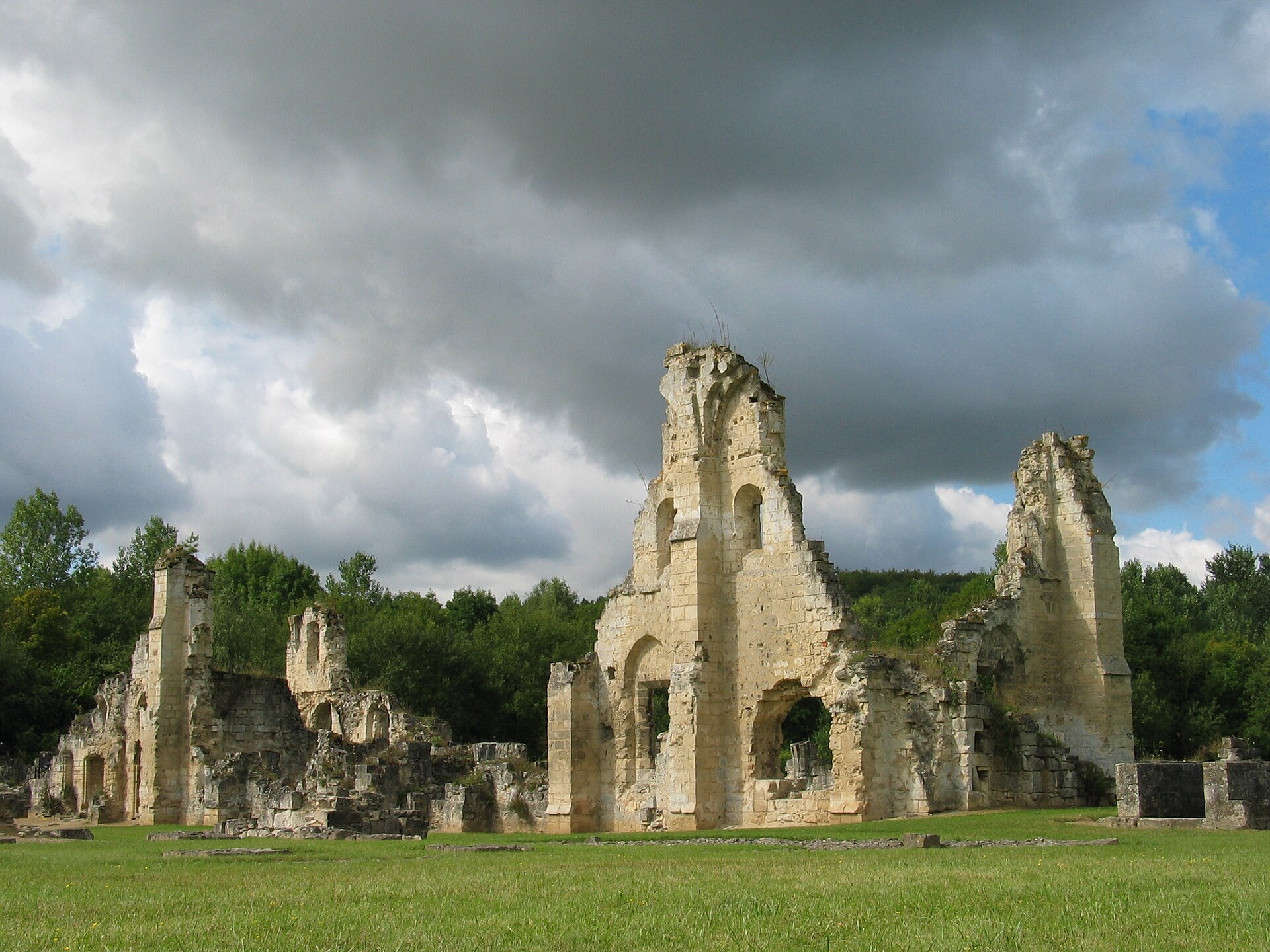
Cuissy Abbey (Abbaye de Cuissy) was a house of Premonstratensian canons regular whose remains lie near the village of Cuissy-et-Geny, in the Aisne department of northern France, not far from Laon. Little survives of the original buildings today, but the site holds real significance for the history of the Premonstratensian order, since it counts among its very earliest foundations.
How did the community at Cuissy begin?
The story starts in the early twelfth century, when Luc de Roucy, a dean of the cathedral chapter of Laon, withdrew from public church life and settled at Cuissy with a small group of companions in search of a stricter, more disciplined form of religious living. Not long afterward, the surrounding land in a valley known locally as the Vallée de la Misère was granted to the group by a lay couple, Gauthier de Jumigny and Ermengarde de Roucy, giving the fledgling community a secure base on which to grow.
What is the connection to Norbert of Xanten?
A few years after settling, the group at Cuissy joined the newly formed order of canons regular founded by Norbert of Xanten. Norbert, a former court canon turned itinerant preacher, had received land from the bishop of Laon in a forest near the place called Prémontré, and it was there, in the early 1120s, that he began organizing a new form of religious life combining the Rule of St Augustine with strict communal asceticism. The Cuissy community adopted this way of life and formally entered the Premonstratensian order; the house was subsequently raised to the rank of abbey, with Luc serving as its first abbot. Cuissy is counted among the order's first four foundations, alongside Prémontré itself, the abbey of Saint-Martin in Laon, and Floreffe Abbey — making it one of the oldest Norbertine houses anywhere in Europe. The abbey fell under the ecclesiastical authority of the diocese of Soissons.
What did the canons of Cuissy do?
Like other Premonstratensian houses, the canons at Cuissy combined liturgical prayer with pastoral and estate work in the surrounding Laonnois countryside. Unlike purely contemplative monks, Premonstratensian canons regular were often directly involved in parish ministry and the management of agricultural land tied to the abbey.
What happened to the abbey afterward?
Like many religious houses across France, Cuissy Abbey's community was dissolved during the French Revolution at the end of the eighteenth century, and its property was sold off or broken up. Today, only traces of the former buildings and the outline of the old monastic site remain at Cuissy-et-Geny — a quiet but historically meaningful stop for anyone interested in the story of the canons regular and the religious settlement of medieval northern France.
Frequently asked questions
Where exactly was Cuissy Abbey located?
In the village of Cuissy-et-Geny, in the Aisne department, near Laon, in the Hauts-de-France region.
Who founded the abbey?
The community was started by Luc de Roucy, a dean of the cathedral chapter of Laon, who settled there with a handful of companions in the early twelfth century.
How is Cuissy connected to the Premonstratensian order?
The community joined the order founded by Norbert of Xanten shortly after its establishment and became one of the order's first four foundations.
Does the abbey still exist today?
Not as an active religious community — it was suppressed during the French Revolution, and only remnants of the original site have survived.
Is it worth visiting?
It appeals mainly to visitors interested in regional history and the story of the canons regular, rather than travelers looking for a fully developed tourist site.
Nearby places

Earn badges for the places you visit
Download NextOnTrip, discover new places and check off your trails.