Sacred Monuments in Poland
A guide to 18 Sacred Monuments in Poland — with descriptions, photos and traveler visits from the NextOnTrip community. Locations spread across 14 cities and towns. Most visited by the community: Wawel Cathedral, Cathedral in Pelplin, Cmentarz Centralny w Szczecinie.
-
 1 visits
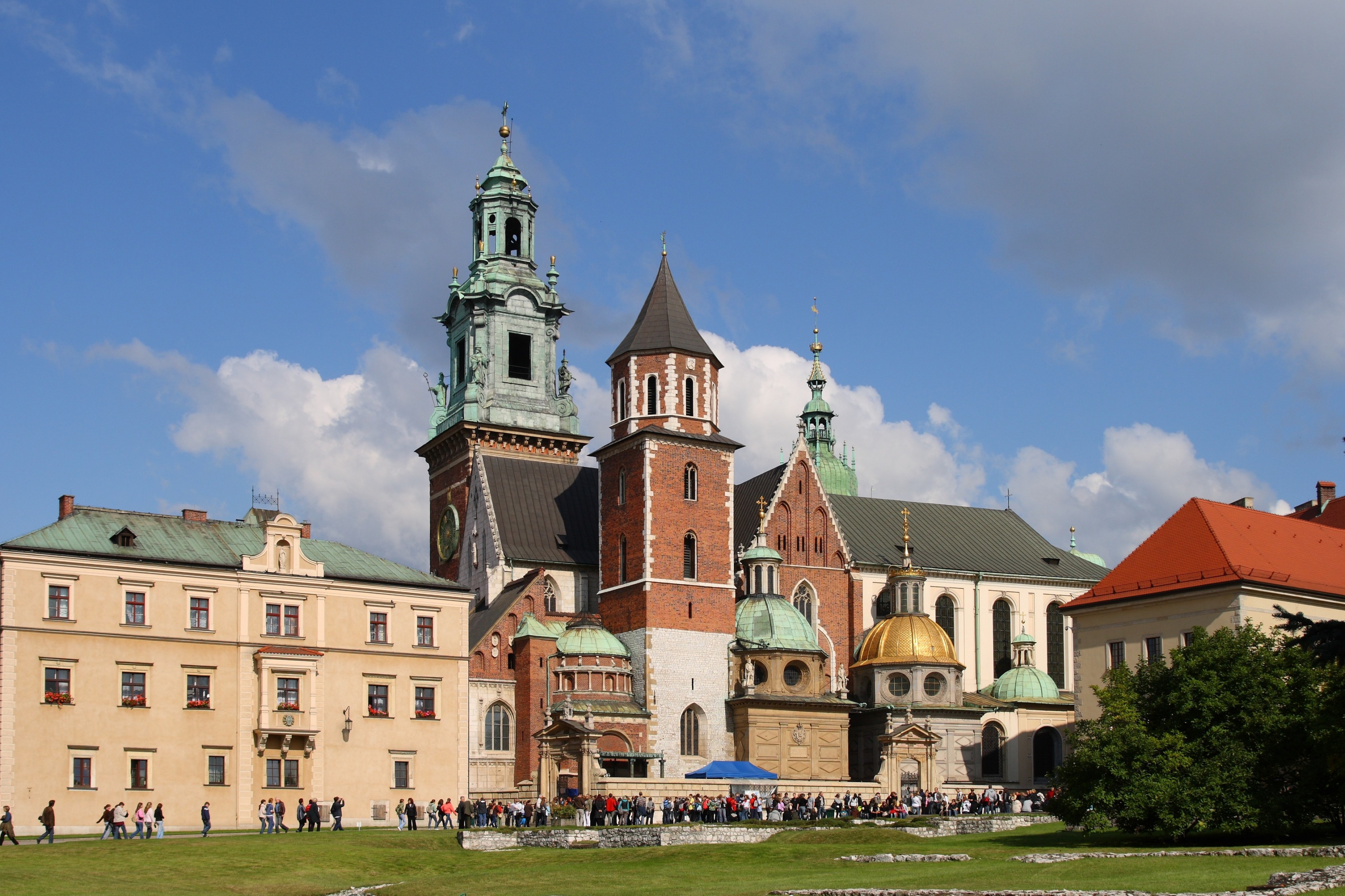
Wawel Cathedral
Kraków
Wawel Cathedral is one of Kraków’s most important landmarks and a must-see for anyone interested in Polish history, architecture, and culture. Located on Wawel Hill, it has been the site of royal coronations, funerals, and major national ceremonies for centuries. Inside and around the cathedral, you can admire ornate chapels, royal tombs, and impressive religious art. Don’t miss the Sigismund Bell Tower and the chance to explore the surrounding Wawel Castle area, which offers beautiful views over the Vistula River and the city. Visit early in the day to avoid crowds, especially in peak season. Dress respectfully, as this is an active place of worship. Plan extra time for the full Wawel complex, not just the cathedral. Check opening hours in advance, since access to some parts may be limited.
-
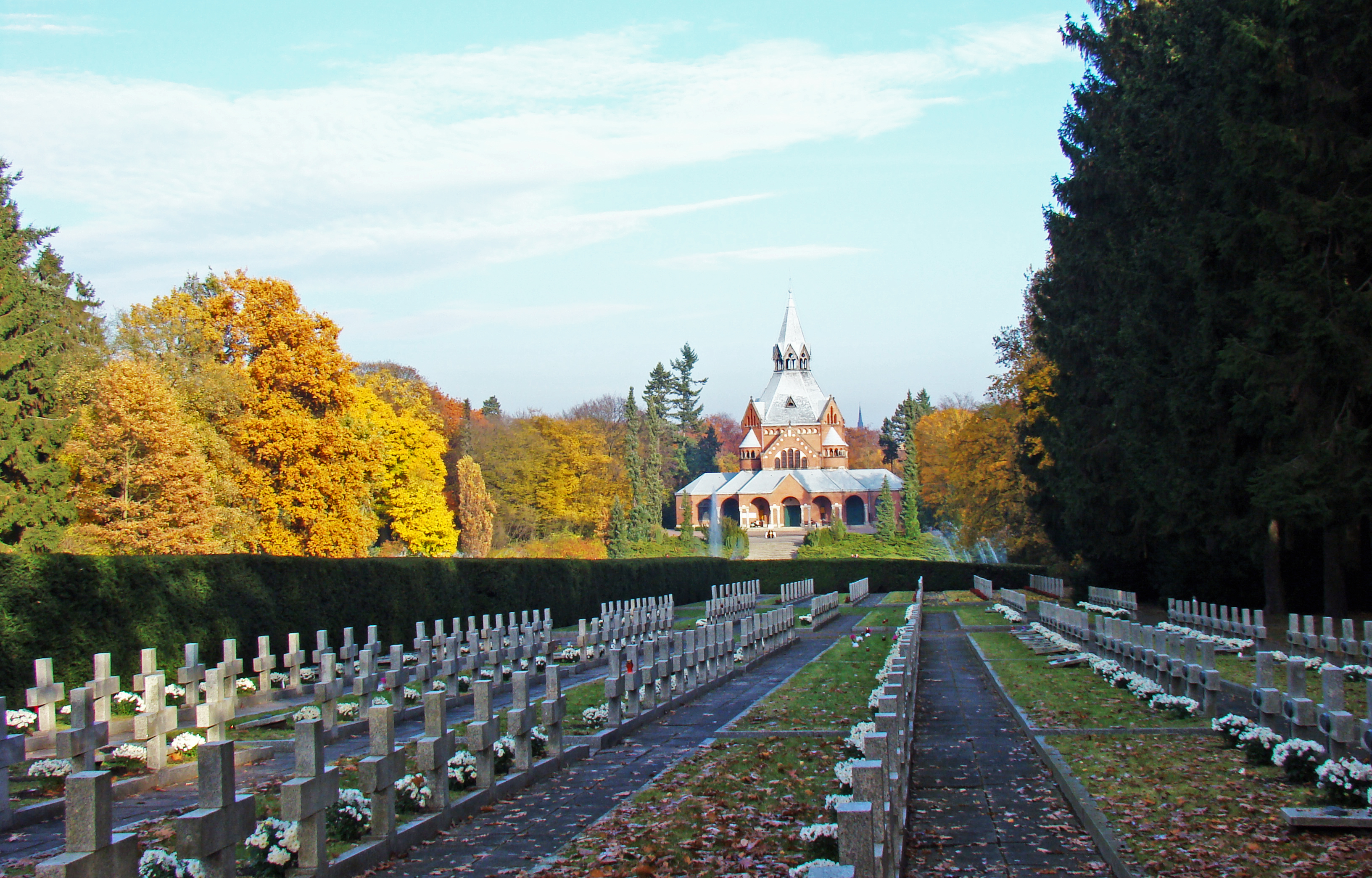
Central Cemetery in Szczecin
Szczecin
Central Cemetery in Szczecin is a municipal cemetery in Szczecin, Poland. Covering more than 167.8 hectares and still expanding, it is officially the largest cemetery in Poland and the third largest in Europe. It is a place for a quiet walk and a reflective visit. Its vast scale makes it one of the most impressive cemetery landscapes in the country, with long paths and a layout that invites slow exploration. As a municipal cemetery, it serves as an important public burial ground for Szczecin and stands out for its size alone, which places it among the largest in Europe. The fact that it is still expanding shows that it remains an active part of the city rather than only a historic site. For a visit, it is worth wearing comfortable shoes and allowing enough time to walk without rushing, especially if you want to appreciate the scale of the grounds. This is a good choice for travelers looking for a calm, respectful stop away from the busiest parts of the city.
-
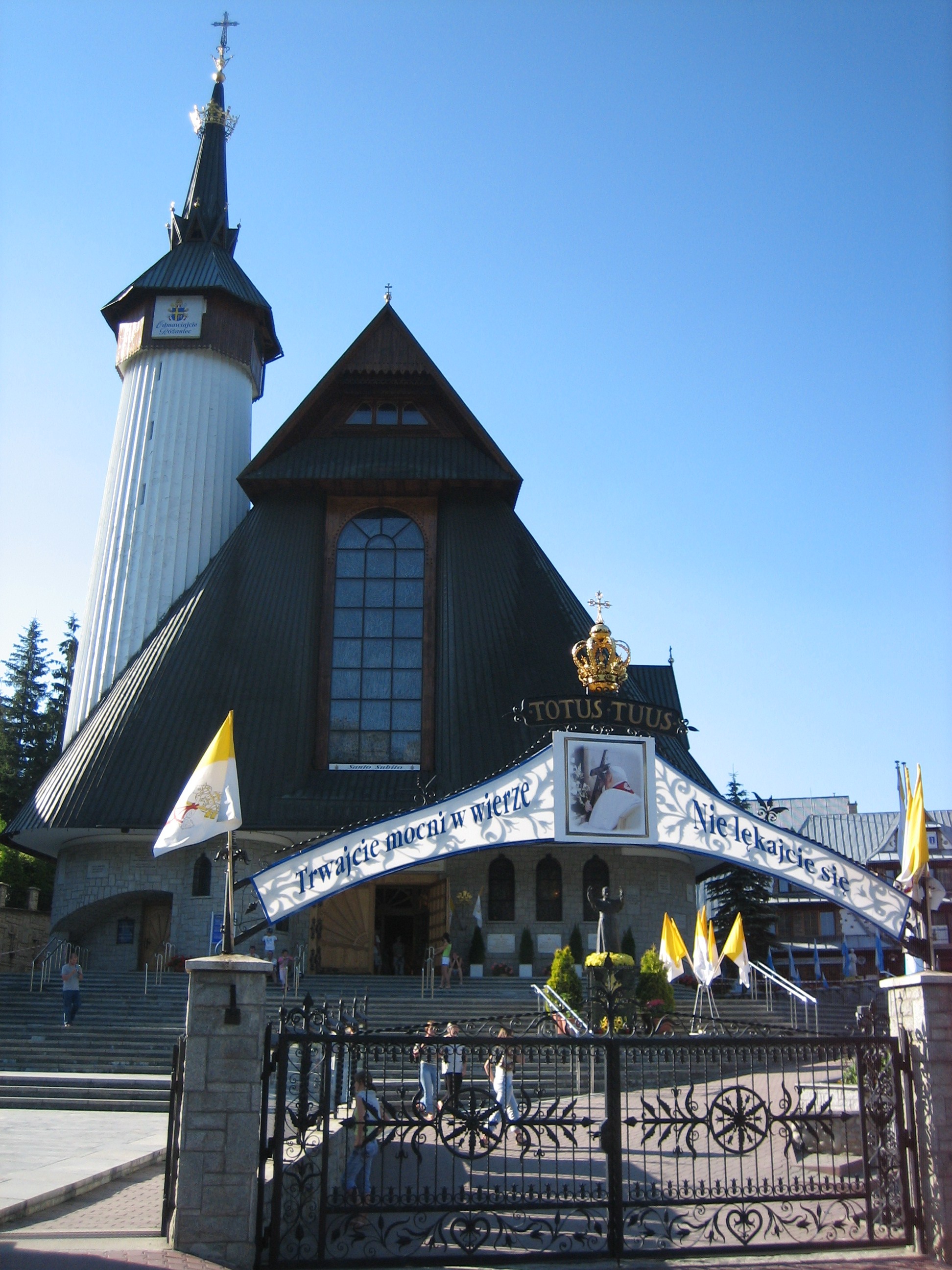
Sanctuary of Our Lady of Fatima in Zakopane
Zakopane
Sanctuary of Our Lady of Fatima in Zakopane is a peaceful pilgrimage site set in the heart of the Tatra Mountains, blending spiritual atmosphere with beautiful Highlander-style architecture. It is worth a visit for its serene setting, panoramic mountain views, and the chance to experience one of the most important Marian sanctuaries in southern Poland. Inside and around the sanctuary, you can admire the wooden church, quiet prayer spaces, and carefully kept surroundings that invite reflection. Visitors often come here to see the statue of Our Lady of Fatima, attend services, or simply enjoy the calm mood away from Zakopane’s busier streets. Best visited in the morning or late afternoon for a quieter experience and softer light Dress modestly, as this is an active religious site Combine your visit with a walk around Zakopane to see more local architecture and mountain scenery
-
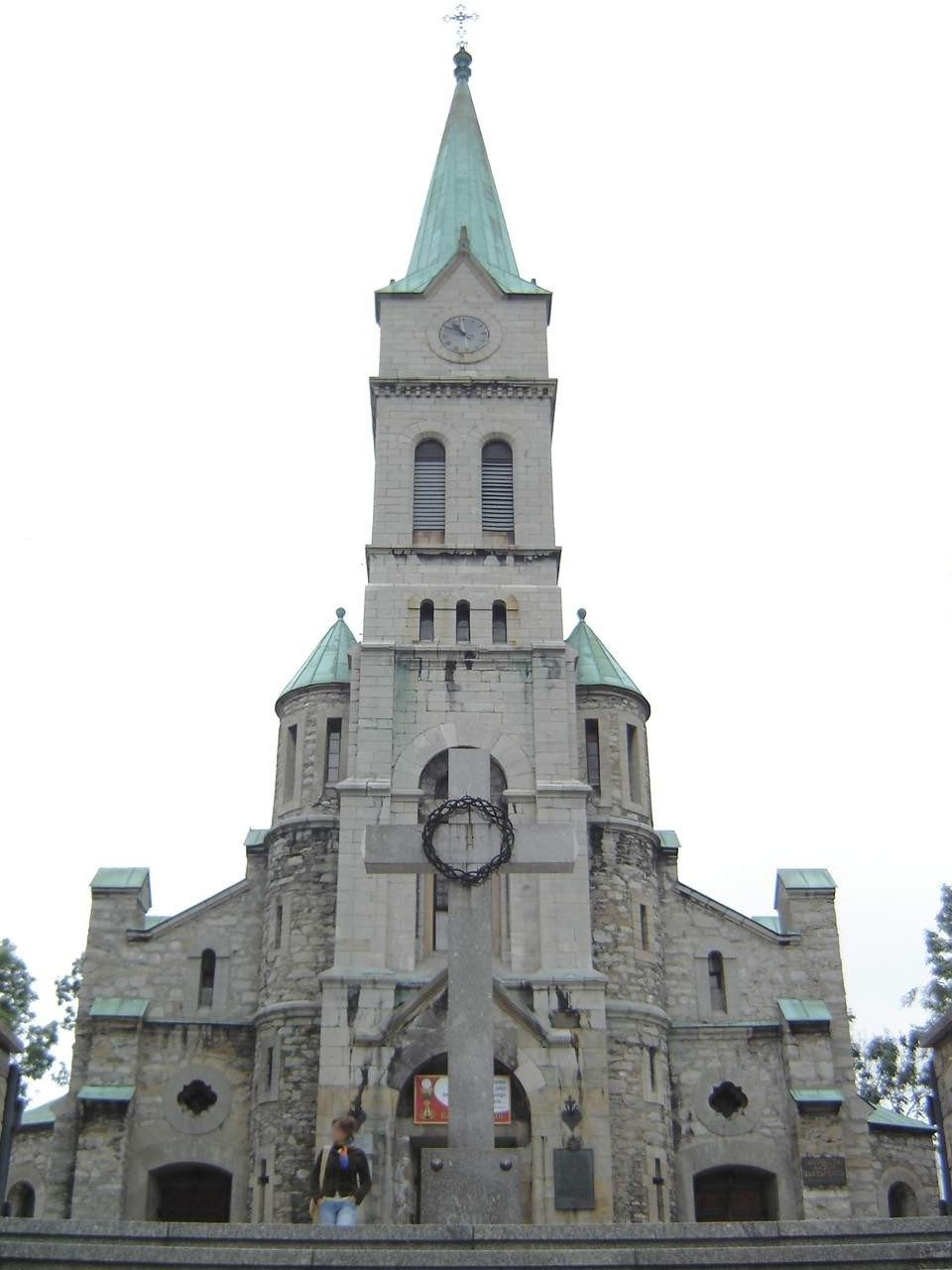
Church of the Holy Family in Zakopane
Zakopane
Church of the Holy Family is one of the most recognizable landmarks in Zakopane and a charming stop for anyone exploring the town. Built in the traditional Zakopane Style, it combines local wooden architecture with a peaceful atmosphere, making it worth a visit even if you are not especially interested in religious sites. Inside and around the church, you can admire its beautiful wooden details, stained glass, and quiet interior that contrasts with the lively mountain resort outside. The setting also makes it a nice place to pause while walking through the center of Zakopane. Visit in the morning or early evening for a calmer experience and softer light for photos. Dress respectfully, as it is an active place of worship. Combine your stop with a walk along Krupówki Street or other nearby sights in the town center.
-
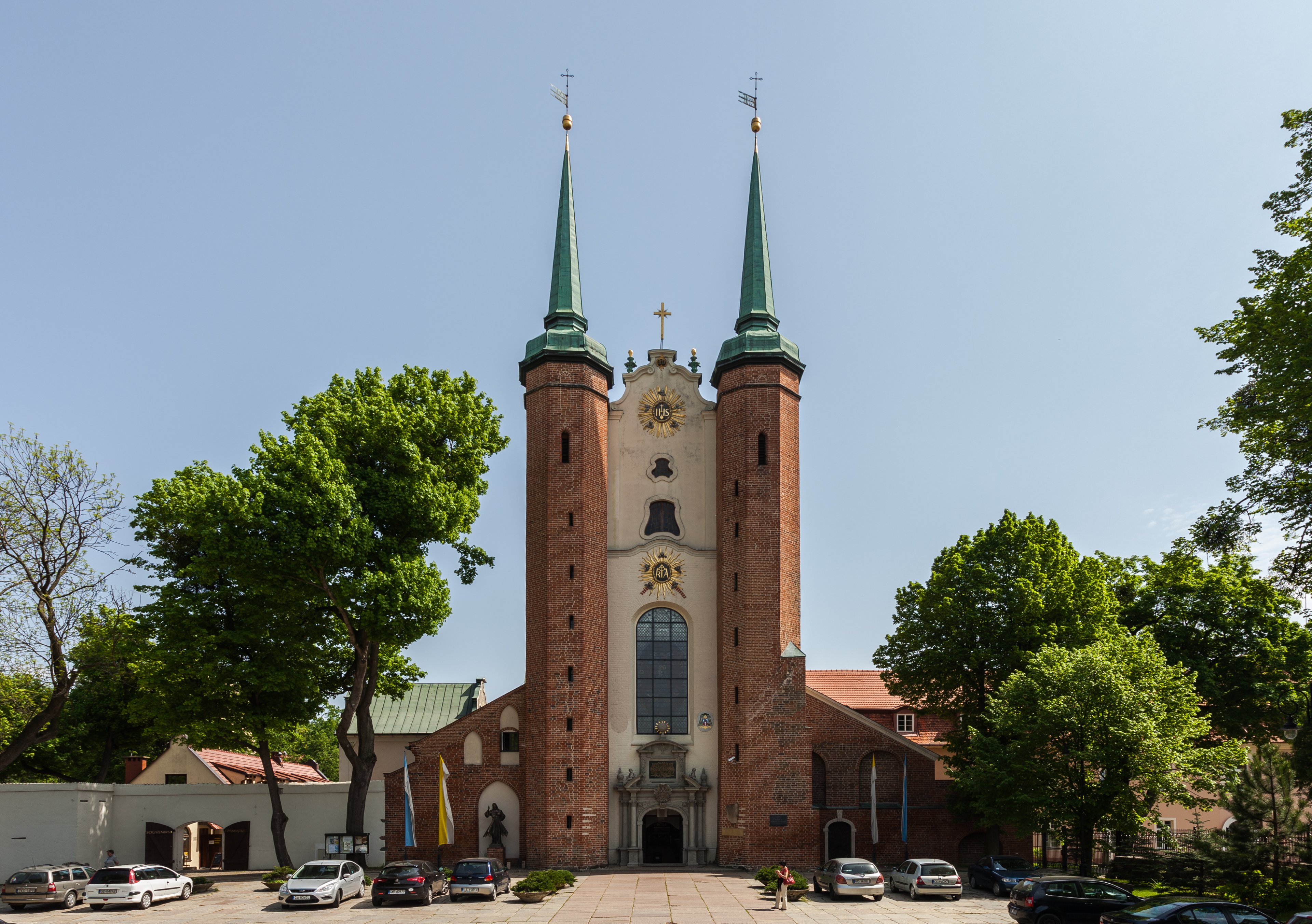
Oliwa Archcathedral
Gdańsk
Oliwa Archcathedral is one of Gdańsk’s most remarkable historic landmarks, known for its elegant Gothic architecture and peaceful atmosphere. It is well worth a visit for travelers interested in history, sacred art, and beautiful interiors, especially if you want a quiet break from the city center. Inside, you can admire the richly decorated nave, side chapels, and famous baroque organs, often used during concerts that fill the cathedral with impressive sound. The surrounding Oliwa district also adds to the experience, with leafy streets and the nearby park making it easy to combine culture with a relaxing walk. Visit during an organ concert if possible for the full experience. Dress modestly, as this is an active place of worship. Allow time to explore the nearby Oliwa Park after your visit.
-
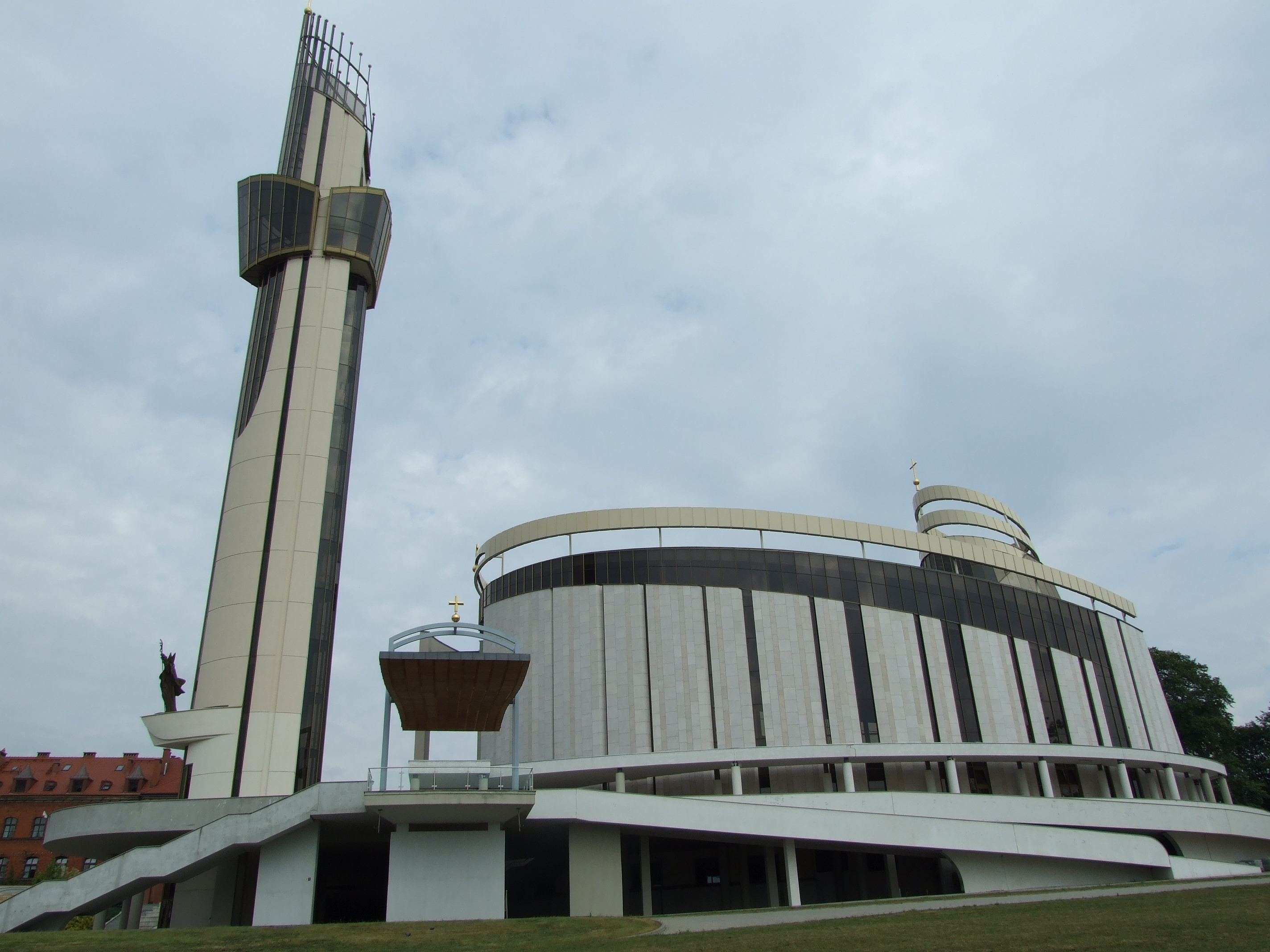
Sanktuarium Bożego Miłosierdzia w Krakowie-Łagiewnikach
Kraków
The Shrine of Divine Mercy in Kraków-Łagiewniki is one of the most important pilgrimage sites in Poland, drawing visitors for its spiritual atmosphere and deep connection to Saint Faustina Kowalska, the apostle of Divine Mercy. It is worth visiting not only for believers, but also for anyone interested in Kraków’s religious heritage and peaceful places away from the city bustle. Inside and around the sanctuary, you can see the modern basilica, the chapel with the famous image of Merciful Jesus, and the tomb of Saint Faustina. The site also offers panoramic views from the tower, quiet spaces for reflection, and a museum that helps explain the message of Divine Mercy. Plan some time for prayer, reflection, or a guided visit if you want to understand the site better. Dress modestly, especially if you plan to enter the basilica or chapel. The sanctuary is easy to reach from central Kraków, and combining it with nearby Łagiewniki attractions makes for a meaningful half-day trip.
-
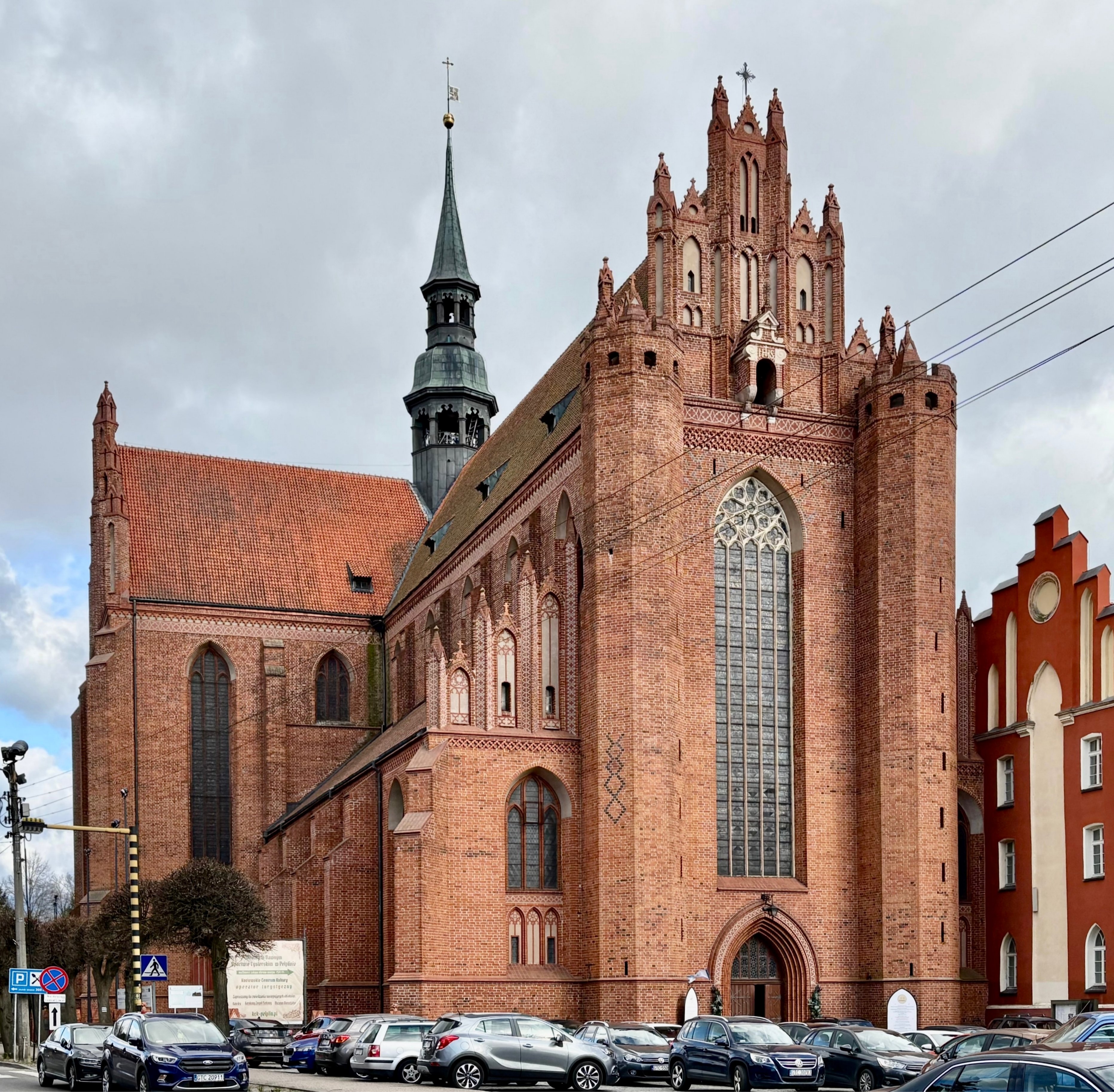
Cathedral in Pelplin
Pelplin
Pelplin Cathedral is one of the most impressive Gothic churches in northern Poland and a true highlight for anyone interested in history, architecture, or sacred art. Its soaring brick form and calm atmosphere make it worth a visit even if you are only passing through Pelplin. Inside, you can admire richly decorated chapels, valuable altars, and beautiful stained glass, along with the famous historical library and museum collections nearby. It is a great place to experience the quiet beauty of a medieval cathedral and learn more about the region’s religious heritage. Dress modestly, as this is an active religious site. Allow extra time to explore the surrounding monastery complex and museum. Visit in daylight to fully appreciate the details of the architecture and interiors.
-
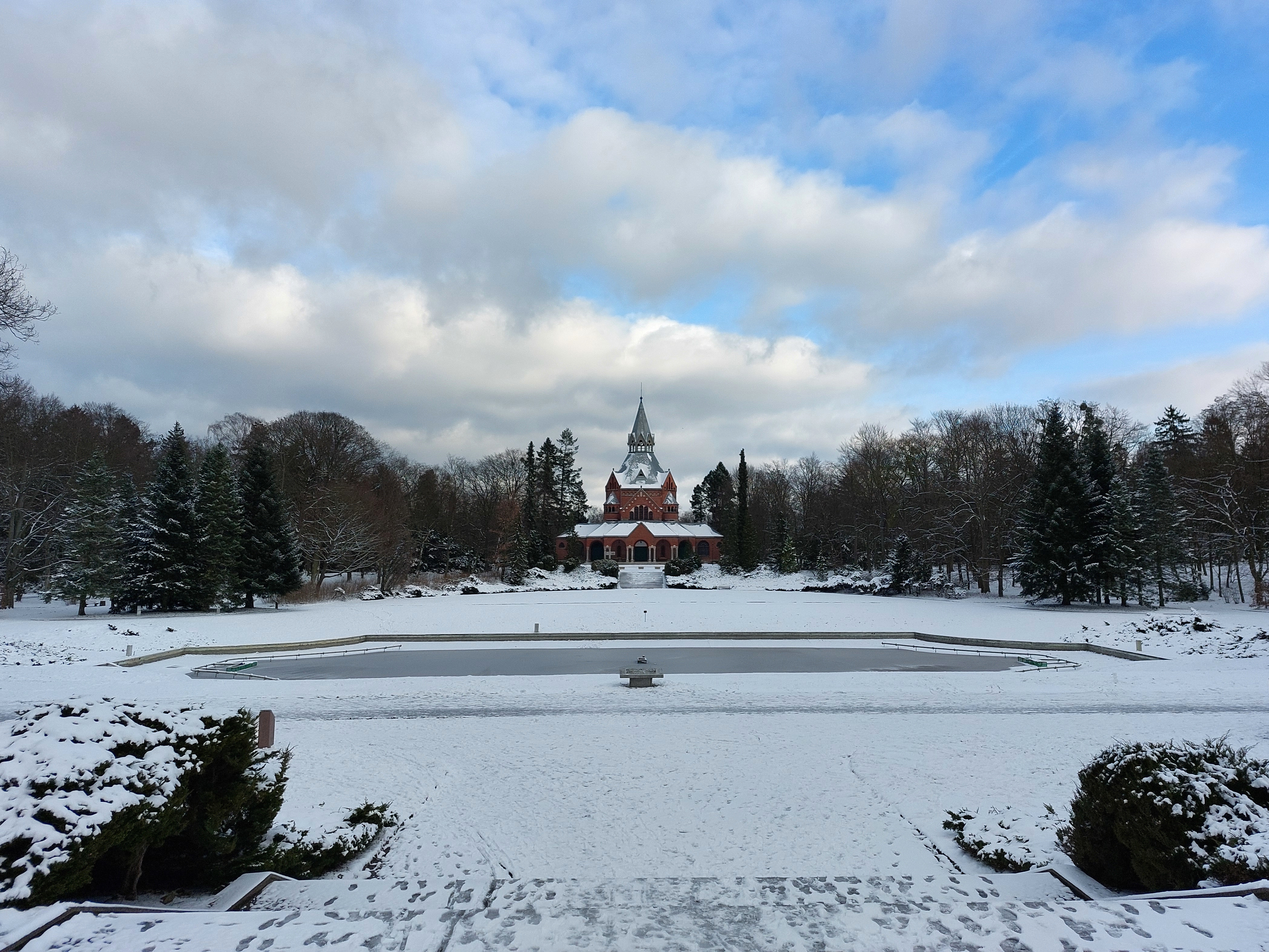
Cmentarz Centralny w Szczecinie
Szczecin
Central Cemetery in Szczecin is one of the largest cemeteries in Europe, but it feels more like a peaceful green park than a typical burial ground. It is worth visiting for its remarkable landscape design, historic monuments, and quiet atmosphere that offers a different perspective on the city. Here you can see wide avenues, old trees, elegant chapels, and beautifully crafted gravestones and memorials. Walk through the landscaped paths and discover impressive memorial architecture Look for the distinctive gates, sculptures, and hidden corners with a strong sense of history Enjoy the calm surroundings, especially in spring and autumn when the park-like setting is at its best For visitors, comfortable shoes are a good idea, as the area is large and best explored on foot. Plan some time for a slow walk, speak quietly, and check opening hours before you go, since it is an active cemetery and a place for reflection.
-

Jasna Góra Monastery
Częstochowa
Jasna Góra Monastery in Częstochowa, Poland, is a major Marian shrine and one of the country’s best-known pilgrimage destinations. It is especially associated with the image of the Black Madonna of Częstochowa, also called Our Lady of Częstochowa, which is believed to have miraculous powers. For visitors, it offers a meaningful stop for sightseeing and reflection. Na miejscu można liczyć przede wszystkim na: the chance to see the shrine dedicated to the Virgin Mary, which is the spiritual heart of the monastery the famous image of the Black Madonna of Częstochowa, one of Jasna Góra’s most treasured objects an atmosphere shaped by its role as an important pilgrimage site in Poland, making it a place for quiet observation and respectful visiting If you plan to visit, it is worth choosing comfortable shoes and allowing enough time for a calm walk through the complex. This is a good choice for travelers interested in religious heritage, Polish history, and a more contemplative kind of outing.
-
Saint Andrew church in Lasowice Wielkie
Saint Andrew church in Lasowice Wielkie is a church building in the village of Lasowice Wielkie, in Poland’s Pomeranian Voivodeship. As a local landmark, it helps define the village’s character and gives visitors a sense of the area’s religious and architectural heritage. It is a good stop for a short visit and a quiet look around. Na miejscu można liczyć przede wszystkim na: a chance to see a local church that serves as one of the village’s recognizable landmarks an introduction to the religious heritage of Lasowice Wielkie and the surrounding area a simple architectural stop that fits well into a calm village walk If you plan to stop by, it is worth allowing a little time for a relaxed look at the building and bringing comfortable shoes for a short walk through the village. This is a good choice for travelers who enjoy small local landmarks, quiet sightseeing, and places tied to regional history.
-
Cukerman Synagogue in Będzin
Będzin
Cukerman Synagogue in Będzin is a former Jewish prayer house in Będzin, a town known for preserving traces of its Jewish heritage. It is closely tied to the history of the local Jewish community and stands as a reminder of the area’s pre-war religious and cultural life. For visitors, it offers a short stop focused on history and memory. Na miejscu można liczyć przede wszystkim na: a look at a former Jewish house of prayer connected with the story of Będzin’s local Jewish community, a visit in a town where Jewish heritage has been preserved, which gives the site a wider historical context, a chance to reflect on the pre-war religious and cultural life of the region’s inhabitants. If you plan to stop here, it is worth approaching the visit as a quiet, reflective outing rather than a long tour. Comfortable shoes and a bit of time for the surrounding area will make the visit easier, especially if you want to understand the broader Jewish history of Będzin.
-
Święta Góra
Gilewo
Święta Góra is a mountain in Poland, located in Gilewo and recorded in GeoNames under ID 3084006. It is not a major peak in the national landscape, but it can still be a worthwhile stop for travelers who enjoy local geography and quieter natural places. For visitors, it offers a short outing with a chance to get to know the area away from the main tourist routes. Na miejscu można liczyć przede wszystkim na: a simple mountain setting that works well for people interested in hiking and exploring less-visited terrain; a chance to observe the local landscape of the region and experience a more subdued side of Poland’s natural scenery; a stop that is best suited to a calm walk or a brief excursion rather than a demanding mountain trip. If you plan to visit, it is worth wearing comfortable shoes and checking the weather before you go, especially if you want to combine the stop with a walk in the surrounding area. This is a good choice for travelers looking for a quiet, low-key outing and for anyone interested in discovering places beyond the usual tourist spots.
-
Święta Góra
Lubawka
Święta Góra is a mountain in Poland, located near Lubawka. Its name means “Holy Mountain,” which gives it a bit of local character and makes it interesting for travelers who like to learn about Polish geography and place names. It is a straightforward place to include in a trip focused on the area’s natural landscape, and it works well for a short outing. Na miejscu można liczyć przede wszystkim na: a mountain setting that fits a simple stop for anyone exploring the surroundings of Lubawka the local meaning of the name, “Holy Mountain,” which adds cultural context to the visit a chance to connect with Poland’s geography in a quiet, unhurried way If you are planning a visit, it is worth checking the weather and wearing comfortable shoes, especially if you want to make the most of a short walk in the area. This is a good choice for travelers looking for a low-key trip with a touch of local history and landscape.
-
Cmentarz żydowski w Radzyminie
Radzymin
Cmentarz żydowski w Radzyminie is a former Jewish cemetery in Radzymin, near Warsaw. It stands as a historical reminder of the town’s prewar Jewish community and the people who once lived there. For visitors, it offers a quiet, reflective stop rather than a typical sightseeing attraction. Na miejscu można liczyć przede wszystkim na: a historical site connected with Radzymin’s Jewish heritage and the town’s prewar community possible traces of old graves and memorial elements, depending on the current condition of the grounds a place where access and preservation conditions may vary, so the visit can feel more like a respectful walk than a formal tour It is worth checking the site’s condition in advance and wearing comfortable shoes, especially if you plan a short visit on foot. This is a good choice for travelers interested in local history, remembrance, and quieter places tied to the past.
-
Cmentarz Zasłużonych Wielkopolan w Poznaniu
Poznań
Cmentarz Zasłużonych Wielkopolan in Poznań is a historic burial ground dedicated to people who played an important role in the region’s public, cultural, and political life. It lies within the parish cemetery grounds by the Church of St. Wojciech, making it a place closely tied to the city’s memory and local history. For visitors, it offers a quiet stop for a short walk and a moment of reflection. Na miejscu można liczyć przede wszystkim na: graves and memorials of notable figures from Greater Poland, which make the cemetery an important place for learning about the region’s past the setting within the parish cemetery at the Church of St. Wojciech, giving the visit a clearly historic and religious context a calm, commemorative atmosphere that suits a respectful stroll rather than a long sightseeing program It is best visited as a short, quiet outing, ideally with comfortable shoes for walking around the cemetery grounds. This is a good choice for travelers interested in local history, remembrance, and places connected with Poznań’s cultural heritage.
-
Monastery of Canons Regular in Wancerzów
Cegielnia
Monastery of Canons Regular in Wancerzów is a historic monastery complex in Wancerzów, Poland, and a place tied to the region’s religious heritage and traditional architecture. The church building is the centerpiece of the complex, and the whole site sits in a quiet rural setting. It makes for a calm stop for sightseeing and a short visit focused on local history. Na miejscu można liczyć przede wszystkim na: The church at the center of the complex, which shows the site’s long spiritual tradition and gives the monastery its main character. A chance to see traditional architecture in a historic religious setting, with the monastery complex reflecting the area’s long-standing sacred heritage. A peaceful rural atmosphere that suits visitors looking for a quiet stop, local history, and unhurried sightseeing. It is worth wearing comfortable shoes and planning a visit when you want a slower-paced outing rather than a full-day trip. This is a good choice for travelers interested in sacred places, historic architecture, and a quiet break in the countryside.
-
Kaplica dworska w Dębołęce
Stefanów Ruszkowski
Kaplica dworska w Dębołęce is a small historic religious building in central Poland, in the Łódź Voivodeship, set in the quiet rural surroundings of Dębołęka near Stefanów Ruszkowski. It reflects the traditional character of the region and gives a glimpse into local heritage and devotional architecture. For travelers exploring this part of the countryside, it makes for a short stop and a calm bit of sightseeing. Na miejscu można liczyć przede wszystkim na: a modest manor chapel that stands out as a local historic landmark rather than a large monument; an example of devotional architecture tied to the rural landscape and village traditions of central Poland; a peaceful setting that fits well with a countryside walk around Dębołęka and the nearby area. If you are planning a visit, it is worth combining it with a relaxed drive or walk through the surrounding villages, and comfortable shoes will be useful on rural paths. This is a good choice for visitors who enjoy quiet, off-the-beaten-track places, historic buildings, and the atmosphere of inland Polish villages.
-
Katedra św. Jana Chrzciciela i św. Jana Ewangelisty w Toruniu
Toruń
St. John the Baptist and St. John the Evangelist Cathedral is one of Toruń’s most important Gothic landmarks and a must-see for anyone exploring the city’s medieval old town. It impresses with its scale, history, and atmosphere, offering a vivid glimpse into Toruń’s Hanseatic past and religious heritage. Inside, you can admire beautiful medieval brick architecture, historic altars, stained glass, and rich decorative details. The cathedral is also known for its grand organ and the famous Tuba Dei bell, one of the largest historic bells in Poland. Visit in the morning or late afternoon for a quieter experience and better light inside. Take time to walk around the exterior and nearby old town streets for more views of Gothic Toruń. Dress respectfully, as it is an active place of worship. If possible, check opening hours before visiting, as access may vary during services and events.
Earn badges for the places you visit
Download NextOnTrip, discover new places and check off your trails.