Save this place and discover nearby attractions with NextOnTrip
In the app you can add it to your favorites, see what else is worth visiting nearby on the map, and earn a badge for your visit.
The app is available for iPhone and Android.
About this place
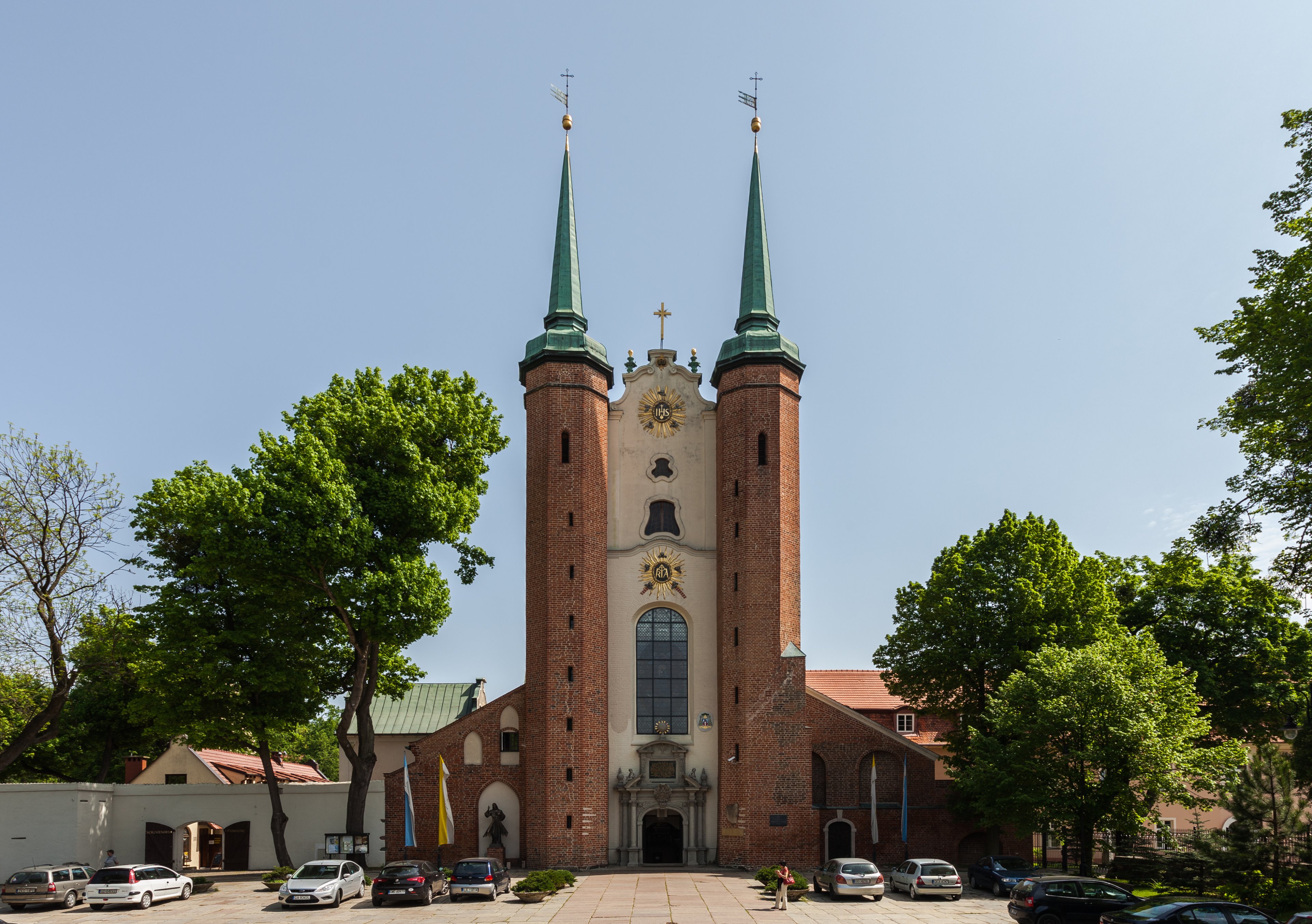
Oliwa Cathedral (the Archcathedral Basilica of the Holy Trinity) is one of the most important churches in Gdańsk and among the best-known sacred landmarks on the Polish coast. It stands in the Oliwa district, next to a former Cistercian monastery and a green park that invites a stroll before or after your visit. Since 2017 the site has held the status of a Polish Historic Monument.
How did the cathedral come to be?
The story begins in the late twelfth century. In 1186 Sambor I, Duke of Pomerania, founded a Cistercian monastery in Oliwa, and the history of the church began with it. The monks brought farming know-how, mills and granaries to Pomerania, living by the rule "ora et labora", pray and work. Over the following centuries the abbey grew, and the church was rebuilt and reshaped several times after fires and destruction. The present church was consecrated in 1594.
The twentieth century added new prestige. In 1976 Pope Paul VI raised the church to the dignity of a minor basilica, and in 1992 John Paul II established the Archdiocese of Gdańsk with its seat in Oliwa, making the basilica an archcathedral. Today it belongs to the Gdańsk Oliwa deanery and sits on Bishop Edmund Nowicki Street.
What to see inside
The star attraction is the Oliwa organ. Built between 1763 and 1788, it is impressively large: 83 stops, about 5,100 pipes, three manuals and a pedalboard, mechanical action and fourteen wedge-shaped bellows. It was created by the Cistercian monk and organ builder Johann Wilhelm Wulff, known as Brother Michael. The ornate Baroque organ case, with its moving angel figures, catches the eye from the moment you step inside.
The interior also impresses with a long, slender nave, vaulting and numerous altars from different periods. A Gothic structure combined with later Rococo additions makes for an interesting blend of styles that shows how the church evolved over the centuries.
Organ concerts
Organ concerts and demonstrations of the instrument take place all year round. They are the main reason so many visitors come here every year. Check the schedule before you go and arrive a little early to get a good seat, because music in such a large, resonant space is a memorable experience.
What else is nearby?
The former monastery, now linked to the Gdańsk seminary, houses the collections of the Diocesan Museum. Oliwa Park lies next door and is ideal for a quiet walk after the church. Oliwa is well connected to central Gdańsk and Sopot, so the cathedral fits easily into a full day exploring the Tri-City.
Frequently asked questions
Is the cathedral a listed monument? Yes, since 2017 it has been designated a Polish Historic Monument.
Who built the famous organ? It was built in the eighteenth century by the Cistercian organ builder Johann Wilhelm Wulff, also known as Brother Michael.
Are concerts held here? Yes, organ concerts are held throughout the year, so check the current programme before you arrive.
How much time should I plan? About an hour is enough for a relaxed look inside. If you add a concert, the museum and a walk in the park, plan half a day.
Is it a working church? Yes, it is an active archcathedral, so sightseeing may be limited during services, and quiet and modest dress are expected.
Nearby places

Earn badges for the places you visit
Download NextOnTrip, discover new places and check off your trails.