About this place
Valbonne is a former Carthusian monastery in the commune of Saint-Paulet-de-Caisson, in the Gard department of southern France. Tucked away in a wooded valley, the charterhouse housed Carthusian monks for roughly seven centuries, through isolation, destruction, rebuilding, and eventually a complete change of purpose. The monastic buildings still stand today and can be visited, even though monastic life there ended long ago.
Where does the name Valbonne come from?
Long before the Carthusians arrived, the valley held a small community of Benedictine nuns known as Notre-Dame de Bondilhon. Toward the end of the 12th century the nuns abandoned the site, judging the area too dangerous. When Carthusian monks later settled there, they found neglected, waterlogged ground. Years of drainage and cultivation turned it fertile, earning it the Latin name "vallis bona" — good valley — from which the modern name Valbonne derives.
When and by whom was the monastery founded?
The charterhouse is generally traced to the early 13th century, founded through an agreement with the bishop of Uzès, Guillaume de Vénéjean, who granted the Carthusians land to build on. It joined the houses affiliated with the Carthusian order founded by Saint Bruno at the Grande Chartreuse. A small group of monks first had to make the land habitable before devoting themselves fully to their contemplative life.
How did the monastery fare over the centuries?
The Hundred Years' War and banditry
The remoteness that suited a contemplative order became a liability in times of unrest. During the Hundred Years' War, armed bands roamed the French countryside, preying on isolated, poorly defended properties. Valbonne, undefended by nature, was repeatedly exposed to such raids.
Destruction during the Wars of Religion and reconstruction
The heaviest blow came in 1585, during the French Wars of Religion, when the monastery was pillaged and burned, destroying centuries of archives along with the buildings. The Grande Chartreuse sent new monks to rebuild the community; construction began in 1593, and the cells were ready roughly a decade later.
What happened to the monastery after the French Revolution?
The French Revolution brought the first chapter of monastic life at Valbonne to a close. On 1 October 1790, the last Carthusian father left the site, and the property passed into the hands of the state. Monastic life did not return until 1836, when the Carthusians repurchased the estate for 65,300 francs on 28 January and resumed community life there.
How did the monastic story of Valbonne end?
The final departure of the Carthusians came with the 1901 Combes law, which placed religious communities under state control. The monks of Valbonne refused to comply with the new restrictions and were forced into exile. The last prior, Dom Gorce, left Valbonne on 30 September 1901, bringing to an end nearly seven centuries of Carthusian presence at the site.
What is Valbonne today?
After the monks' departure, the buildings took on an entirely new role. In 1926, the property was acquired by an organization dedicated to aiding victims of tropical diseases, and from 1929 the former charterhouse served for years as a refuge for people affected by leprosy, later becoming a rehabilitation and reintegration facility. The same organization still owns the site today and maintains its historic buildings.
Frequently asked questions
Where exactly is Valbonne located? In the commune of Saint-Paulet-de-Caisson, in the Gard department, in the Occitania region of southern France.
Is this the same place as the town of Valbonne near Nice? No. That is an entirely different, unrelated location. The two places share a name only by coincidence, since both derive it from the same Latin phrase meaning "good valley."
Is this the same as the Valbonne abbey in the Pyrénées-Orientales? No, that is also a separate site, located in a different department and historically unconnected to this Carthusian monastery in Gard.
Do monks still live at Valbonne? No. Monastic life ended for good in 1901, and since the 1920s the site has served social and care purposes instead.
Where does the name Valbonne come from? From the Latin "vallis bona," meaning "good valley" — a name given to the site after monks drained and cultivated the previously neglected land.
Nearby places
-

Monastère de Solan
La Bastide-d'Engras
-
Chapelle Saint-Martin de Saint-Victor-la-Coste
Saint-Victor-la-Coste
-
Église Notre-Dame-du-Bosquet de Bouchet
Bouchet
-
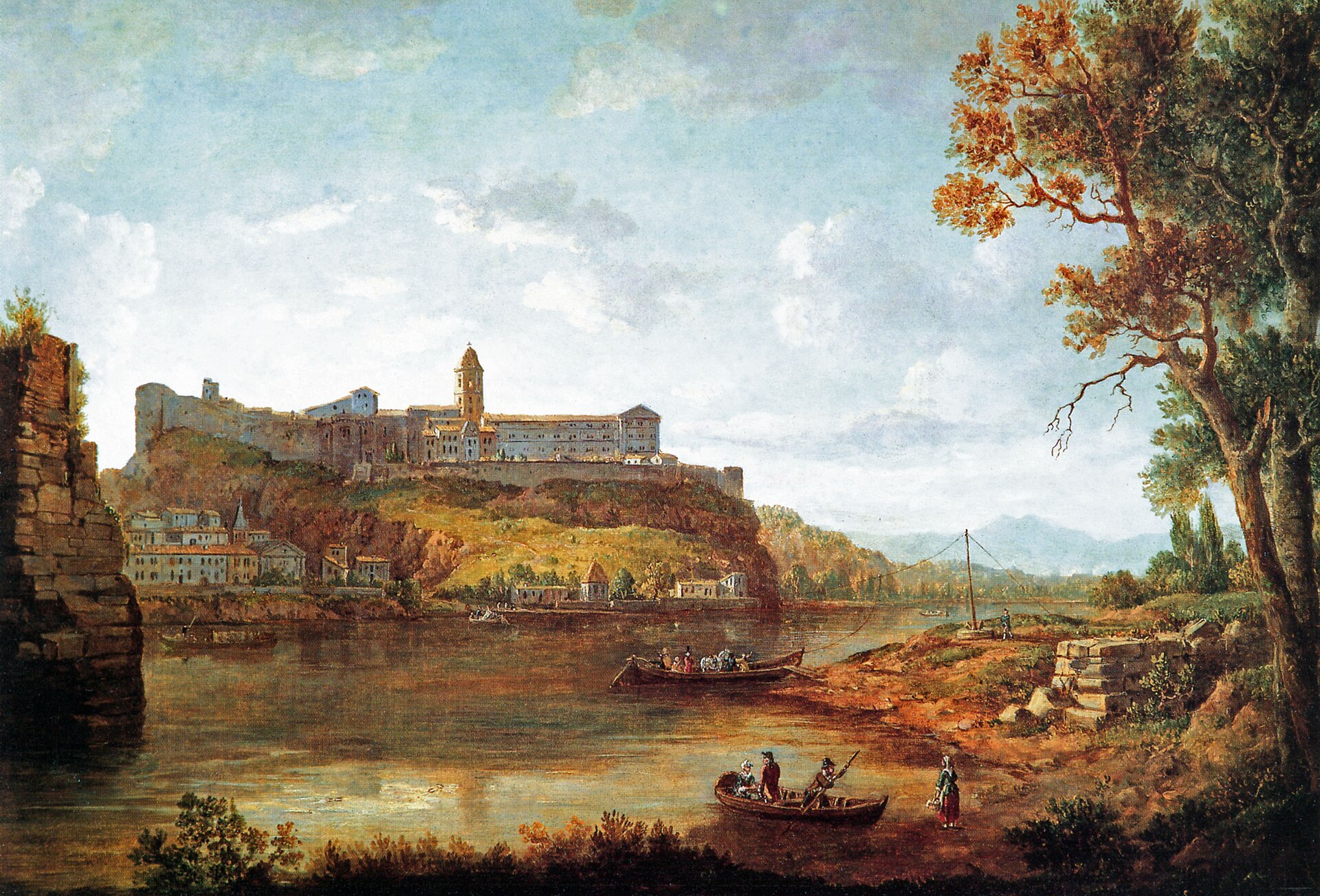
Abbaye Saint-André de Villeneuve-lès-Avignon
Villeneuve-lès-Avignon
-
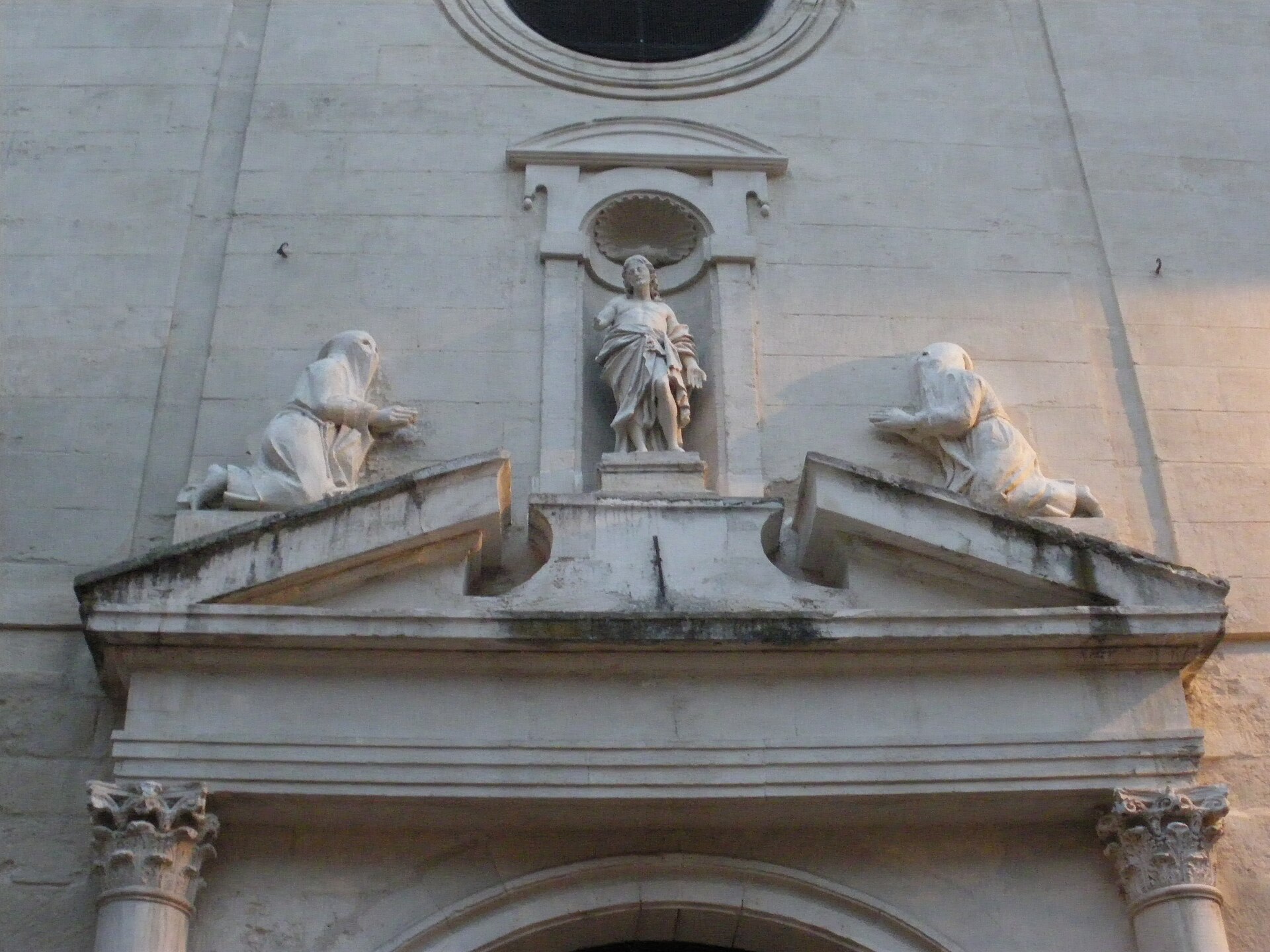
Notre-Dame-la-Principale church in Avignon
Avignon
-
Noviciat des jésuites (Avignon)
Awinion
Earn badges for the places you visit
Download NextOnTrip, discover new places and check off your trails.