- Sacred Monuments
- Religious monuments
Abbaye Saint-André de Villeneuve-lès-Avignon
About this place
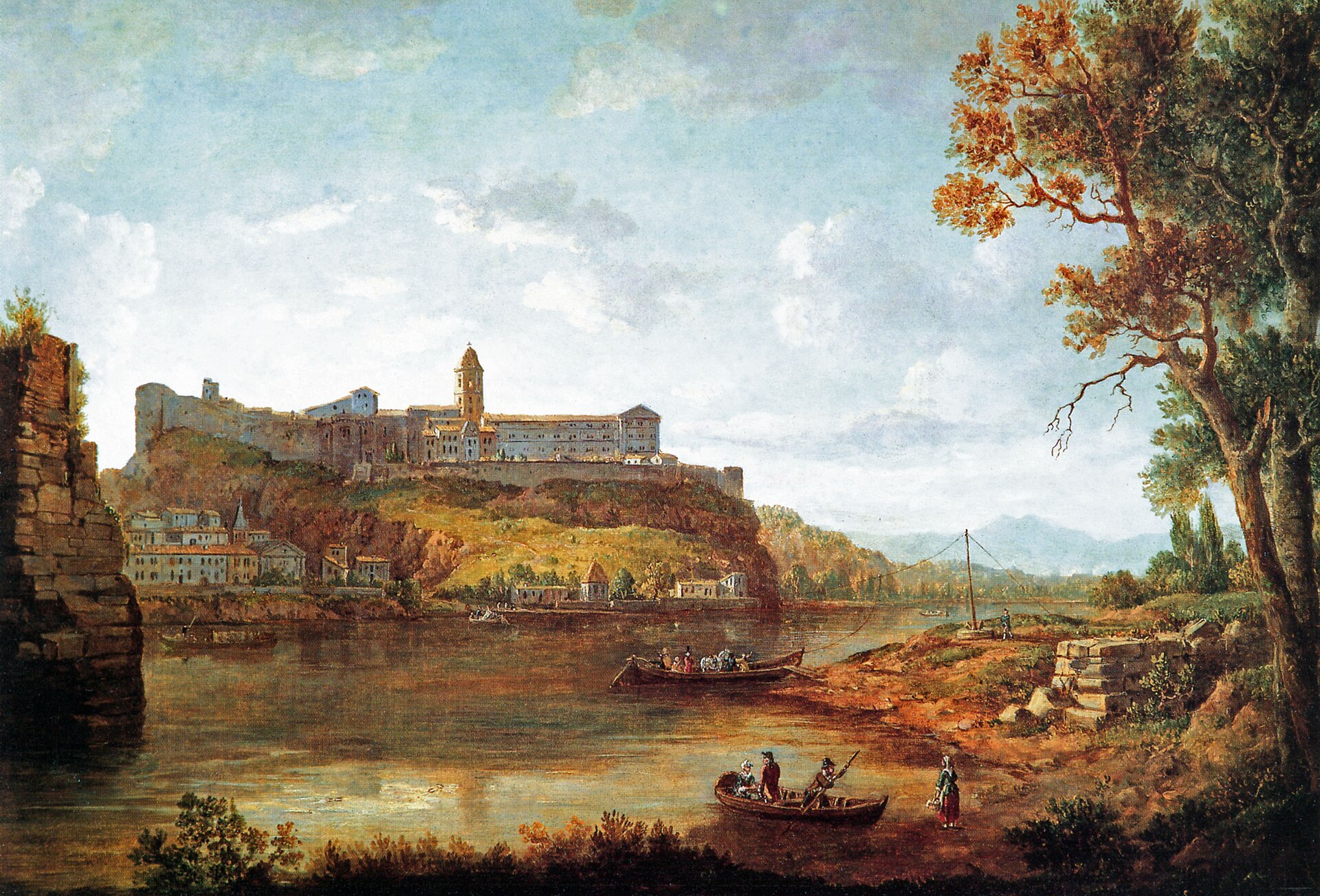
Saint-André Abbey sits atop Mont-Andaon in Villeneuve-lès-Avignon, in the Gard department, directly across the Rhône from Avignon. The former Benedictine abbey stands inside the walls of Fort Saint-André, a formidable medieval stronghold, and today the site is best known for its terraced gardens overlooking the Palace of the Popes.
How old is the abbey?
A Benedictine community settled on Mont-Andaon in the 10th century, on a site already linked to the 6th-century tomb of Saint Casarie. The abbey grew into one of the most powerful religious houses in the region, at its height overseeing more than 200 priories stretching from Uzès to Forcalquier. Little of the medieval fabric survives above ground today: the abbey buildings were largely rebuilt in the 17th and 18th centuries, following plans attributed to Pierre Mignard, and part of the complex was demolished after the French Revolution.
Why is the abbey enclosed by a fortress?
The fortress surrounding the abbey was no accident. In 1292, King Philip the Fair signed a paréage agreement granting him the right to build a fortified structure with a permanent garrison next to the monastery. Construction stalled for decades, largely because of unrest caused by roaming mercenary companies, and the bulk of Fort Saint-André was only completed in the 1360s, under King John the Good. The fort served two purposes at once: protecting the abbey and its adjoining town, and projecting French royal authority across the Rhône, which at the time marked the frontier with the papal territory of Avignon. Within its walls, the fort housed a standing garrison, a court of justice, and a prison.
What makes the gardens worth visiting?
The gardens of Saint-André Abbey earned France's "Remarkable Garden" label in 2014. Mediterranean planting, centuries-old olive trees and pines grow among the ruins of Romanesque chapels and tombs dating back to the 6th century. Below the abbatial palace lies a 16th-century Tuscan-style parterre, complete with basins, urns and sculptures, set beside a pergola covered in wisteria and roses. Further along a cypress-lined path, visitors reach one of the finest viewpoints over the Rhône valley, looking directly across at the Palace of the Popes in Avignon, with Mont Ventoux, the Luberon and the Alpilles visible on a clear day.
What else is nearby?
Fort Saint-André stands close to another major monument of Villeneuve-lès-Avignon: the Chartreuse du Val de Bénédiction, a charterhouse founded in the same town by Pope Innocent VI in the mid-14th century. Together, the fort, the abbey and the charterhouse form one of the richest historic clusters near Avignon, combining monastic, military and horticultural heritage in a single hilltop setting.
Frequently asked questions
Where exactly is Saint-André Abbey located? The abbey stands at the top of Mont-Andaon in Villeneuve-lès-Avignon, in the Gard department, within the walls of Fort Saint-André.
Are the abbey and the fort the same site? Not quite. Fort Saint-André is a 14th-century military stronghold, and the Benedictine abbey sits inside its enclosure. Visitors explore them as a single site, but they are two distinct structures with different historical roles.
What is the abbey's biggest draw for visitors? Its terraced "Remarkable Garden," combined with sweeping views over the Palace of the Popes and the Rhône valley.
When was the fortress around the abbey built? Construction was ordered by Philip the Fair in the late 13th century, but the main fortress was not completed until the 1360s, under John the Good.
Nearby places

Earn badges for the places you visit
Download NextOnTrip, discover new places and check off your trails.