About this place
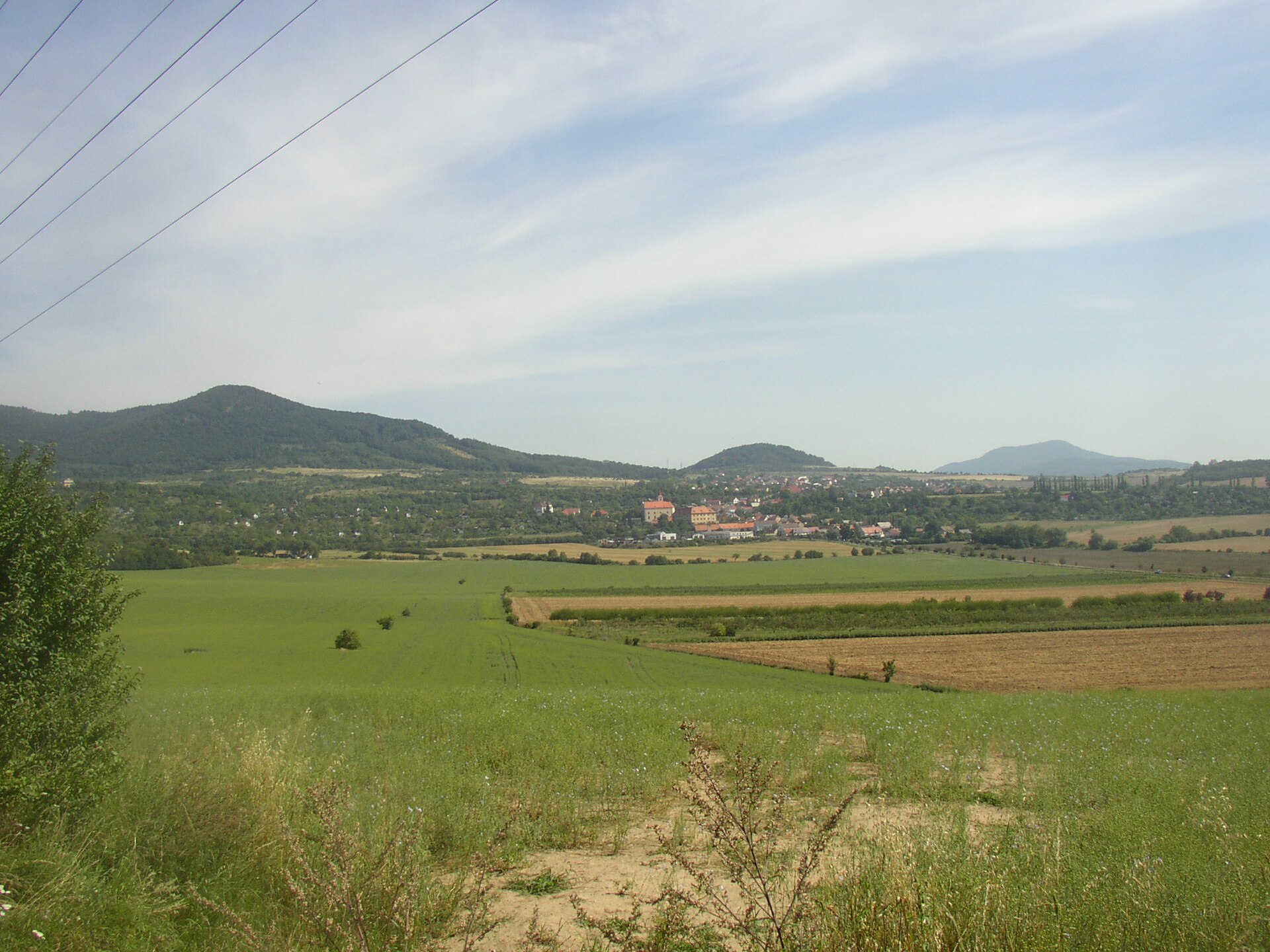
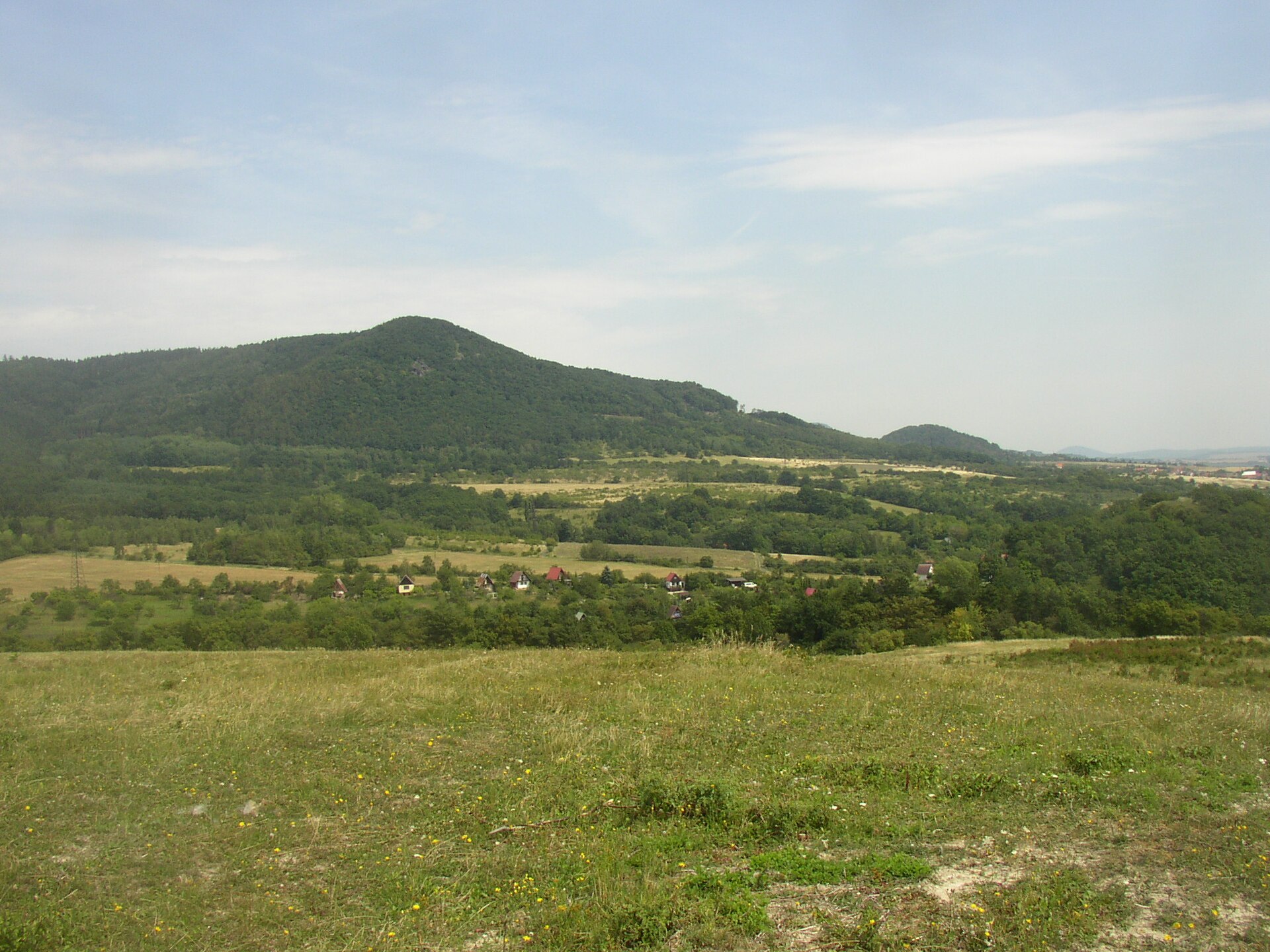
Sedlo is a sharp volcanic peak rising above the village of Mladé, right in the heart of the České středohoří (Bohemian Central Uplands) in northern Czechia. At 726 metres above sea level it ranks as the fourth-highest summit in the entire range and the tallest point of its Verneřice section — a hill known for a rocky ridge, wide-open views, and clear traces of an ancient volcanic past.
What will you see at the top?
Sedlo is really two peaks in one: the higher summit, also called Velké Sedlo (726 m), and the lower Malé Sedlo (534 m), joined by a narrow, sharp-edged ridge. That ridge is the mountain's signature feature — scattered with rock outcrops and scree fields, it demands careful footing in places, especially when the path is wet or icy. Basalt columns line parts of the crest, a direct sign of the massif's volcanic origin: Sedlo formed as a volcanic plug, the hardened core of an old volcano left standing once the softer surrounding rock eroded away. From the summit, the view opens onto the neighbouring hills of the Central Uplands and the Elbe valley, stretching much further on a clear day. Because rare plant species grow on its sunlit rocky slopes, the summit area has been protected as a nature reserve since 1968.
How to get there?
Many hikers start from the village of Třebušín, where a circular route of roughly 17 to 21 km climbs up to the ridge and back, depending on the variant chosen. A shorter approach begins right at the southern foot of the mountain, in Mladé itself — most paths onto the ridge start in its immediate vicinity. Mladé, now part of the Liběšice municipality, was first documented as far back as 1391, making it one of the older settlements in this corner of the Central Uplands. Parts of the ascent are steep, so it pays to plan the hike for dry weather — after rain, the paths can turn slippery and muddy.
When to visit?
Late spring through early autumn is the best window, with drier trails and the clearest views from the ridge. In summer, an early start helps you beat the heat on the exposed rocky sections. In autumn, the surrounding deciduous forest adds a splash of colour that makes the climb feel worthwhile. In winter, ice can make the rocky ridge genuinely hazardous, so it calls for experience and proper footwear.
Frequently asked questions
How high is Sedlo? The main summit, Velké Sedlo, reaches 726 m above sea level, making it the fourth-highest peak in the Bohemian Central Uplands. Its companion, Malé Sedlo, stands at 534 m.
Is the hike to the top difficult? The ridge itself can be demanding — rock outcrops and loose scree mean you need to watch your footing in places, especially after rain. The rest of the approach is a standard mountain trail.
Where's the best place to start a hike up Sedlo? The most popular starting point is the village of Třebušín, with a loop of 17–21 km, though a shorter route begins in Mladé, right at the mountain's foot.
Why is the summit protected? The area around Sedlo's ridge has been a nature reserve since 1968, set up to safeguard the rare plant species that grow on its rocky, sun-exposed slopes.
Nearby places

Earn badges for the places you visit
Download NextOnTrip, discover new places and check off your trails.