About this place
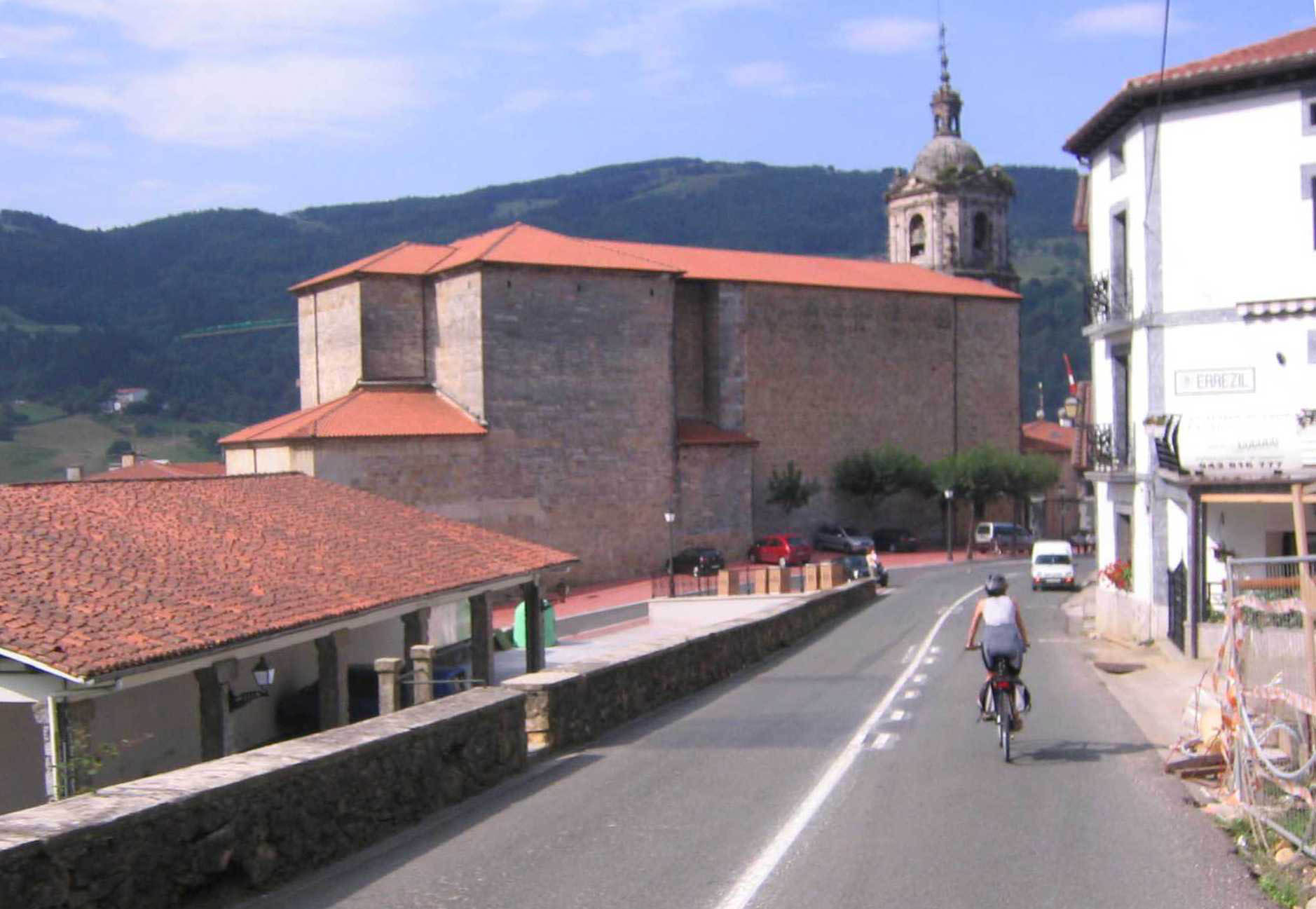
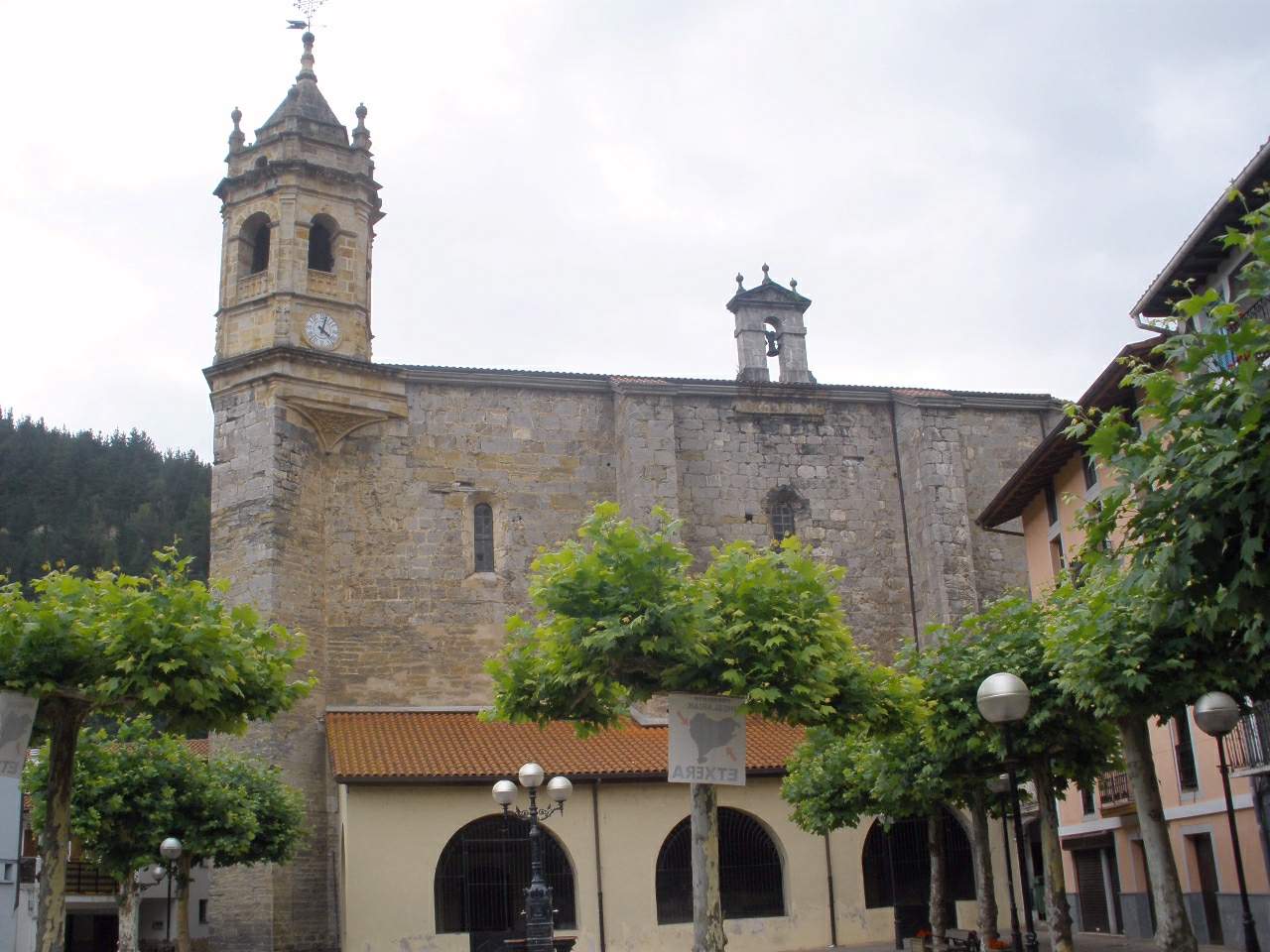
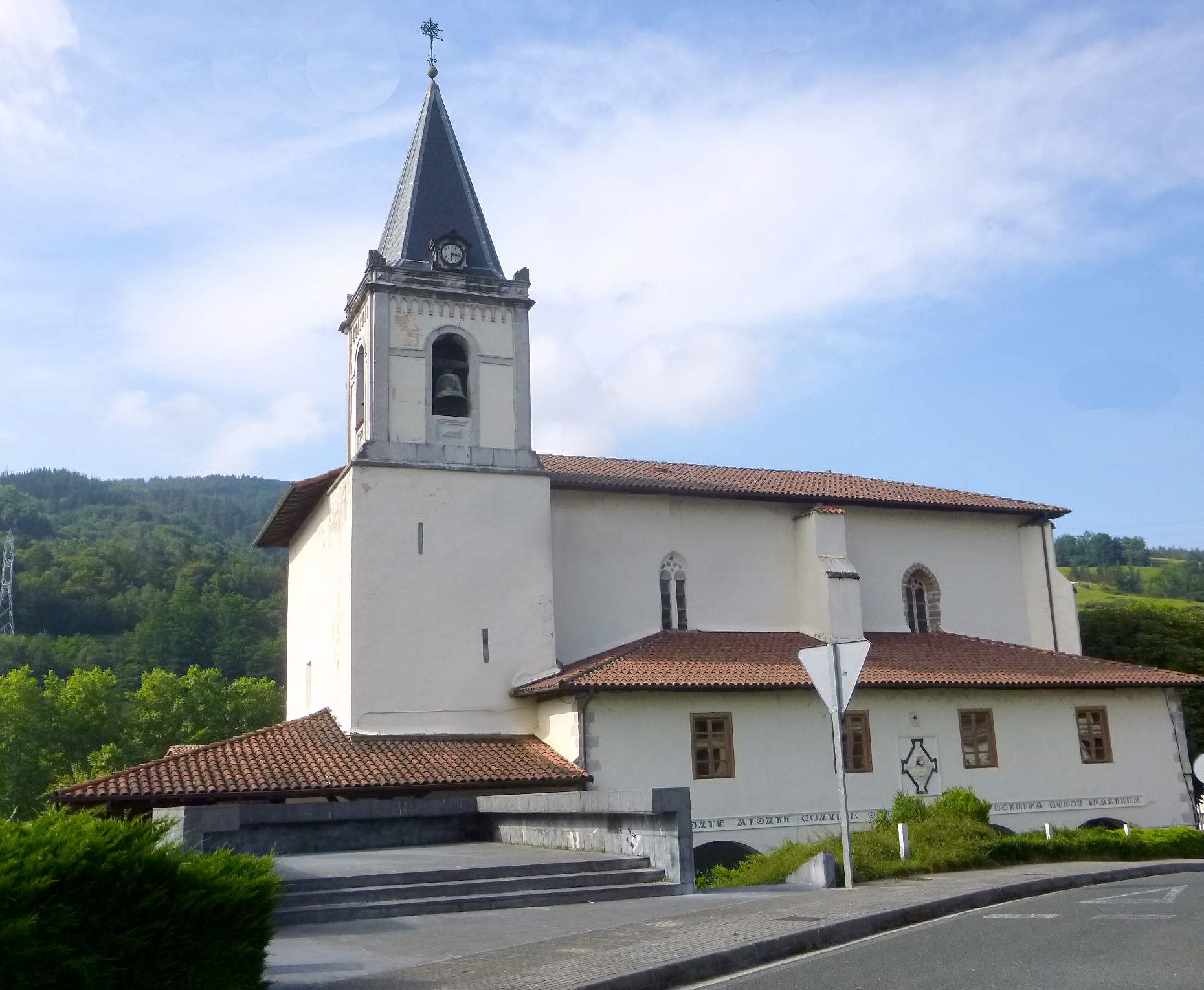
San Pedro Eliza stands at the center of Beizama, a small municipality in the province of Gipuzkoa, in the Basque Country. In Basque, "eliza" simply means "church," so the local name translates as the parish church of San Pedro (Saint Peter the Apostle). The building is regarded as the oldest structure still standing in Beizama and has anchored the life of this small community for centuries.
Where is San Pedro Eliza located?
The church sits within the urban core of Beizama, a municipality in the Urola Medio district, at an altitude of roughly 485 meters. That makes it the second-highest municipality in Gipuzkoa, behind only Bidegoian. The surrounding terrain is shaped by wooded hills and rolling ridges typical of the inland part of the province. The municipality covers 16.80 square kilometers and its population has hovered under 200 residents in recent years.
What is the history behind the church and the village?
Beizama's earliest documented mention dates back to 1027, in a text delimiting the boundaries of the diocese of Pamplona — one of the oldest written traces of the settlement. During the Middle Ages, the village formed part of the Alcaldía Mayor de Sayaz, a shared jurisdiction grouping five municipalities. In 1563, King Philip II granted each of them the right to elect its own mayor, giving Beizama greater administrative independence. The town also carried the title "Universidad Noble y Leal" (Noble and Loyal University) in older official records. Population figures shifted considerably over time — at one point the village counted around 720 people across 106 families, while by 2004 the number had dropped to 166 residents.
The church itself was built in stages between the 16th and 17th centuries, which explains its mix of styles: Renaissance forms dominate, combined with Gothic elements. Inside, a single nave is covered by ribbed vaults, while the classical-style facade is topped by a triangular pediment. The square tower, crowned with a hemispherical dome, was not finished until 1928 — the latest addition to the structure. A distinctive atrium stands in front of the entrance, a feature common to rural churches in this part of Gipuzkoa. Historically, the parish was served by one rector supported by two beneficiaries.
Is the church still an active parish?
Yes. San Pedro Eliza belongs to the Diocese of San Sebastián, within the Urola-Kosta deanery, and continues to function as an active parish. Sunday and holiday Mass is celebrated in the Basque language. Beizama holds its San Pedro patron saint festivities each year in late June, featuring music and communal gatherings — the moment when activity around the church peaks.
What else is worth knowing about Beizama?
Beyond the parish church, the municipality preserves other heritage sites: a town hall with a three-arch portico, and two chapels, the Ermita de San Lorenzo and the Ermita de Nuestra Señora de la Soledad. Remnants of past industrial activity are also visible nearby, including old mills, lime kilns, and charcoal-production sites, reflecting the economic history of this part of Gipuzkoa. Beizama remains one of the least populated municipalities in the region, surrounded by forest and hills, which has helped it retain a quiet, rural character.
Frequently Asked Questions
What does the name "San Pedro Eliza" mean? "Eliza" is the Basque word for church, so the name refers to the parish church of San Pedro (Saint Peter the Apostle) in Beizama.
When was the church built? It was constructed in stages between the 16th and 17th centuries in a Renaissance style with Gothic elements, while its tower was only completed in 1928.
Which diocese does the church belong to? San Pedro Eliza is part of the Diocese of San Sebastián, in the Urola-Kosta deanery, and remains an active parish with Sunday Mass celebrated in Basque.
Are there other sites worth seeing in Beizama? Yes — the town hall with its three-arch portico, two chapels (Ermita de San Lorenzo and Ermita de Nuestra Señora de la Soledad), and nearby remains of old mills and lime kilns.
Nearby places

Earn badges for the places you visit
Download NextOnTrip, discover new places and check off your trails.