About this place
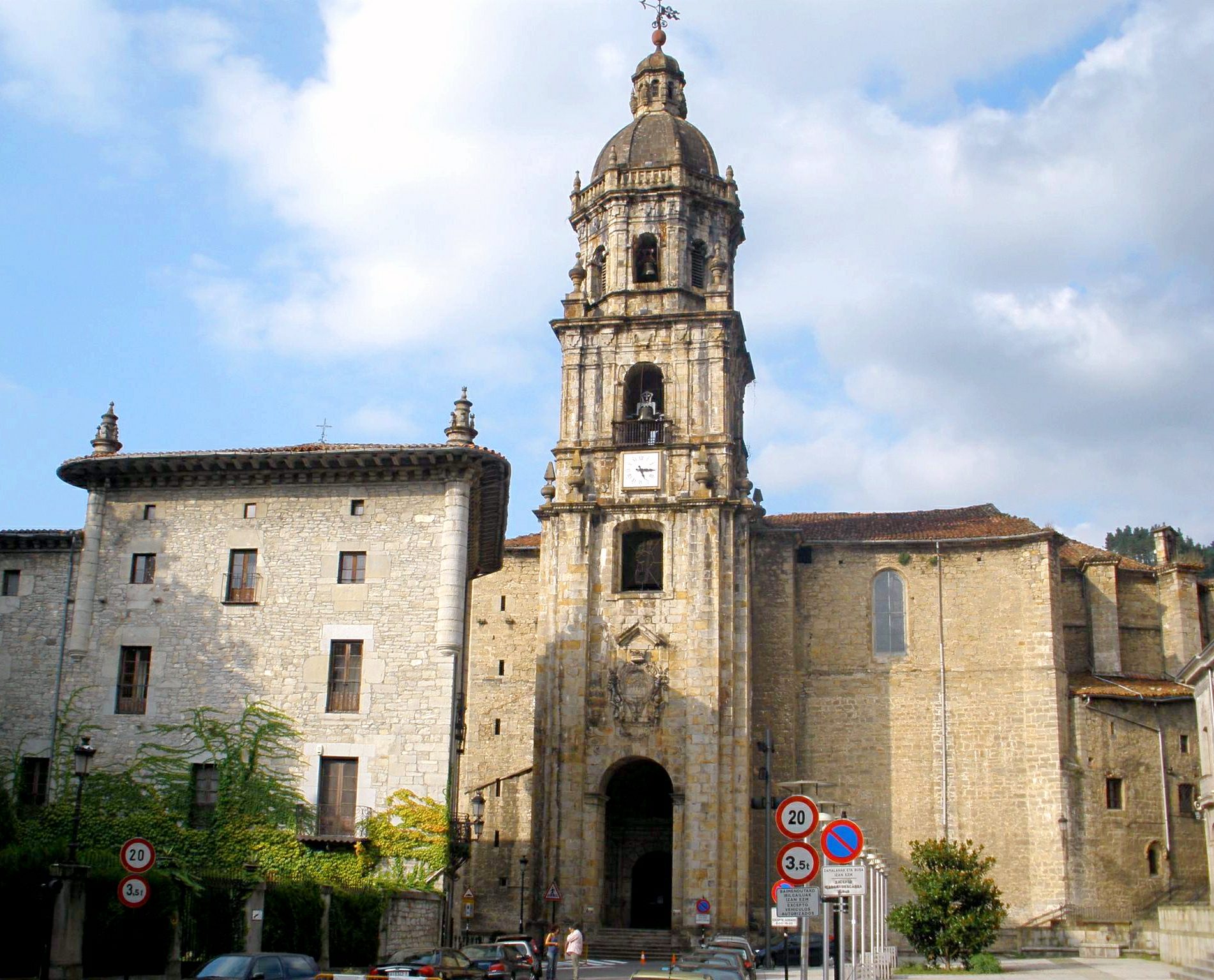
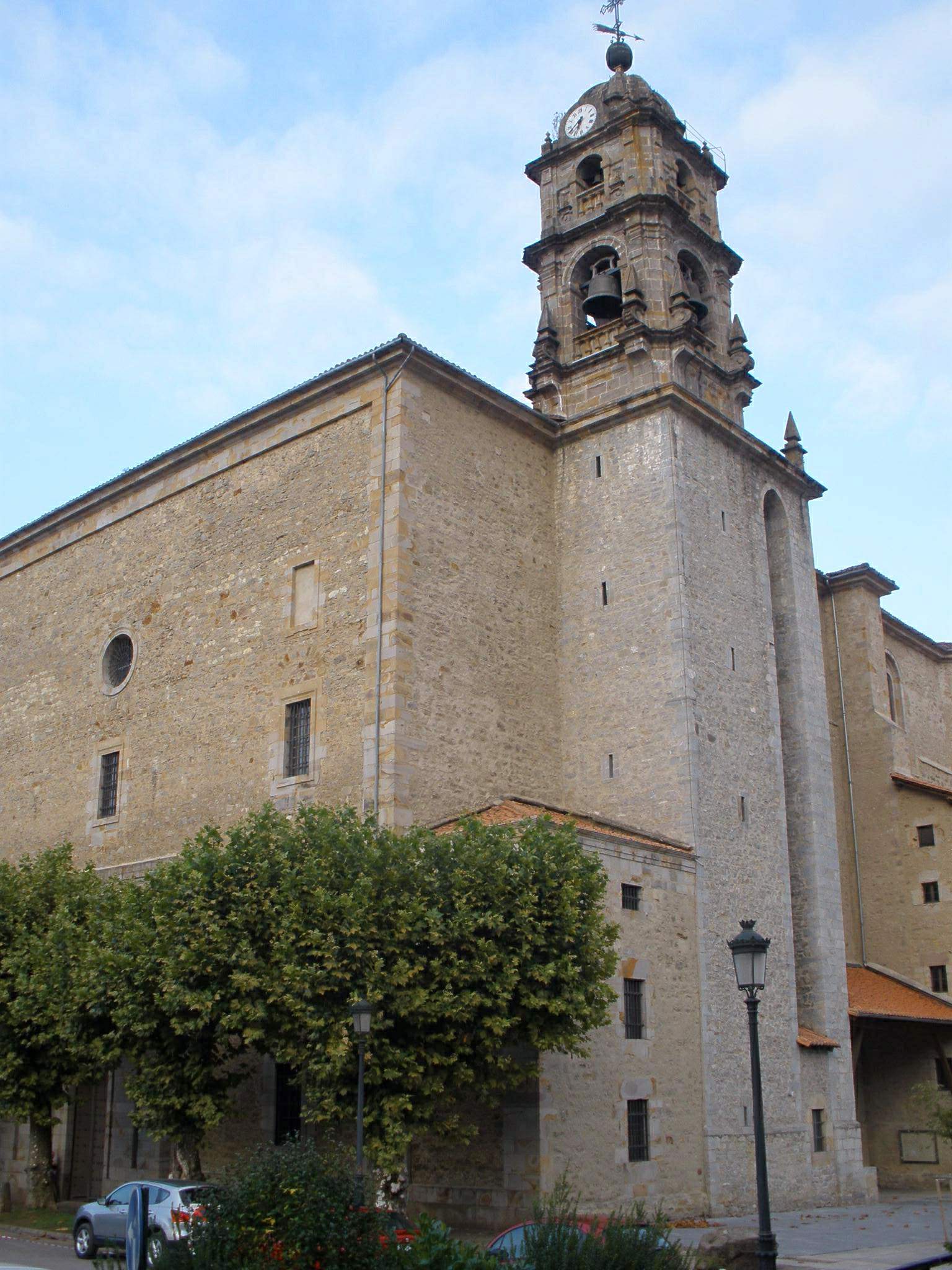
The Hermitage of Santa María (Ermita de Santa María) in Zumarraga is one of the oldest and most distinctive religious buildings in the Basque Country. Dating back to the 15th century, this stone chapel in the municipality of Zumarraga, in the province of Gipuzkoa, is sometimes referred to as the "cathedral of Basque hermitages" — a nickname that speaks to its cultural weight rather than its physical size.
Why is it called "Antigua"?
Officially dedicated to the Visitation of Saint Elizabeth, the hermitage is almost always known locally by a different name: Antigua, meaning "Old One." Historians offer two explanations for this nickname. One ties it to the sheer age of the building, one of the oldest surviving religious structures in the area. The other points to its former role: before Zumarraga had its own parish church, this hermitage served that function, and after parish duties moved elsewhere, it kept its place in local memory as the town's original, "old" church.
What is its place on the pilgrimage route?
The hermitage is not an isolated monument — it forms part of a broader spiritual route, the Route of the Three Temples of Ignatian Land. This trail links three sites central to the religious identity of the region: the hermitage in Zumarraga itself, the Sanctuary of Loyola (birthplace of Saint Ignatius, founder of the Jesuit order), and the Sanctuary of Arantzazu, one of the most significant Marian shrines in the Basque Country. For many visitors, the hermitage marks the first or last stop on this route, tying the region's religious history to its landscape, from the valleys of Gipuzkoa up to mountain sanctuaries.
What should you know before visiting?
Zumarraga sits in Gipuzkoa province, in the heart of the Basque Country, an area known for its dense network of walking routes and religious buildings scattered across hills and valleys. Despite its modest scale compared to major cathedrals, the hermitage stands out for an architectural style typical of rural Basque churches: austere stone construction shaped by the local climate and building traditions. It is precisely this combination of humility and centuries-old history that puts the site on par with larger regional sanctuaries, even though it never matched them in size.
Travelers following the Ignatian Land route often treat the hermitage as a starting point for understanding local religious life — a place where the town's parish history intersects with a wider regional pilgrimage tradition. Because it remains an active place of worship, access can vary depending on services and local events, so it's worth checking current conditions before planning a visit.
What else makes it notable?
The fact that a small rural chapel earned the nickname of a "cathedral" among Basque hermitages says a great deal about its status in local identity. This blend of modest architecture with outsized symbolic importance is common across religious sites in this part of Spain, where rural devotion has coexisted with major pilgrimage routes for centuries.
Frequently asked questions
What is the Hermitage of Santa María in Zumarraga dedicated to? It is officially dedicated to the Visitation of Saint Elizabeth, though it is widely known by its nickname, Antigua ("Old One").
Where does the name "Antigua" come from? There are two theories: it may refer to the building's age as one of the oldest in the region, or to its former role as Zumarraga's original parish church.
How does the hermitage connect to the Route of the Three Temples? It is one of three key stops on this pilgrimage route, alongside the Sanctuary of Loyola and the Sanctuary of Arantzazu, together forming the spiritual trail of Ignatian Land.
Where exactly is the hermitage located? In the municipality of Zumarraga, in the province of Gipuzkoa, within the autonomous community of the Basque Country in northern Spain.
Nearby places

Earn badges for the places you visit
Download NextOnTrip, discover new places and check off your trails.