About this place
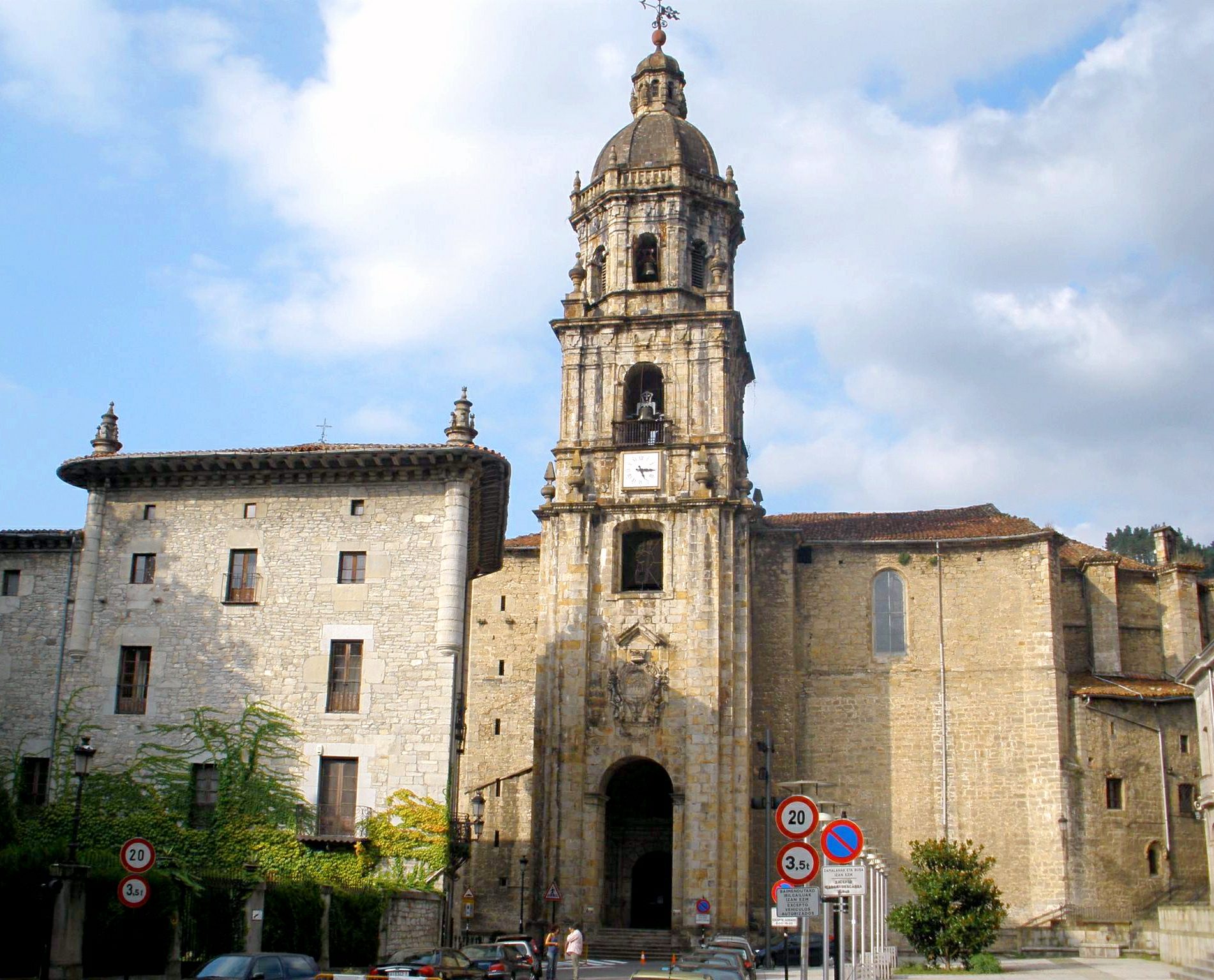
The Church of San Martín de Tours stands in Urretxu, a small town in Gipuzkoa, in the heart of the Basque Country. Facing Iparragirre square, right in the town's historic core, it is one of the region's oldest and architecturally most distinctive parish churches.
How old is the church?
The oldest parts of the building date back to the second half of the 14th century, and some historians believe the structure may even predate the official founding of Urretxu itself. Its heavy, austere original form was no accident: from the outset, the church was built to serve both as a place of worship and as part of the town's defenses. Restoration work carried out in 1984 uncovered arrow slits in the walls facing inward toward the town, confirming that the building once played a role in Urretxu's fortifications.
What architectural style does it follow?
The church follows the layout typical of medieval Basque parish churches: a tall central nave flanked by two lower side aisles fitted with elevated galleries, from which worshippers could follow services from above. The lower sections of the walls are built from cut sandstone blocks, while the upper structure relies on a timber frame using heavy oak beams. This combination of stone and wood construction is characteristic of religious buildings from this period in Gipuzkoa.
What makes this church stand out?
The building's most notable feature is its wooden dome, added in the mid-16th century and designed by Juan de Lizarazu, a sculptor and architect from the local area. A timber dome of this kind is considered unusual among churches of comparable rank across all of Gipuzkoa, and it remains the most striking Renaissance addition to the structure. It was during the 16th century that the church essentially took on the form it retains today, even though later centuries brought further changes.
How has the church changed over the centuries?
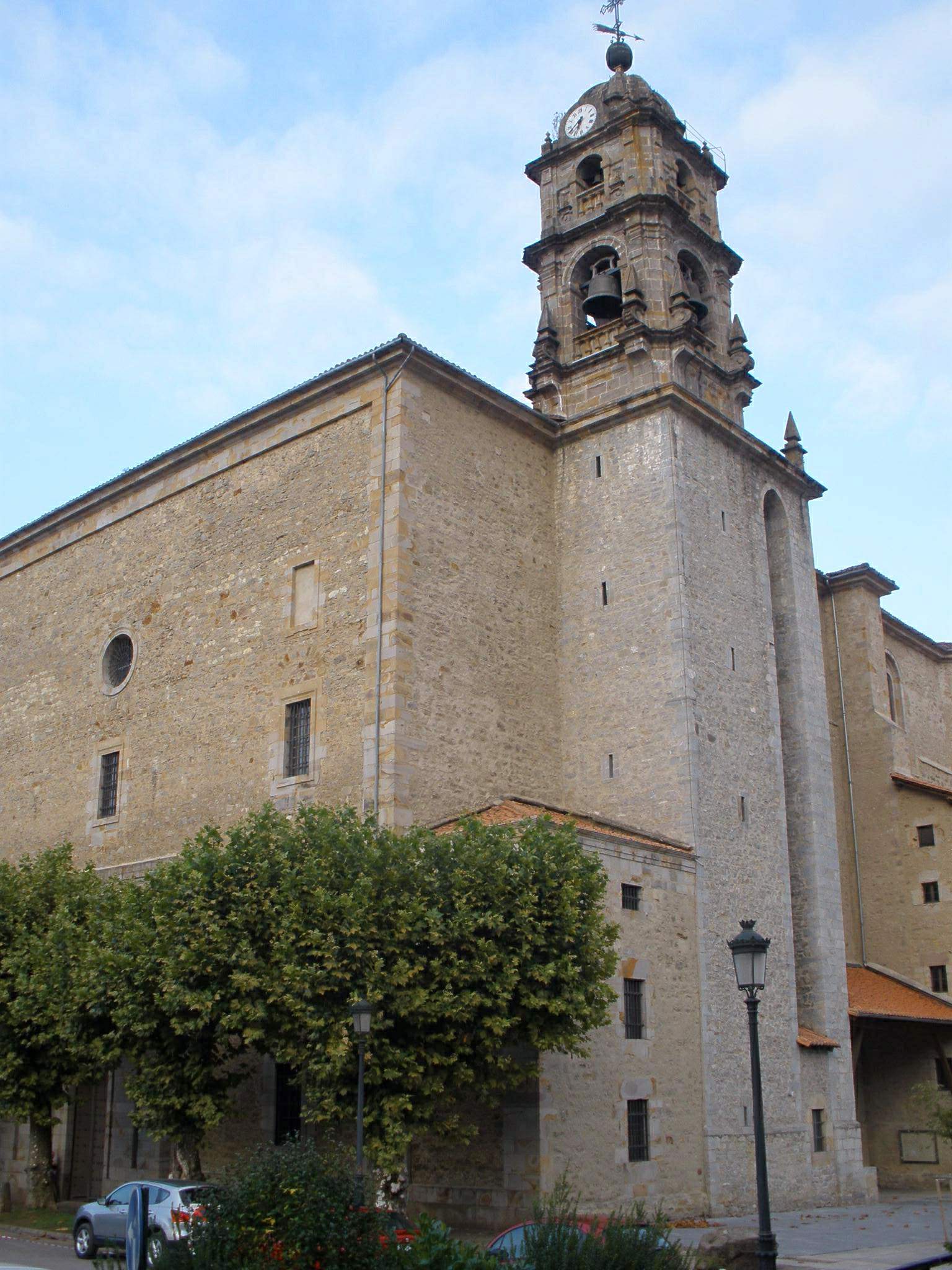
A bell tower was added in the 18th century, giving the façade a more imposing presence. A far more disruptive change came in 1861, when the original apse was torn down to make way for the road connecting the town to Azkoitia. That 19th-century infrastructure project permanently altered the layout of the church's eastern end.
Why is the Church of San Martín de Tours worth a visit?
For anyone interested in Basque religious architecture, the church packs several historical layers into a single building: a defensively-minded medieval core, a rare Renaissance timber dome, and later modifications driven by road building and urban growth. The arrow slits found during the 1984 restoration are a reminder that small-town Basque churches often led a double life as fortified structures, and this church preserves that history unusually well. Sitting at the center of Urretxu, it fits naturally into any walk through the town's old quarter.
Frequently Asked Questions
How old is the oldest part of the church? The earliest sections date to the second half of the 14th century, and some historians think the building may have existed before Urretxu was formally founded.
What was discovered during the 1984 restoration? Workers found arrow slits built into the walls, facing toward the town's interior — evidence that the church once served a defensive purpose as well as a religious one.
What is the most distinctive feature inside the church? Its mid-16th-century wooden dome, designed by local architect and sculptor Juan de Lizarazu, considered unique among churches of similar rank in Gipuzkoa.
Why did the church's shape change in the 19th century? In 1861 the apse was demolished to make room for the road to Azkoitia, one of the routes connecting nearby Basque towns.
Nearby places

Earn badges for the places you visit
Download NextOnTrip, discover new places and check off your trails.