About this place
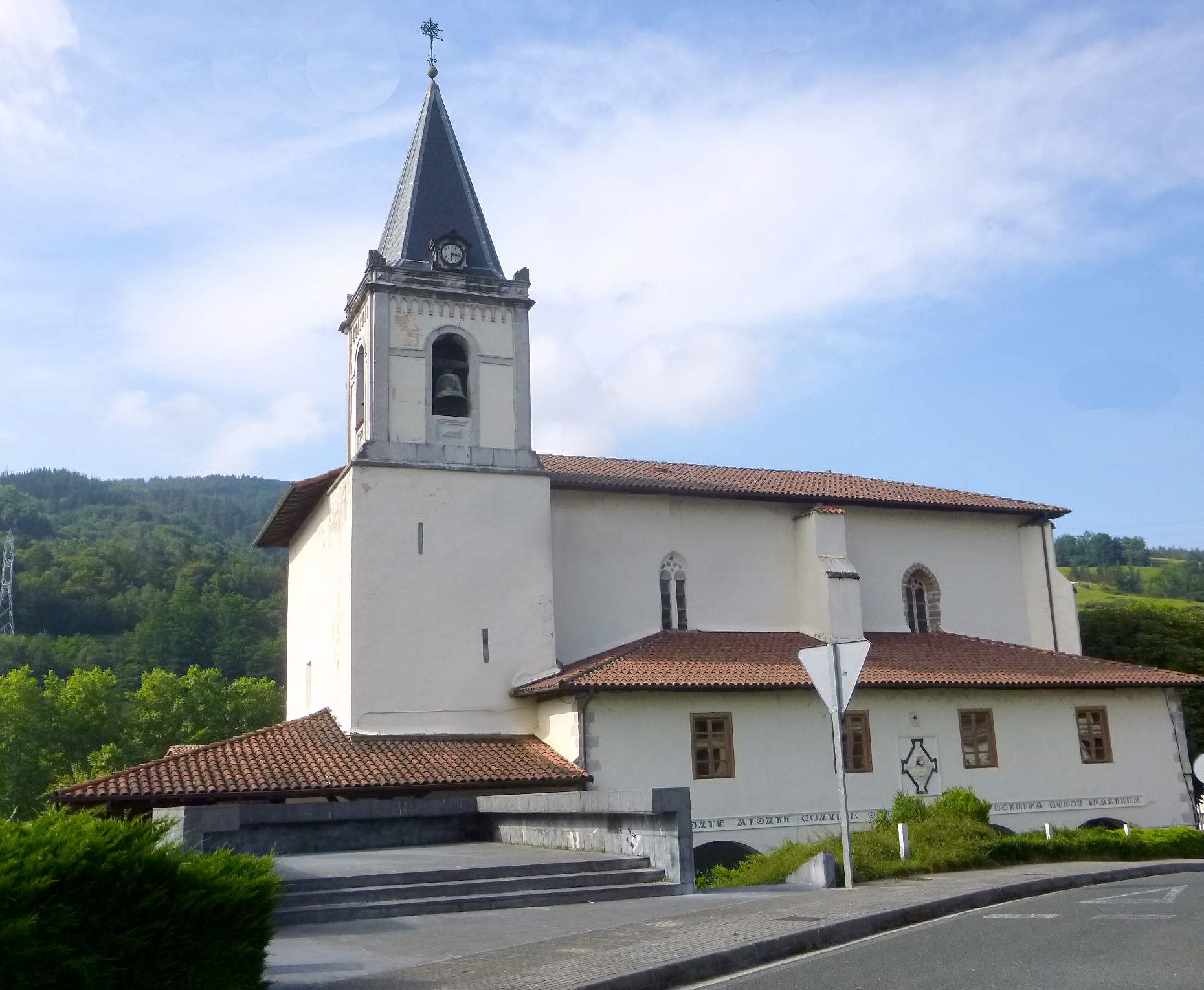
San Bartolomé is a modest hermitage in Ordizia, in the Basque Country, standing on the bank of the Oria river along the old road to Lazkao. A railway line built in the late 19th century now separates it from the town center, but for centuries this humble building stood at the spiritual heart of the settlement that grew into Villafranca de Ordizia.
Why does this hermitage matter to the history of Ordizia?
Local tradition holds that the original settlement core once stood near the hermitage, before the town of Villafranca was even founded. Archaeological excavations carried out in the 1980s backed up that tradition: burials and building remains were found dating back to the early Middle Ages, predating the town's foundation in 1268. That means a community already existed and gathered around San Bartolomé before Villafranca existed as a town at all — and the hermitage served as its parish church.
What did archaeologists actually find here?
The digs revealed that at least three successive buildings once stood on this exact spot. The oldest dates to no later than the 11th or 12th century. A second building followed the founding of Villafranca. A third was contemporary with the burning of the town in 1512, and the current structure dates from the 19th century. Archaeologists also uncovered the remains of a furnace used for bell-casting, which worked as a mold into which molten bronze was poured, along with a complete clay-built grave containing human remains, dated to the 12th or 13th century — a stone placed on each side of the skull, a burial style typical of that period. Later excavation campaigns turned up further graves on the same site.
What does the documentary record say?
The earliest written mention of San Bartolomé appears in the record book of the Confraternity of Santa Ana, dated 1509. It states that on July 26 of that year the brotherhood's statutes were approved "in the church of San Bartholome de herdizia" — the oldest surviving written reference to the site, even though the archaeological evidence shows its history stretches back much further.
How did the hermitage's role change over time?
Houses and gardens gradually grew up around San Bartolomé, and the site became an important gathering point for the community, hosting Mass, fairs, and local festivals. Its importance began to fade from the 19th century onward, when the town cemetery was relocated next to it, turning the spot into a quieter place associated with remembrance rather than communal celebration.
What should visitors know before going?
San Bartolomé is not a large or monumental church — its real value lies in what excavations have uncovered beneath its foundations. The archaeological layers expose several historical periods stacked on top of one another: an early medieval settlement, followed by medieval and early modern buildings, and finally the 19th-century structure still standing today. It is one of the few places in the region where the settlement continuity predating the town's founding has been so thoroughly documented.
Frequently Asked Questions
Is San Bartolomé the parish church of Ordizia? Not today — it is a hermitage (ermita). Tradition, backed by archaeological findings, holds it was the parish church of the original settlement that later grew into Villafranca de Ordizia.
How many buildings have stood on this site over the centuries? Excavations uncovered remains of at least three earlier buildings preceding the current 19th-century structure, with the oldest dating back to the 11th or 12th century.
Where exactly is the hermitage located? It stands on the bank of the Oria river along the old road to Lazkao, on lower ground than the center of Villafranca de Ordizia, now separated from town by a railway line built in the late 19th century.
Can the excavation site be visited? The hermitage has become one of the key places for learning about the history of Villafranca de Ordizia, and archaeological findings from the site are regularly reported by local media and the town council.
Nearby places

Earn badges for the places you visit
Download NextOnTrip, discover new places and check off your trails.