About this place
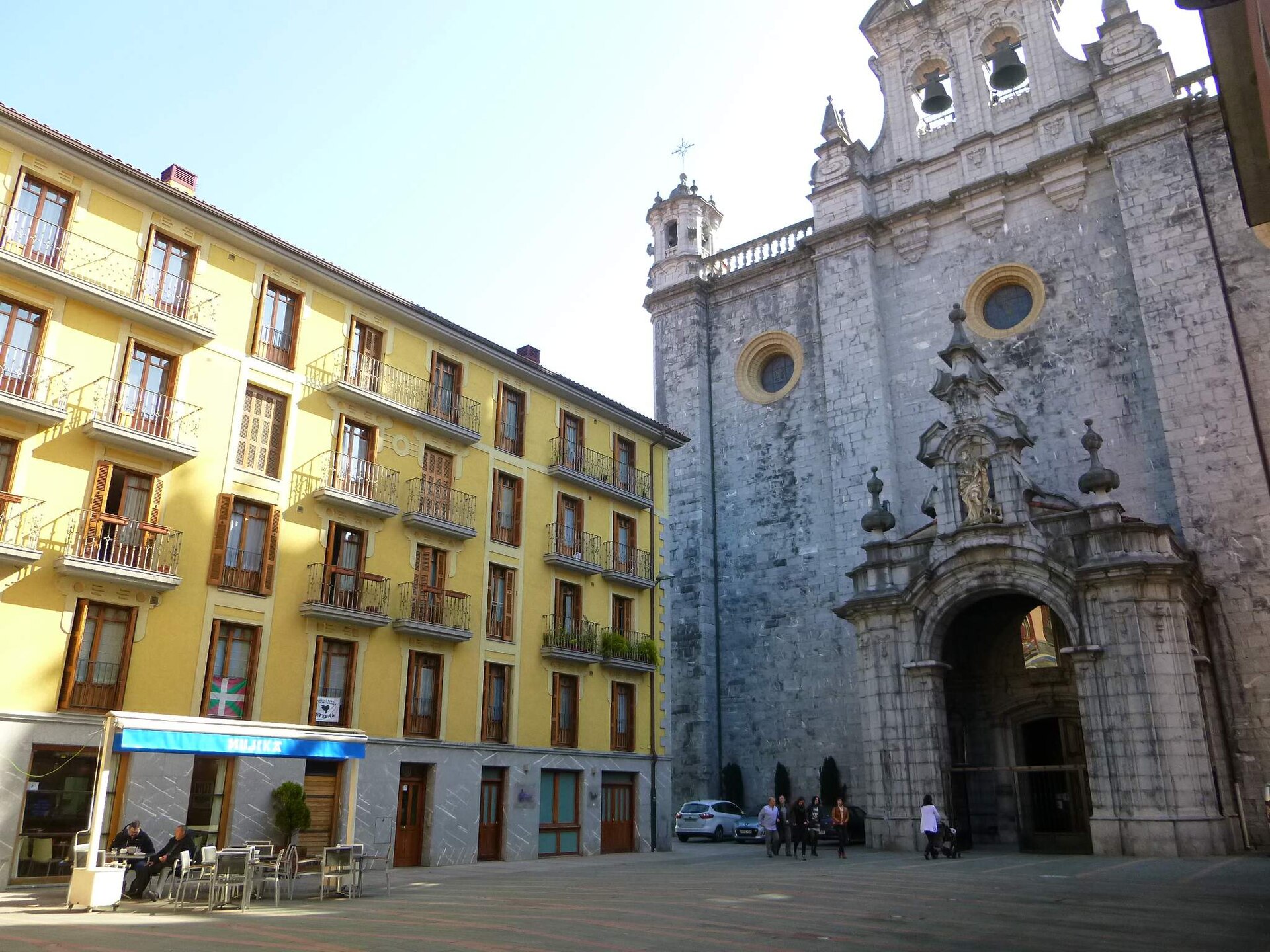
Nuestra Señora de la Asunción is the parish church of Albiztur, a small municipality in the province of Gipuzkoa, in Spain's Basque Country. The Basque word "eliza" simply means "church," and it appears alongside the Spanish name in the village's bilingual place naming, reflecting the building's role as the religious heart of the community for more than three centuries.
How do you get there?
Albiztur sits inland in Gipuzkoa, surrounded by the rolling green hills typical of the wider Tolosaldea area of the Basque Country. The church stands at the center of the village and serves as its parish temple, making it an easy landmark for anyone passing through. The most practical way to arrive is by car, following the local roads that connect Albiztur to the neighboring towns of the Tolosaldea district.
What will you see?
The building standing today was largely constructed at the turn of the 17th and 18th centuries, raised over the remains of an earlier church that previously occupied the site. Construction work was contracted in 1659 to Juan de Zunzunegui of Tolosa, following plans drawn up by Miguel de Abaria of Beasain. The project was not without setbacks: in 1674, the roofs and part of the newly built stonework collapsed, triggering disputes over responsibility between the commissioners and the builder. Despite this, the main stone structure and carpentry work were completed by 1705, with decoration and altar work continuing in the years that followed.
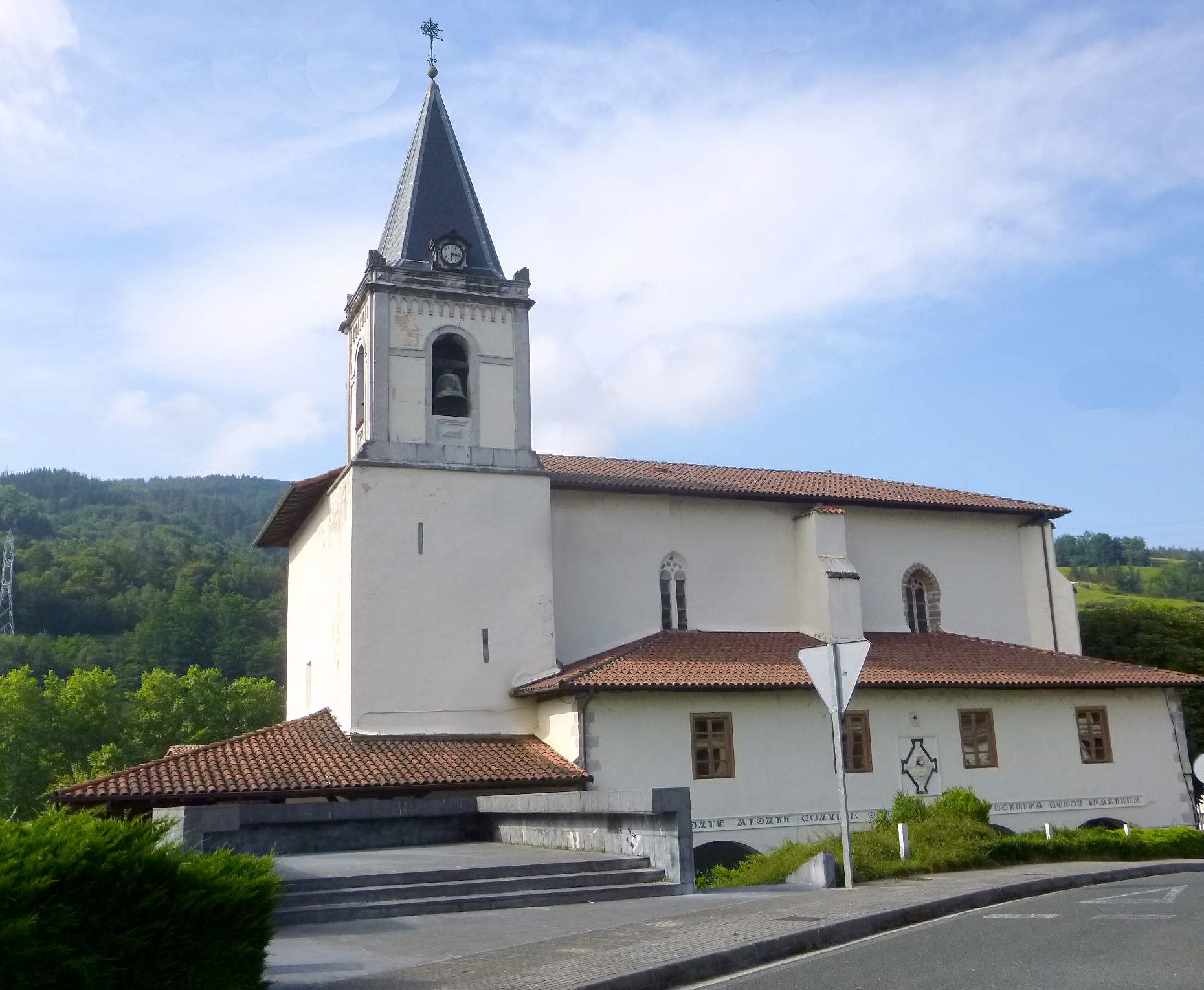
The church is built in the baroque style. One of its more distinctive architectural features is a pair of stone-dressed doorways set into the corners of the building, rather than the single axial entrance typical of many parish churches. The walls are built from dressed stone blocks (sillares), and a covered portico runs along the sides and lower section of the building, a practical feature sheltering visitors from rain and sun that is common in the region's rural religious architecture.
At some later point, the roof suffered further damage and required rebuilding; the reconstruction that gave the church its present form was directed by Lucas de Longa, whose work shaped the building much as it stands today.
Historically, the parish was served by a rector supported by four beneficiaries, a clerical staff whose size reflects the importance the church once held for Albiztur and its surrounding settlements.
When should you visit?
As an active parish church, it is generally accessible around service times. Spring and early autumn are the best seasons for exploring the village and its surroundings at a relaxed pace, when the Basque hills turn a deep green and temperatures are comfortable for walking through Gipuzkoa. Summer draws more visitors to the region overall but also brings warmer weather and busier trails nearby.
Frequently asked questions
What does "eliza" mean in the church's name? It is the Basque word for "church," commonly used alongside the Spanish "iglesia" in the bilingual naming conventions of Basque villages.
When was the church built? The current structure was largely built between 1659 and 1705, on the site of an earlier church, following plans by Miguel de Abaria.
What architectural style does it follow? The church follows the baroque style, typical of many rural parish churches built in Gipuzkoa during this period.
What makes the building architecturally distinctive? Its two stone corner doorways and the covered portico running along the sides and lower part of the building, both departures from the more standard parish church layout.
Nearby places

Earn badges for the places you visit
Download NextOnTrip, discover new places and check off your trails.