About this place
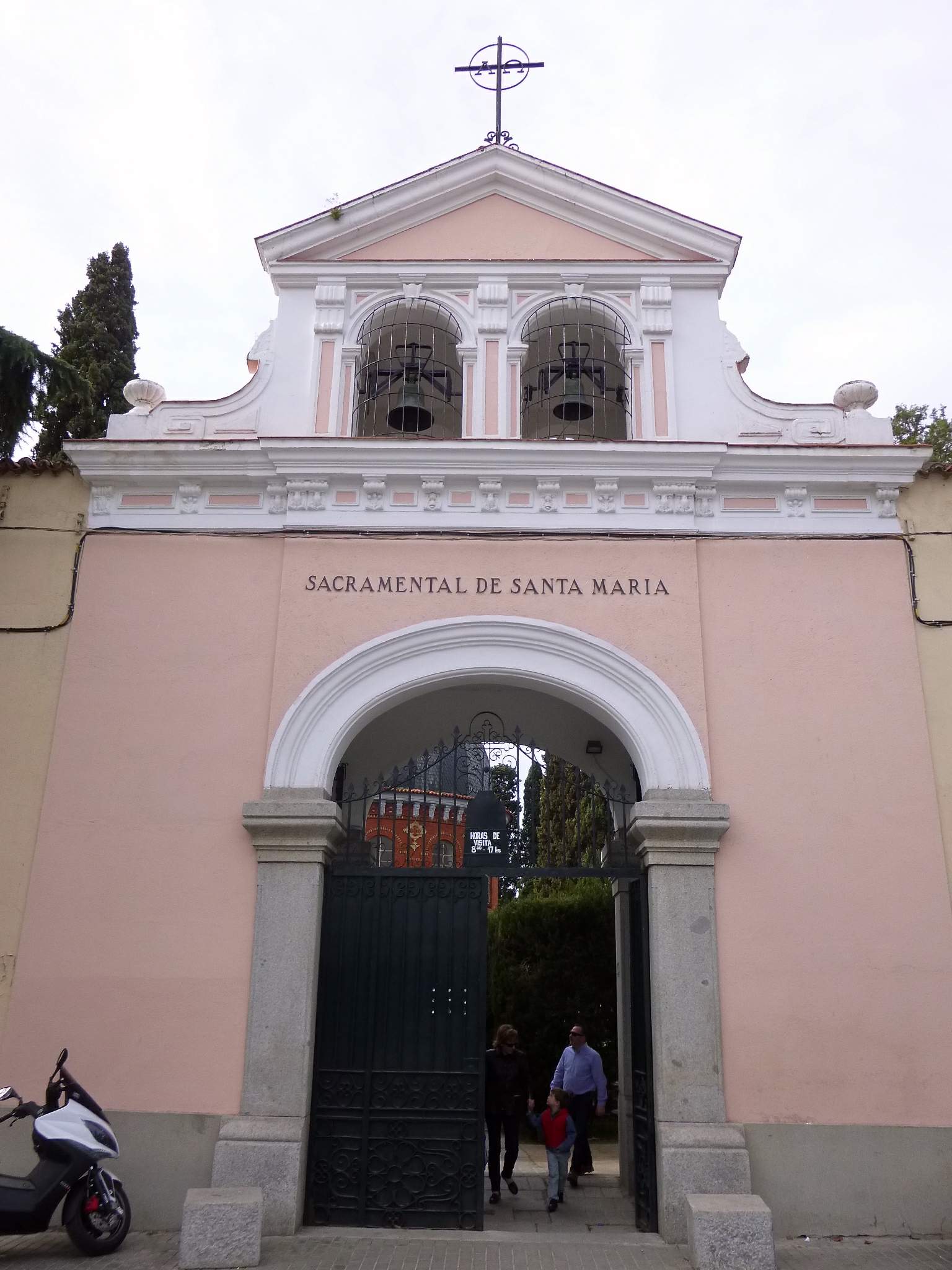
San Isidro Cemetery is one of Madrid's oldest and most architecturally rich burial grounds, sitting on the eastern bank of the Manzanares river. It was founded as a direct response to a royal decree issued by Charles III in 1787, which banned burials inside churches and within city limits for health reasons. The foundation stone was laid in March 1811, and by the summer of that same year the site had already been blessed by Madrid's vicar and had received its first burial.
Where does the cemetery's name come from?
The cemetery was established by the Royal Sacramental Brotherhood of San Pedro, San Andrés, San Isidro and the Immaculate Conception — a religious confraternity tasked with organizing burials for its members once traditional parish burial grounds were closed. It takes its name from San Isidro, the farmer-saint who is also the patron of Madrid.
How did the grounds grow over time?
The first courtyard was designed by architect José Llorente, but the number of burials soon outgrew the available space. By the 1840s two additional sections, designed by José Alejandro Álvarez, had already opened. In the second half of the 19th century, the Patio de la Concepción was added — a courtyard designed by Francisco Enríquez y Ferrer that came to house some of the most lavish family pantheons on the entire site. This gradual expansion turned the cemetery into a layered record of nearly two centuries of architectural styles.
What can visitors see today?
San Isidro is best known for the sheer richness of its funerary architecture — pantheons, burial chapels and sculptures spanning styles from classicism to late-19th-century eclecticism. It is precisely this density and quality of sepulchral art that has earned the site a reputation as one of the most interesting cemeteries in Europe from an artistic standpoint. Walking its avenues offers a way to trace the shifting burial customs of Madrid's aristocracy and bourgeoisie across the 19th and 20th centuries.
What is its status today?
Because of its undeniable artistic value and the sheer number of architectural and sculptural elements it contains, the Sacramental Cemetery of San Isidro has been declared a Heritage Asset (Bien de Interés Cultural) and recognized as a Historic Cemetery of Madrid. That legal protection safeguards both the layout of its courtyards and its individual tombs for future generations.
Frequently asked questions
Where exactly is the cemetery located? On the eastern bank of the Manzanares river, in an area south of Madrid's historic center.
Is it still an active cemetery? Yes, the grounds remain in use for burials while also being a protected heritage site.
Why is it worth visiting? For its exceptional concentration of 19th- and 20th-century funerary architecture and sculpture, and its historical significance to Madrid.
Who designed the different sections? The first courtyard was designed by José Llorente, the next two by José Alejandro Álvarez, and the Patio de la Concepción by Francisco Enríquez y Ferrer.
Nearby places

Earn badges for the places you visit
Download NextOnTrip, discover new places and check off your trails.