About this place
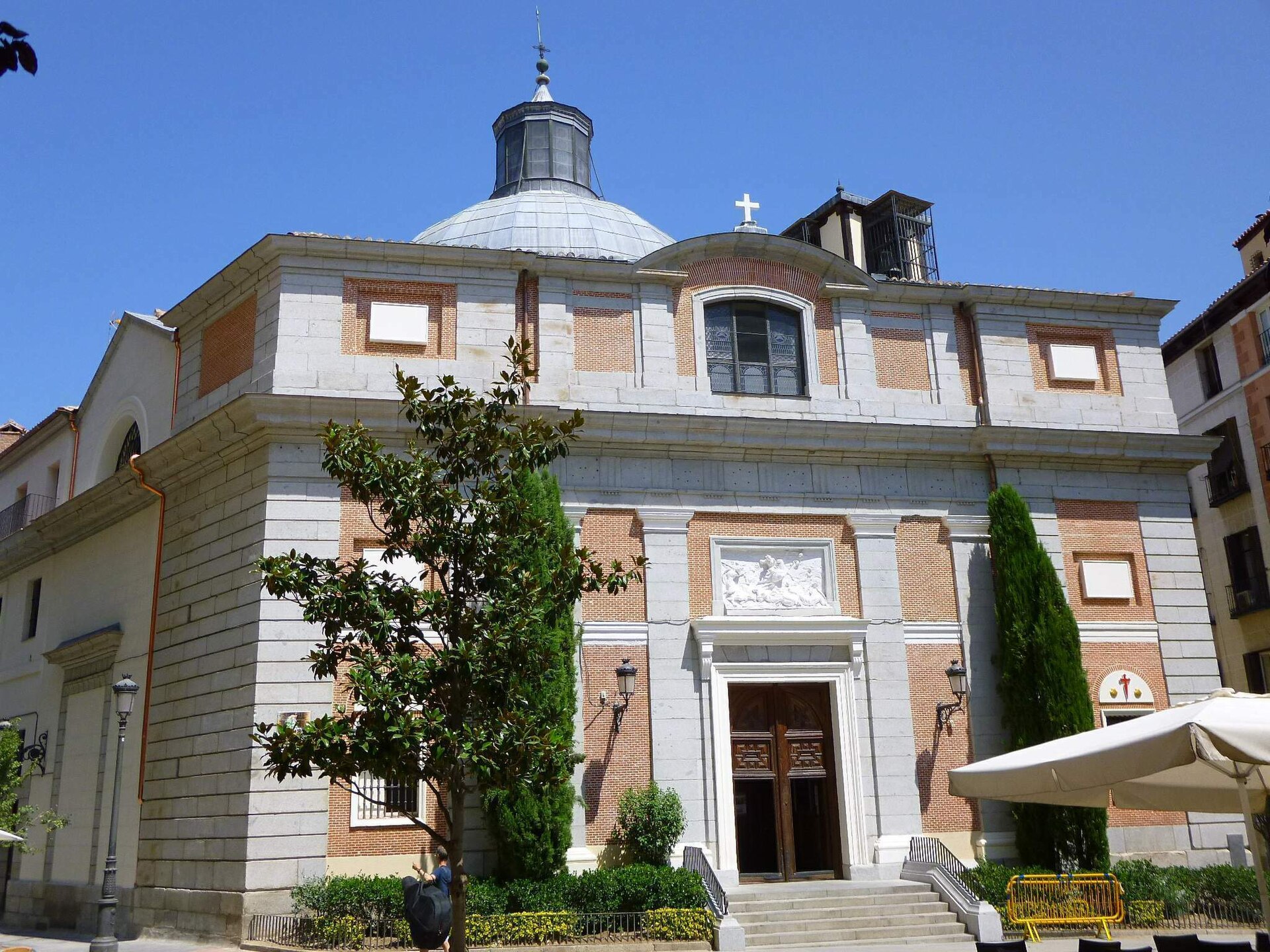
The Chapel of the Virgin of the Port (Ermita de la Virgen del Puerto) is a small Baroque chapel in Madrid, sitting on the bank of the Manzanares river right beside the Royal Palace and the Campo del Moro gardens. It's easy to walk past this one while chasing the city's big-name museums, but it's actually one of the more distinctive pieces of Baroque architecture in Madrid.
Who built it, and when?
The chapel was built in 1718 by Pedro de Ribera, one of the leading architects of Madrid Baroque, also responsible for the Puente de Toledo bridge and the Cuartel del Conde Duque barracks. It wasn't conceived as an isolated building — it was part of a broader urban-planning scheme Ribera himself proposed for the entire Manzanares riverfront, aimed at organizing and beautifying what was then an important public space along the river.
What's worth seeing?
The chapel's standout feature is its floor plan: an octagon ringed with exedrae, semicircular recesses set around the central space. That layout is unusual for a religious building of this scale in Madrid, and it immediately sets the chapel apart from the city's more typical single-nave churches. The whole structure is topped with a slate roof, a material commonly used across Madrid's Baroque buildings of the period, giving the chapel a dark, distinctive silhouette against its surroundings.
It's worth walking all the way around the building to appreciate how the octagonal plan plays out in three dimensions — the chapel looks slightly different from every angle, and the exedrae create rounded niches visible both outside and in.
How do you get there?
The chapel stands along Paseo de la Virgen del Puerto, right next to the Manzanares river, the Campo del Moro gardens and the Royal Palace. The easiest approach is on foot from Príncipe Pío metro station, just a few minutes' walk along the river. It also works well as a natural stop when combining a visit to the Royal Palace with a stroll along the Manzanares riverside.
When should you visit?
The chapel is closely tied to one of Madrid's traditional local festivals: the Fiestas de la Virgen del Puerto take place here every September, one of the city's more popular neighborhood celebrations, with chulapos and chulapas in traditional dress, music and dancing rooted in Madrid's castizo folk culture. That's the liveliest time to see the chapel in full festive swing. Outside festival season, the spot is much quieter, which makes it a good time for unhurried photography and a closer look at the architecture.
Frequently asked questions
Who designed the chapel? It was designed and built in 1718 by Pedro de Ribera, one of the foremost architects of Madrid's Baroque period.
Why is the chapel's plan octagonal? The octagonal layout with exedrae was part of Ribera's own urban design proposal for the whole Manzanares riverfront, meant to give the project an architectural centerpiece.
What is the roof made of? The roof is covered in slate, a material typical of many Madrid Baroque buildings from this era.
What's the best way to get there? On foot from Príncipe Pío metro station, following Paseo de la Virgen del Puerto along the Manzanares river, near the Royal Palace and the Campo del Moro gardens.
Nearby places

Earn badges for the places you visit
Download NextOnTrip, discover new places and check off your trails.