About this place
The Monastery of Corpus Christi las Carboneras is a convent of Hieronymite nuns tucked away on one of the most atmospheric squares of old Madrid — Plaza del Conde de Miranda, just steps from Plaza Mayor. Despite its central location, it remains largely overlooked by visitors, making it one of the Spanish capital's quieter hidden gems.
The story behind the monastery
The convent was founded in 1607 by Beatriz Ramírez de Mendoza, the widowed Countess of Castellar, who joined the Hieronymite order after her husband's death and established this religious house. Its unusual name, "las Carboneras" ("the coal women"), comes from a painting of the Immaculate Conception that, according to local tradition, was discovered in a coalyard in this part of Madrid.
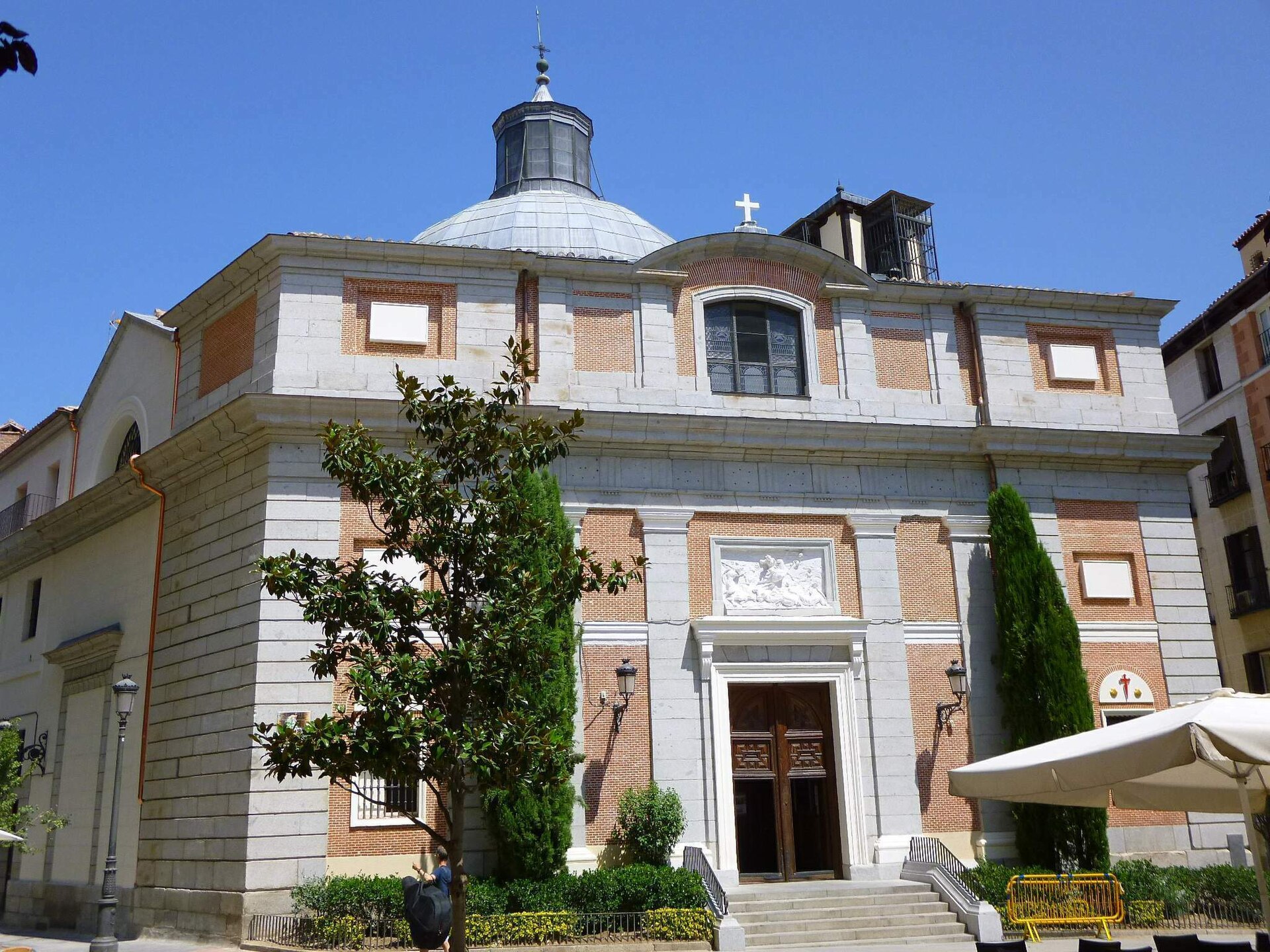
The building itself went up in the first quarter of the 17th century, designed by Miguel de Soria, a pupil of Juan Gómez de Mora — one of the leading architects of Madrid's Baroque period. That architectural lineage places the monastery firmly within the distinctive building style that shaped the city's historic center at the time. In 1981, the site was declared a Bien de Interés Cultural, Spain's highest level of heritage protection.
How do you get there?
The monastery sits just a few steps from Plaza Mayor, right in the heart of Madrid, on the small Plaza del Conde de Miranda. The easiest way in is on foot from the Sol or Ópera metro stations, both a short walk away. The surrounding streets form a dense tangle typical of the old town, so it's worth having a map or phone navigation handy — the square itself is easy to walk past without noticing.
What will you see?
Since it's still an active convent, access to the interior is very limited — this is not a museum open for casual browsing. What you can appreciate is the building's facade and overall structure, characteristic of early 17th-century Madrid Baroque, along with the square's authentic, low-key atmosphere, a striking contrast to the crowds just around the corner at Plaza Mayor.
One practical reason to seek the place out is the sale of homemade pastries through the convent's traditional turno window — a common practice among Spain's cloistered orders. It's a chance to try handmade sweets baked to recipes passed down through generations of nuns.
When should you visit?
Since the monastery isn't a conventional sightseeing spot with fixed visiting hours, it's best folded into a walk through the Madrid de los Austrias district, alongside Plaza Mayor, the Almudena Cathedral, or the Royal Palace. Mornings, when the square is quieter, make it easier to appreciate its intimate character.
Frequently asked questions
Can you visit the inside of the monastery? Access is very limited, as it remains an active cloistered convent of Hieronymite nuns rather than a museum.
Where does the name "las Carboneras" come from? It comes from a painting of the Immaculate Conception that, according to tradition, was found in a nearby coalyard.
Can you buy anything as a souvenir here? Yes — the nuns sell traditional convent-made pastries, which is one of the main reasons visitors seek the place out.
How far is it from Plaza Mayor? Very close — just a few minutes' walk, right in the historic heart of Madrid.
Nearby places

Earn badges for the places you visit
Download NextOnTrip, discover new places and check off your trails.