About this place
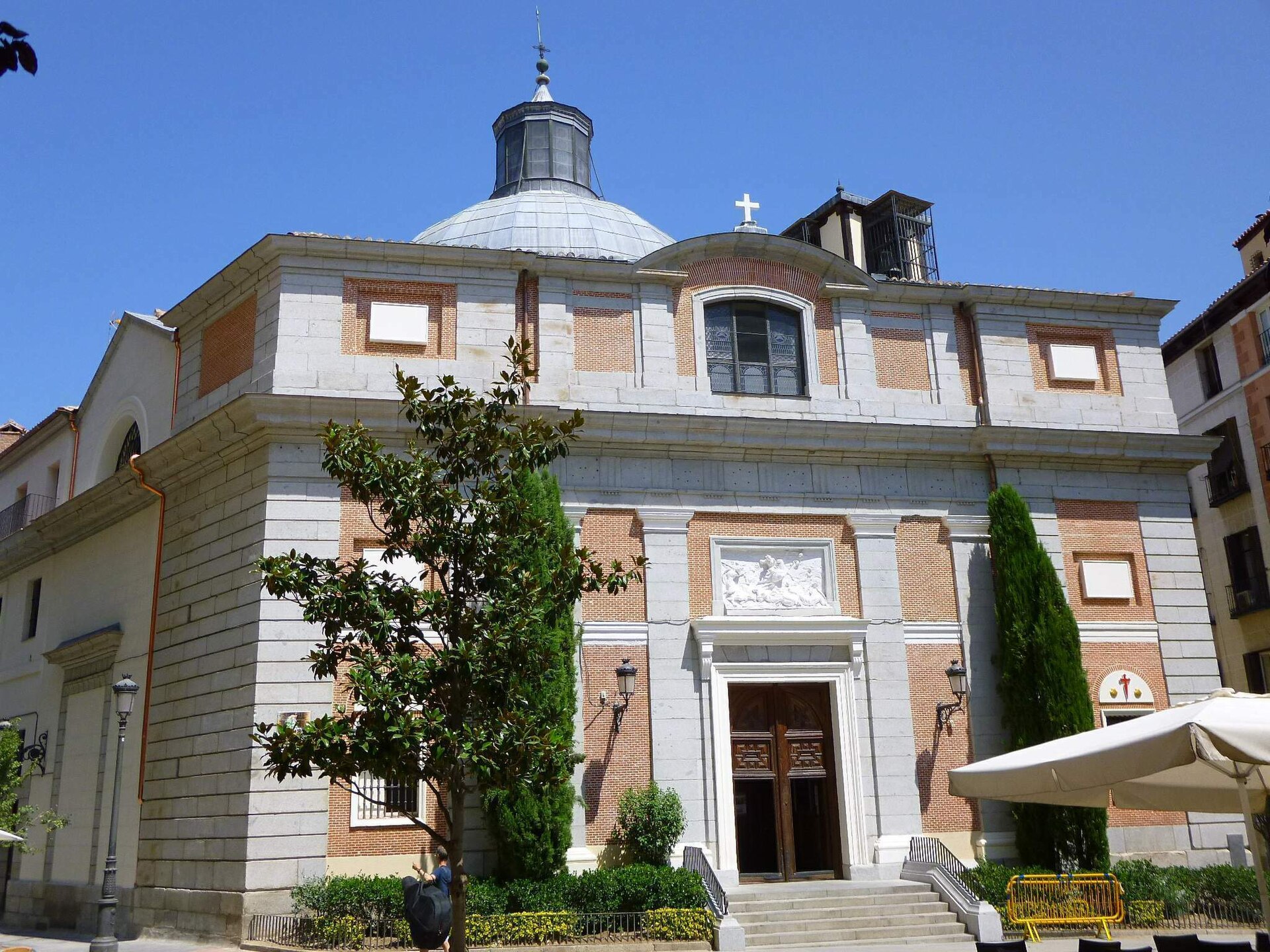
The Basilica of San Francisco el Grande is one of the largest churches in Madrid, standing in the historic center of the Spanish capital. The neoclassical building draws attention above all for its enormous dome and its paintings by Francisco Goya, making it a place of interest not only for worshippers but also for art and architecture enthusiasts.
When was the basilica built?
Construction of the current church began in 1761, during the reign of Charles III, the king who was reshaping Madrid according to Enlightenment ideas of urban planning at the time. The building work took more than two decades and was completed in 1784. The architectural design and its refinement are credited to Francisco Sabatini, one of the leading architects working at the Spanish royal court in that period. According to tradition, though, the site's history goes back much further: legend holds that Saint Francis of Assisi himself founded a small chapel here in the early 13th century, during his pilgrimage to Santiago de Compostela, and that the church takes its dedication from that chapel.
What makes the basilica's architecture distinctive?
The building represents the neoclassical style typical of Spanish religious architecture in the second half of the 18th century — restrained, monumental forms, symmetry, and a clear break from the ornate Baroque decoration that had come before. The basilica's most striking architectural feature is its dome, roughly 33 meters in diameter, considered one of the largest in the world, ranking behind only the domes of St. Peter's Basilica in Rome, the ancient Roman Pantheon, and Florence's Santa Maria del Fiore. The interior follows a central floor plan, so the vast space beneath the dome dominates the whole composition of the church and gives it an unusually monumental character.
What is the basilica's connection to Goya?
In 1781, the Count of Floridablanca commissioned a group of painters, including Francisco Goya, to decorate the basilica's interior. Goya painted a work depicting Saint Bernardino of Siena, placed in the chapel dedicated to that saint — in the canvas, the artist included his own self-portrait among the figures who look directly out at the viewer, an unusual device at the time. Goya's link to the site goes further still: the basilica's distinctive dome appears in the background of one of his most famous Madrid paintings, "The Meadow of San Isidro," which shows a panorama of the city as seen from the banks of the Manzanares River.
What is the basilica's status today?
Since 1980, the church has held the status of a Spanish cultural property of national significance, confirming its exceptional historical and artistic value. Beyond its religious function, the building also serves as a museum space — alongside Goya's work, its interior houses paintings by other Spanish artists of the period, as well as richly decorated side chapels. The basilica remains one of Madrid's major churches and a key reference point for anyone interested in 18th-century Spanish art.
Frequently Asked Questions
When was the Basilica of San Francisco el Grande built? Construction began in 1761 under Charles III and was completed in 1784; the architect responsible for the design was Francisco Sabatini.
What makes the basilica's architecture stand out? Its neoclassical style and its dome, about 33 meters in diameter and considered one of the largest in the world, make it one of Madrid's most recognizable churches.
What painting did Goya create here? Goya painted a depiction of Saint Bernardino of Siena for the chapel of that name, including his own self-portrait in the canvas.
Is the basilica a protected heritage site today? Yes — since 1980 it has been recognized as a cultural property of national significance in Spain.
Nearby places

Earn badges for the places you visit
Download NextOnTrip, discover new places and check off your trails.