- Sacred Monuments
- Religious monuments
Real Monasterio de la Encarnación de Monjas Clarisas
About this place
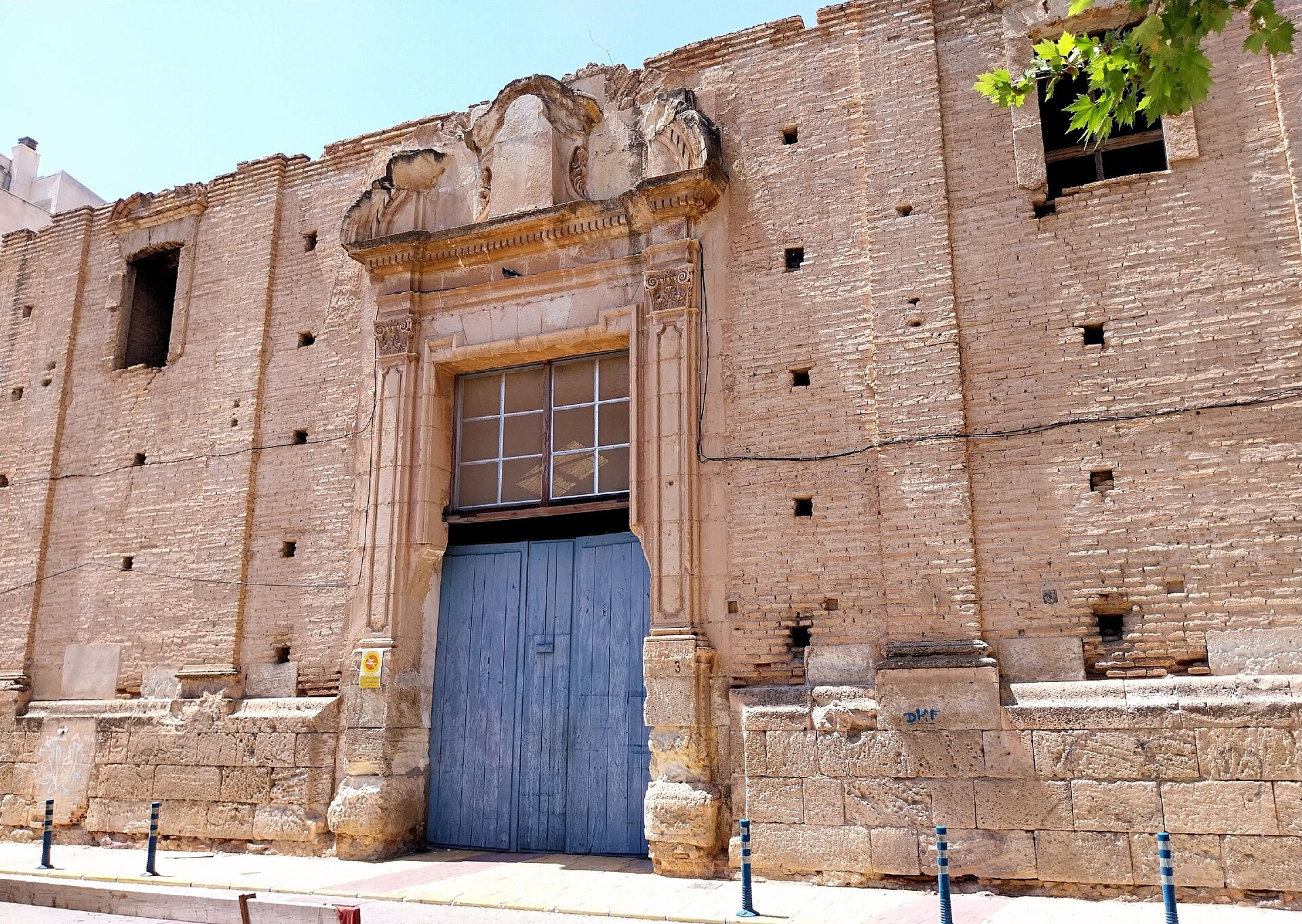
Real Monasterio de la Encarnación de Monjas Clarisas is a historic Poor Clares convent perched in the upper old town of Mula, in the Murcia region. Built in the late 17th century, the complex blends Renaissance layout with lavish Baroque decoration and remains one of the town's most significant monuments.
How was the monastery founded?
The foundation of the Poor Clares community began in 1680 under Fray Pedro Botía, with the actual establishment carried out by Mother Sor Mariana de Santa Clara together with nuns brought from Trujillo. From the outset the convent enjoyed royal patronage under Juan José de Austria, son of King Philip IV, which granted it the status of royal heritage. That royal backing explains both the relatively short construction period and the monastery's monumental scale, setting it apart from other religious buildings in the region.
What will you see there?
The present-day Calle de las Monjas marks the line that historically split the site into two zones. On one side stood the community's cloistered core — the cloister itself, cells, refectory, sacristy and infirmary. On the other were the service areas: laundries, garden and baths. At the heart of the complex is a square, two-story cloister that gives access to the different parts of the monastery.
The convent church opened for worship on 26 May 1731, and by 1737 the camarín, main chapel and sacristy were also complete. The crossing is covered by a dome resting on pendentives, richly decorated with Baroque plasterwork depicting Saint Francis of Assisi, Saint Dominic de Guzmán and Saint Teresa of Ávila. In 1752 the artist Ginés Romero, from nearby Lorca, was commissioned to gild the main altarpiece. The original retablo was lost during the Spanish Civil War, and only its tabernacle survives today as a trace of the interior's former splendor.
Why is it worth a visit?
Both the building and its furnishings are listed as a Bien de Interés Cultural, Spain's designation for assets of national cultural significance. The Poor Clares lived in the monastery continuously for more than three centuries, making the site a living record of religious life in the Murcia region right up until the community's recent departure from the building. Walking through the upper part of Mula, where the monastery stands, also offers a glimpse of the old town's narrow, characterful streets and a sense of the era in which the complex was built.
When is the best time to visit?
Spring and autumn are the most comfortable seasons, since temperatures in Murcia can climb sharply in midsummer. It's worth pairing a visit to the monastery with a walk through the rest of Mula's old town, which holds further examples of both religious and civil architecture from different periods.
Frequently asked questions
When was the Real Monasterio de la Encarnación built? The foundation began in 1680, the convent church opened to worshippers in 1731, and the main chapel, camarín and sacristy were finished in the following years.
Who was the monastery's royal patron? Juan José de Austria held the patronage, which gave the convent royal heritage status and shaped its monumental character.
What happened to the original altarpiece? The original retablo disappeared during the Spanish Civil War; only its tabernacle has survived from the earlier furnishings.
Is the monastery a protected heritage site? Yes, both the building and its furnishings are listed as a Bien de Interés Cultural.
Nearby places

Earn badges for the places you visit
Download NextOnTrip, discover new places and check off your trails.