About this place
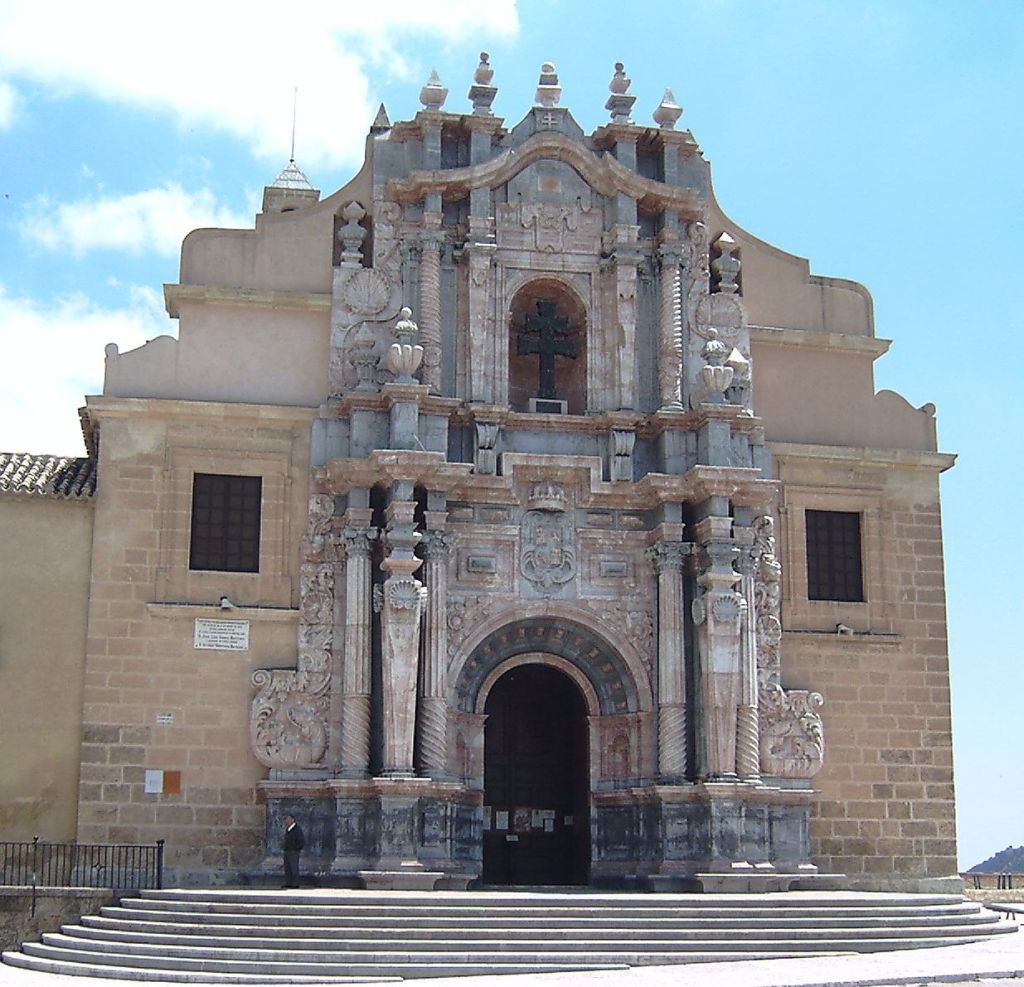
The Church of Santa María Magdalena is the parish church of Cehegín, a small hilltop town in the Region of Murcia, standing at the highest point of the old quarter with sweeping views over the Argos river valley. It is a building where Renaissance architecture meets a long frontier history between Christian and Muslim rule, and its interior hides one of the more rewarding small museums of religious art in the region.
How to get there?
Cehegín sits in the northwestern part of the Region of Murcia, roughly 60 km from the regional capital and close to Caravaca de la Cruz. Driving is by far the easiest option — the trip from Murcia city takes under an hour. The church stands on Plaza del Castillo, at the top of the old town, so the final stretch has to be covered on foot along narrow, steep lanes lined with stone facades and traditional patios — part of the charm of the visit rather than an inconvenience. It's best to park in the lower part of town and walk up from there.
What will you see?
The church occupies a site that, during roughly five centuries of Muslim rule (8th–13th century), held a mosque — a clear illustration of how layers of different cultures overlap across this part of Spain. After the Order of Santiago took control of the area, construction of the Christian church began, stretching from the 16th century into the late 17th. The design is attributed to Jerónimo Quijano, an architect active for the Diocese of Cartagena in the 1500s, and the building was finally completed in 1698 by master builders from Lorca, Francisco Bastida and José García. The bell tower came later still, added in 1768, a project that required rebuilding part of the right side aisle and demolishing the older Chapel of San Antón.
The result of these centuries of work is a hall-church with a nave-plan layout, three aisles and a raised choir — a configuration typical of temples associated with the Order of Santiago. Inside, look out for the Ionic columns supporting cross vaults, and the proportions of the three naves, which give the interior a monumental yet balanced character typical of Murcian Renaissance building.
Since 1966, part of the church has functioned as a museum, gathering religious artworks of considerable historical and artistic value — paintings, sculptures and liturgical objects tied to the parish's long history. It's a rare chance to see local religious heritage displayed in its original sacred setting rather than in a detached museum hall.
The building's importance is reflected in its formal protection: on 2 July 1982 it was declared a Bien de Interés Cultural (Asset of Cultural Interest) and named a National Monument by royal decree.
When to visit?
Spring (April–June) and early autumn (September–October) are the most comfortable seasons, since summer temperatures in this part of Murcia can be intense. It's also worth checking the calendar of local religious festivities — Cehegín's Holy Week processions are among the most significant in the region, and the church plays a central role in them. Museum opening hours can be limited, so it's worth confirming them locally or through the town's tourist information point before visiting.
Frequently asked questions
Is entry to the church free? The parish church itself can usually be visited free of charge during service hours, while access to the museum section may involve a small fee or require prior arrangement with the parish.
How long does a visit take? A relaxed look at the interior and the museum display typically takes 30–45 minutes, though visitors interested in sacred architecture may want to linger longer over the vaulting and column details.
Are there other landmarks nearby worth seeing? Yes — the church sits next to the remains of the town's castle and the historic buildings of Cehegín's old quarter, so it's easy to combine the visit with a walk through the historic center.
Is the church still used for worship? Yes, it remains an active parish church with regular masses and services, which is worth keeping in mind when planning a visit outside of liturgical hours.
Nearby places

Earn badges for the places you visit
Download NextOnTrip, discover new places and check off your trails.