About this place
Convento de San Esteban stands on a low hill overlooking Cehegín, in the Region of Murcia. It is one of the most significant religious monuments in this part of Murcia and remains an active Franciscan friary to this day.
How did this convent come to be?
The site's story begins in the 16th century. Where a modest hermitage dedicated to Saint Stephen (San Esteban) — traditionally invoked against storms and hail — once stood, the town council handed over the land and chapel in 1566 for the construction of a convent, on the condition that the original dedication be preserved. Building work started two years later, financed by Alonso Fernández Peñalver and overseen by master builder Ginés de Egea. The Recollect branch of the Franciscan order settled here, a movement linked to figures such as Saint Peter of Alcántara and Cardinal Cisneros.
How did the complex grow over the centuries?
Construction and expansion stretched from the 16th through the 18th century, and it was that final century that brought the convent to its greatest splendor — most of what visitors see today dates from this later building phase, layered over earlier structures. A key turning point came in 1690, when a missionary seminary-college was founded on the site to train friars bound for apostolic work in the Americas. Its reach was considerable, drawing candidates from a wide swath of territory stretching from Valencia to Granada, including parts of La Mancha.
What will you see on site?
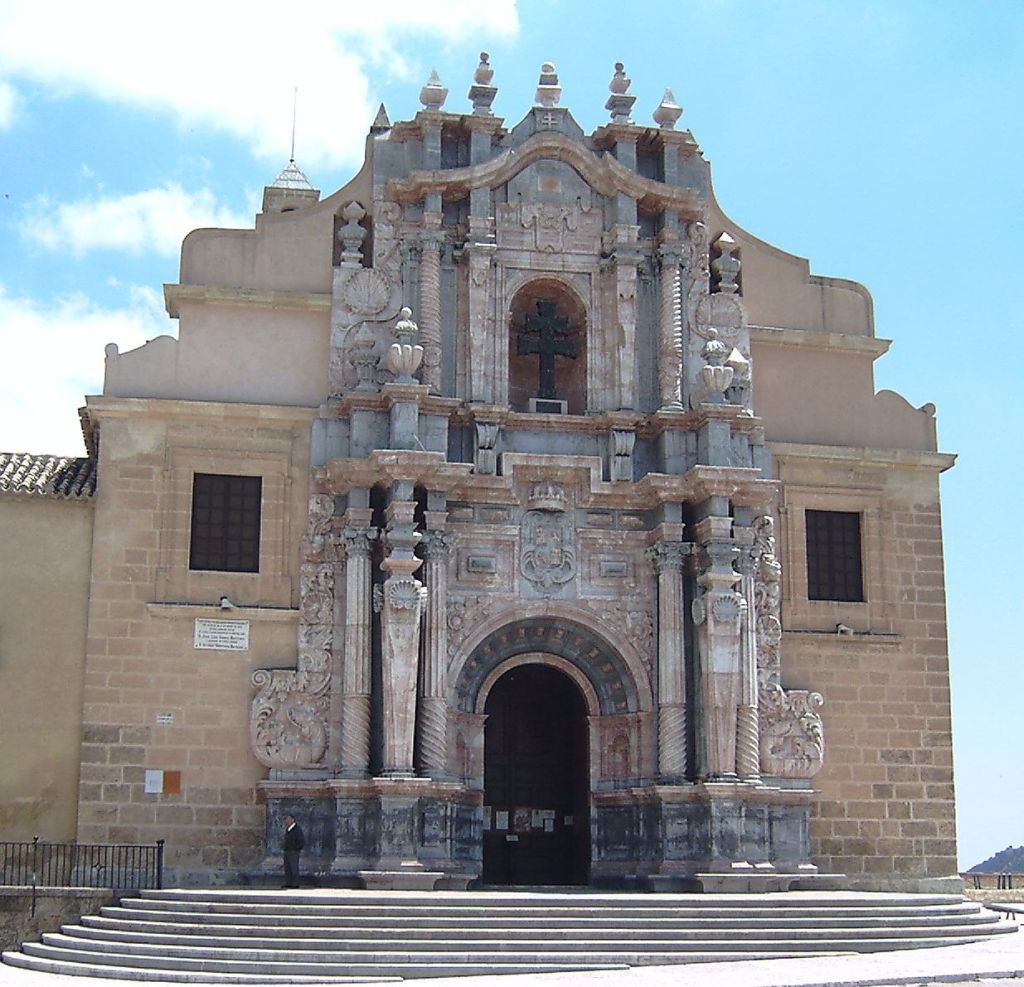
The complex pairs a church and a friary arranged around two cloisters: a main one reserved for the Franciscan fathers, and a smaller one that housed the lay brothers. The church façade reflects typical Franciscan restraint, divided into three tiers. Inside, the building follows a three-nave layout, and the standout feature is a lavish Baroque high altarpiece framing the image of the town's patroness, Our Lady of the Marvels (Nuestra Señora de las Maravillas) — the focal point of Cehegín's annual religious festivities.
The monument holds Bien de Interés Cultural status, Spain's designation for protected heritage sites, and its architecture is classified as Baroque.
How to get there and when to visit?
Cehegín sits in the northwestern part of the Region of Murcia, well connected by road to both the city of Murcia and to Caravaca de la Cruz. The convent occupies high ground within the historic town, so the easiest approach is on foot from the old quarter — a walk that also takes you past the surrounding historic streets. Spring and autumn are the most comfortable seasons to visit, avoiding the peak heat of Murcian summers. It's worth checking the local calendar of religious feast days, since the period around the celebrations for Our Lady of the Marvels brings processions and lively local traditions to the area.
Visiting the church itself typically takes 20 to 40 minutes, longer if you also stroll through the convent courtyard. Since an active religious community still lives here, visitors should keep a respectful, quiet pace, particularly during services.
Frequently asked questions
Can you visit the inside of the convent? The church is generally open to visitors and worshippers during opening hours, but the friary quarters remain a lived-in space for the religious community and aren't always accessible to the public — it's worth checking locally or with tourist information beforehand.
Who looks after the site today? The convent remains under the care of the Franciscan Friars Minor, who have maintained an unbroken religious presence here for centuries.
Why is the convent dedicated to Saint Stephen? When the town council handed over the land in 1566, it stipulated that the original dedication of the earlier hermitage be kept — a dedication to Saint Stephen, traditionally regarded as a protector against storms and hail.
What's the main highlight inside the church? The Baroque high altarpiece holding the image of Our Lady of the Marvels, patroness of Cehegín, widely considered the most valuable feature of the church's interior.
Nearby places

Earn badges for the places you visit
Download NextOnTrip, discover new places and check off your trails.