About this place
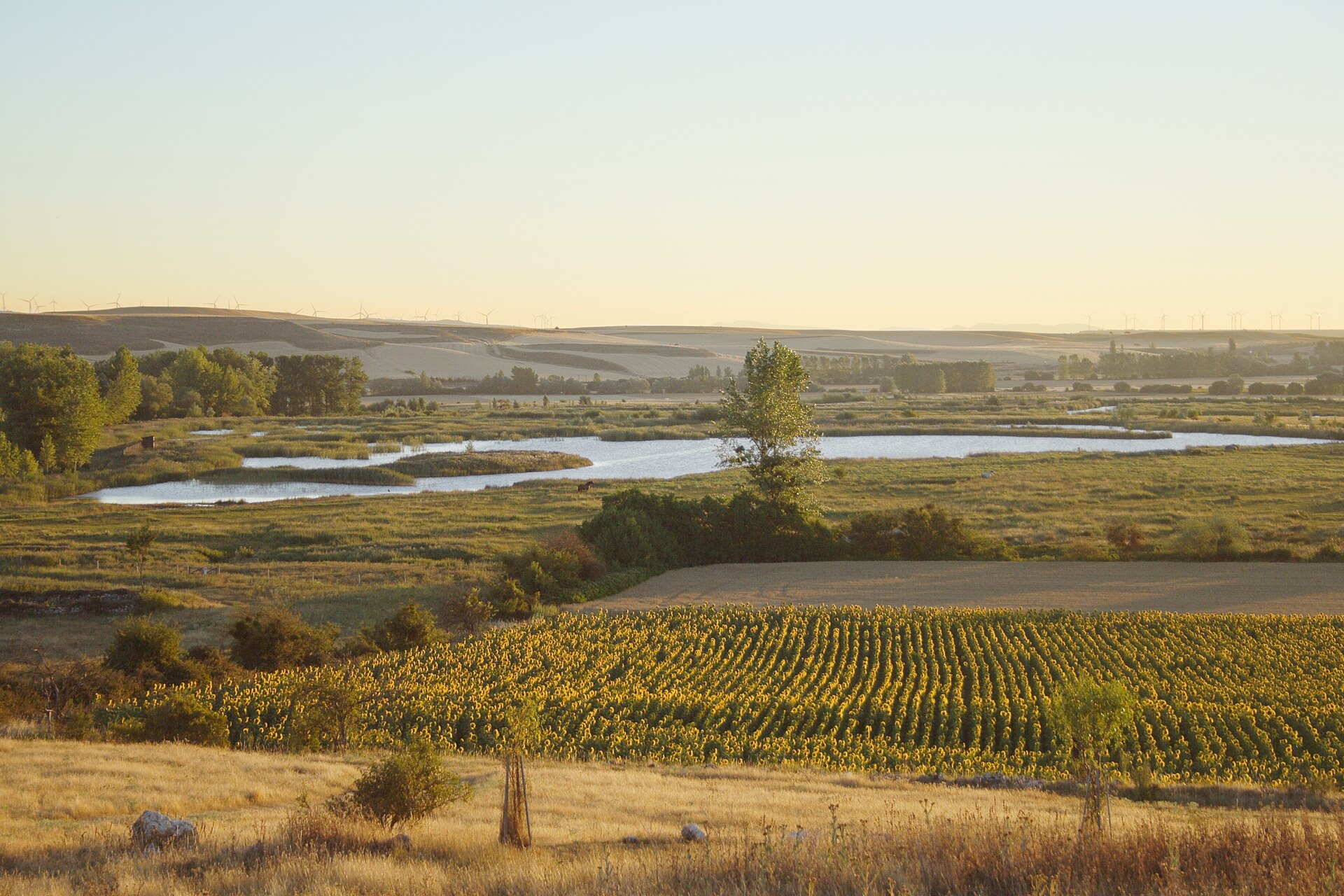
Pozo Blanco is a small natural pool tucked into the rocky landscape of La Bureba, on the trail that links the village of Salinillas de Bureba with the Sanctuary of Santa Casilda. The name translates to "white well," and generations of local tradition have turned this modest spot into a place known well beyond the small municipality in Burgos province where it sits.
How do you get to Pozo Blanco?
Start in Salinillas de Bureba, roughly 11 km from Briviesca and just over half an hour's drive from Burgos city. A clearly marked walking trail leaves the village center heading toward the Sanctuary of Santa Casilda, and Pozo Blanco appears less than 2 km in, right next to its twin, Pozo Negro ("black well"). No special gear or fitness is required — it's a walk across scenic, rocky terrain that's popular with hikers and cyclists and shows up regularly on route-sharing sites like Wikiloc and AllTrails. Pushing on past the two wells, the trail climbs a few more kilometers to reach the sanctuary itself, perched on a limestone crag.
What is there to see?
Pozo Blanco and Pozo Negro are two small bodies of water sitting close together in a striking, rocky stretch of countryside at the foot of the hills leading up to Santa Casilda. The whole area belongs to the Rojas-Santa Casilda fold zone and lies near the Salinillas de Bureba salt diapir — the underground salt deposits that shaped this corner of La Bureba and, for centuries, its economy. Salinillas de Bureba itself was first recorded back in 1055 as a salt-producing settlement, and salt extraction remained the region's main livelihood for generations.
What really draws visitors to Pozo Blanco, though, is the legend attached to it: couples hoping to have a child throw a stone into the white well, and if it lands cleanly inside rather than bouncing off the rim, tradition says a miracle — a baby — is on its way. That custom has kept the spot's reputation for magic and healing alive over the years, drawing both pilgrims heading further up to the sanctuary and travelers curious about Spain's lesser-known legendary corners.
When is the best time to visit?
Spring and early autumn are ideal, when temperatures around Burgos are mild enough for comfortable walking and the rocky Bureba scenery looks its best. Summer heat can make the exposed stretch of trail tougher going, so an early-morning start is worth planning for. The visit pairs naturally with a stop at the Sanctuary of Santa Casilda itself, which stays open to pilgrims and visitors year-round.
Frequently asked questions
Is Pozo Blanco a large body of water? No — it's a small natural pool, one of two (alongside Pozo Negro) sitting close together on the trail to the sanctuary. Its appeal comes more from the legend and setting than from its size.
How long does it take to walk there from Salinillas de Bureba? The distance is around 1.6–2 km, which usually takes 30–40 minutes on foot at an easy pace over moderately rocky ground.
What's the legend behind the name? Local tradition holds that couples wishing for a child throw a stone into the well — landing inside is said to foretell a miracle in the form of a baby. That's the origin of the "white well" name and its lasting fame.
Is it worth combining with a visit to the Sanctuary of Santa Casilda? Absolutely — Pozo Blanco sits directly on the route to the sanctuary, a 16th-century structure built atop a limestone crag, so the two are naturally seen together on the same outing.
Nearby places

Earn badges for the places you visit
Download NextOnTrip, discover new places and check off your trails.