About this place
Fuentemolinos Cave is located in the small village of Puras de Villafranca, part of the municipality of Belorado in northern Spain. It's the largest formation within a wider cave complex made up of at least twelve cavities, making it a worthwhile stop for anyone curious about the geology and lesser-known corners of the Burgos region.
Where exactly is the cave located?
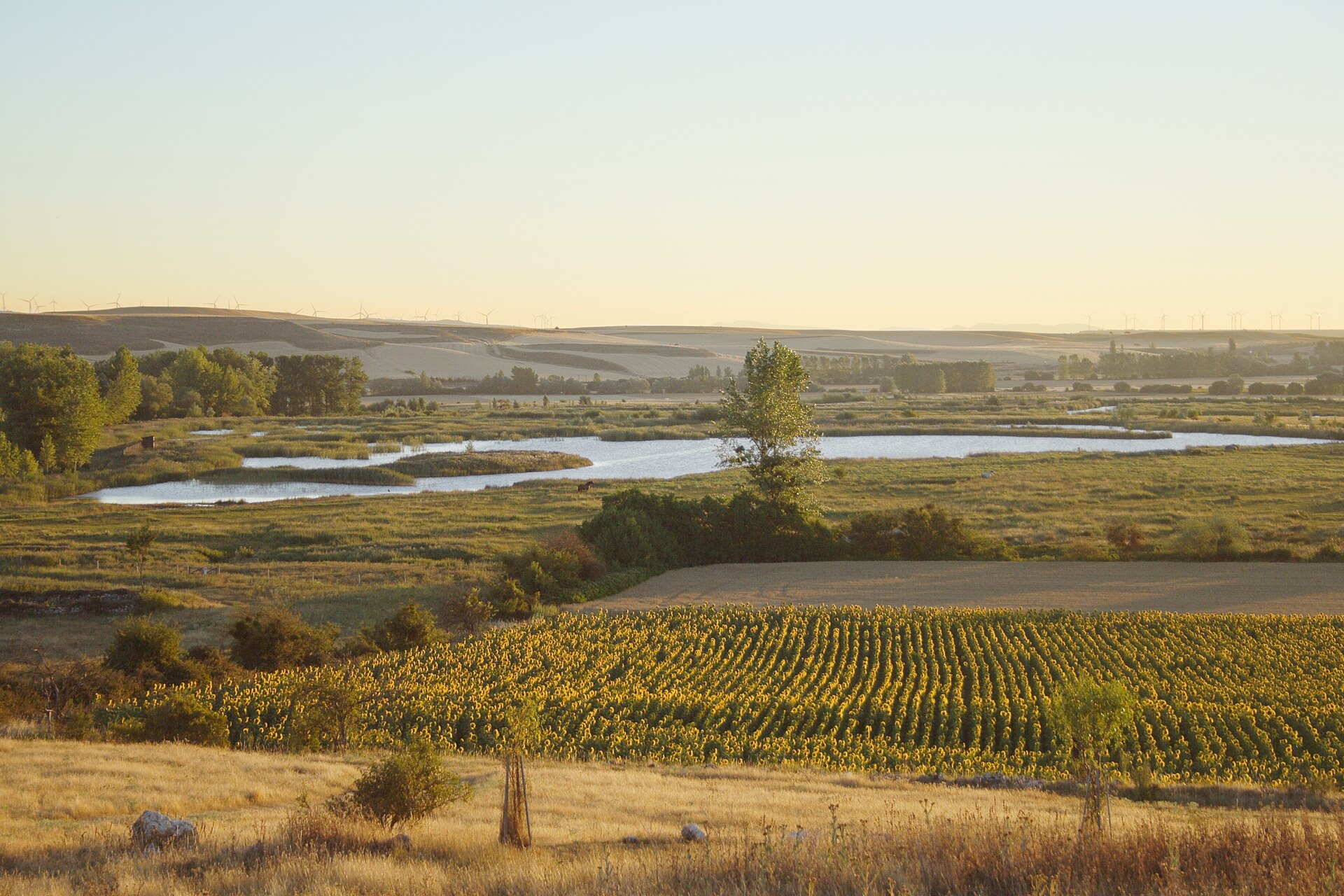
Fuentemolinos sits within the municipality of Belorado, in the small settlement of Puras de Villafranca. Its coordinates (roughly 42.374° N, 3.245° W) place it in a landscape typical of this part of Castile and León — limestone hills, river valleys, and scattered rural villages where natural rock formations have long coexisted with local settlements.
What makes this cave complex interesting?
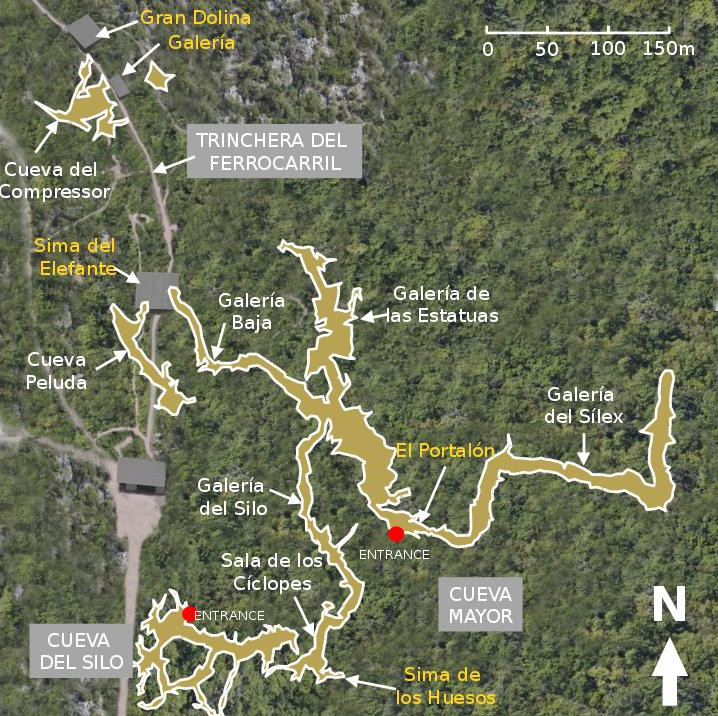
Fuentemolinos isn't an isolated feature — it forms part of a larger system that includes at least twelve separate cavities in the surrounding area. Clusters like this are characteristic of karst landscapes, where water has carved corridors, chambers, and connecting passages through limestone over thousands of years. Fuentemolinos stands out as the largest of these formations, making it a natural reference point for anyone interested in exploring the full complex.
How do you get there?
Belorado sits along the historic Camino de Santiago (Camino Francés), which means solid road connections to larger towns in the region, including Burgos. Driving is the most practical option, as the route passes through predominantly rural terrain — it's worth planning ahead and confirming current access to the cave itself, since formations like this are often small and not signposted in the way conventional tourist sites are. Asking locals or the tourist information point in Belorado about the exact location in Puras de Villafranca is a reliable way to avoid getting lost.
What should you know before exploring?
When visiting karst formations of this kind, a few practical points are worth keeping in mind. Entrances tend to be narrow and uneven, so sturdy footwear and a reliable light source (a headlamp works best) make a real difference. If the cave hasn't been formally developed for tourism, exploring it calls for caution and some basic familiarity with moving through cave terrain — when in doubt, it's safer to stick to the entrance area and its immediate surroundings rather than venturing deeper.
When is the best time to visit?
The Burgos region has a continental climate, with hot summers and cold winters, so spring and autumn are the best times to explore the area around Belorado and its rock formations — temperatures are milder, and the Castilian hill landscape is especially scenic during these seasons. It's also worth remembering that cave interiors typically maintain a cooler, fairly constant temperature regardless of the season, which is worth factoring into what you wear.
Frequently asked questions
Where exactly is Fuentemolinos Cave located? In the village of Puras de Villafranca, within the municipality of Belorado, in the Burgos region of northern Spain.
Is Fuentemolinos the only cave in the area? No — it's part of a larger complex of at least twelve cavities, and Fuentemolinos is the largest of these formations.
How do you get to Belorado? Belorado lies along the Camino de Santiago (Camino Francés) and has good road connections to Burgos, making it easy to reach by car.
Can this visit be combined with other regional attractions? Yes — the area around Belorado is a popular stretch of the pilgrimage route, so a visit to the cave pairs well with exploring the historic towns along the Camino Francés.
Nearby places

Earn badges for the places you visit
Download NextOnTrip, discover new places and check off your trails.