About this place
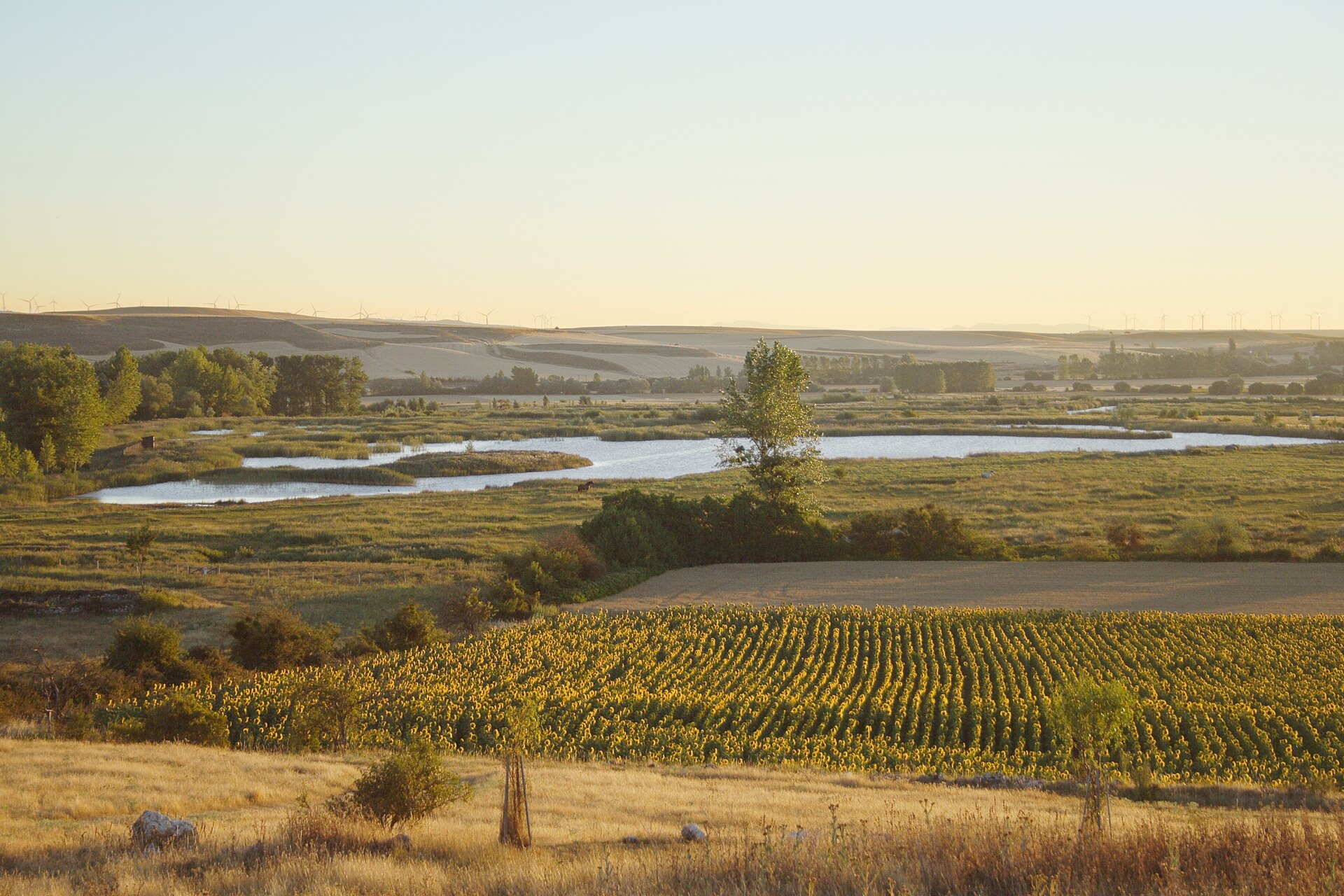
The Atapuerca wetlands (Lagunas de Atapuerca) are a group of five lagoons at the foot of the Sierra de Atapuerca, right next to the village of Atapuerca in the province of Burgos. Wetland habitats are scarce in this part of Castile and León, which makes this roughly 16-hectare site disproportionately important for local wildlife despite its modest size.
Where the lagoons came from
These lagoons are not a fully natural feature. They were built in 2008 after the Atapuerca town council asked the regional government of Castile and León to create a wetland that could act as a wildlife refuge and an ecological corridor for migratory birds. A year later, following initial restoration work, the site began attracting a growing number of species. The region is currently carrying out a further round of restoration at the lagoons, expected to be completed in spring 2026.
Why the site matters for birds
The lagoons sit along the Corredor de la Bureba, the most important migratory bird route on the entire Iberian Peninsula. Because of this position, 225 bird species have been recorded here since the 2009 rehabilitation — roughly three-quarters of every species ever logged in the whole province of Burgos. Beyond waterfowl and migratory birds, the surrounding scrub shelters amphibians, reptiles, and mammals such as roe deer, wild boar, foxes, and badgers.
Visiting the wetlands
The lagoons can be reached directly from the center of Atapuerca village, making them an easy stop for anyone already in the area. A marked nature trail, "Humedales de Atapuerca," loops around the ponds and lets visitors watch birds without entering restricted zones. The route needs no special preparation and works well as a relaxed family walk — ideally with binoculars — appealing equally to birdwatchers and to travelers simply looking for quiet ground off the main tourist track.
The connection to the archaeological site
Atapuerca is best known for the prehistoric archaeological site inscribed on the UNESCO World Heritage List, where some of the oldest human remains in Europe were found. The lagoons, however, lie in a different part of the municipality and form a separate nature attraction. For anyone visiting the archaeological caves, the wetlands make a natural add-on, showing a different side of the same area within a single day trip.
Best time to visit
Migratory birds pass through in the largest numbers during spring and autumn, when the main waves move along the Corredor de la Bureba. Water levels tend to drop in summer, while winter brings a quieter but still active site with wintering species. Whatever the season, early morning is when bird activity is highest.
Frequently Asked Questions
Are the Atapuerca lagoons natural or man-made? They are man-made, built in 2008 at the initiative of the town council to compensate for the lack of wetland habitats in the region.
What birds can be seen there? 225 bird species have been recorded since 2009, covering most of the species found across the entire province of Burgos, thanks to the site's position on a major migration route.
Are the lagoons part of the Atapuerca archaeological site? No, they are a separate nature attraction within the same municipality, independent of the UNESCO-listed caves.
Is there an entrance fee? The nature trail is accessed from the village of Atapuerca; since the site is currently undergoing restoration work, it's worth checking locally for any access restrictions before visiting.
Nearby places

Earn badges for the places you visit
Download NextOnTrip, discover new places and check off your trails.