About this place
Plaza de Santa Eulalia is a historic square in Segovia, Castile and León, standing outside the city's old walls in what was once known as the Arrabal Grande — the suburb of cloth weavers and wool artisans. In February 2017 the regional government of Castile and León listed the square, together with its surrounding buildings, as a Bien de Interés Cultural under the category of historic ensemble (conjunto histórico), recognizing its exceptional urban and architectural value.
What is at the center of the square?
The square's focal point is the Church of Santa Eulalia (Iglesia de Santa Eulalia de Mérida), a building of Romanesque origin dating to the 12th century that was substantially reworked in the 17th century with Renaissance and Baroque additions, particularly inside. Despite these later changes, part of the original apse structure, a Romanesque north portico, and a distinctive Romanesque tower have all survived. Inside, three naves are covered by barrel vaults with lunettes, while a dome on pendentives rises over the main nave.
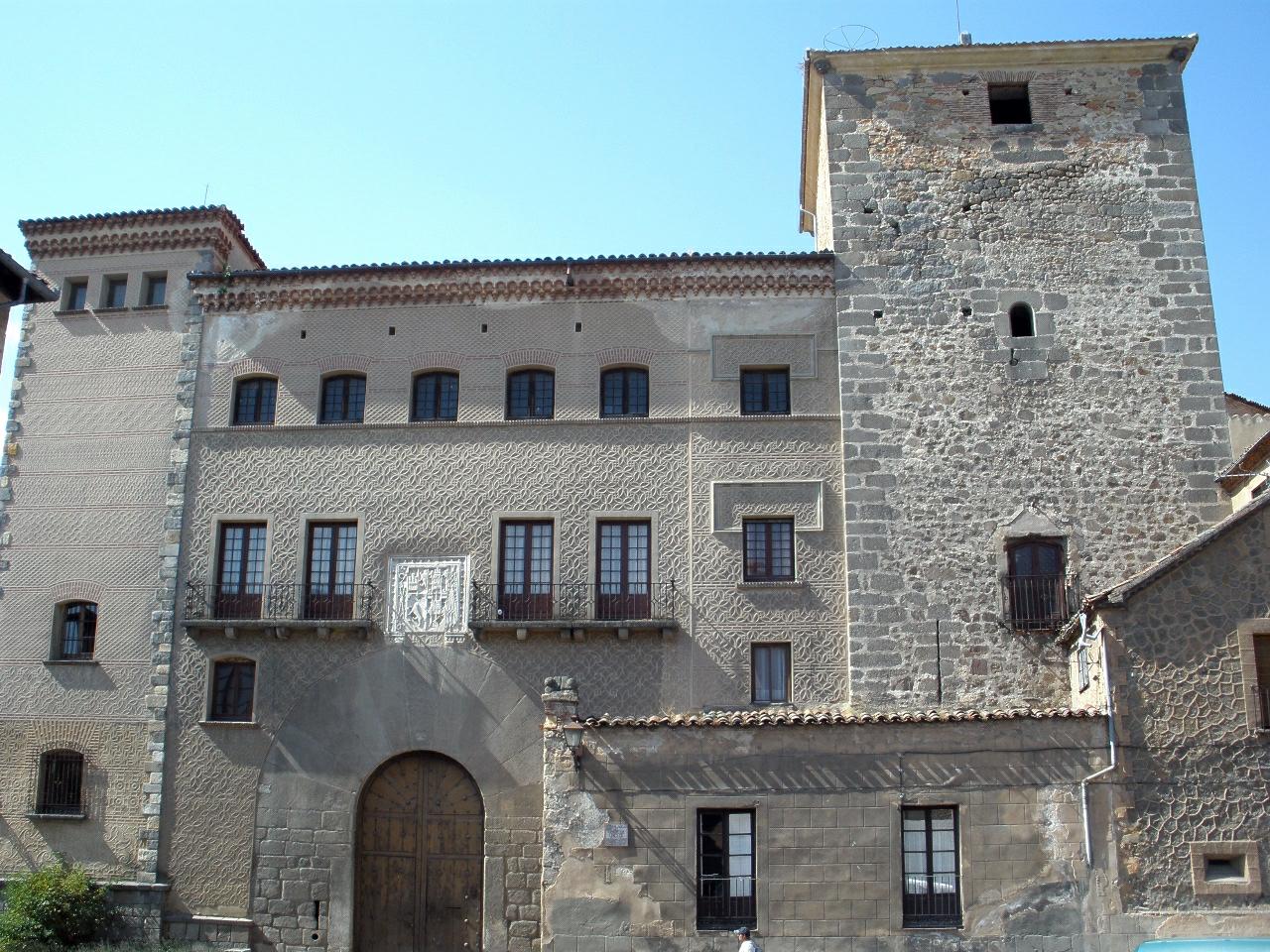
Surrounding the church is a cluster of houses considered one of the most cohesive examples of 16th-century civil architecture anywhere in Segovia. The buildings combine brick construction with timber framing, and their facades feature arcaded porticoes (soportales), some resting on granite columns. One standout is the Casa de los Hermanos Buitrago, whose doorway is framed by an alfiz and whose coat of arms was deliberately defaced by order of Charles I as punishment for the residents' involvement in the Revolt of the Comuneros.
Why does the square sit outside the city walls?
Medieval nobility rarely built residences beyond the fortifications, yet this district grew precisely because of the wool trade: weavers needed easy access to the water of the Clamores River to process fleece. Over time the riverbed was channeled and some of the original structures were torn down, but the historic street plan and the square itself have survived largely intact, preserving a readable trace of the old artisan suburb.
How do you get there and when should you visit?
The square sits within easy walking distance of Segovia's historic center, just east of the old city walls. The Church of Santa Eulalia is generally open to visitors only during Mass times, so it is worth timing a visit around morning or evening services. The square itself and the surrounding lanes can be explored freely at any hour, wandering among the arcaded, centuries-old houses.
Tourist information for Segovia is available at the municipal tourist office on Plaza del Azoguejo, open in winter Monday to Friday from 9:30 am to 2:00 pm and 4:00 to 6:00 pm, with extended afternoon hours until 7:00 pm in summer.
Frequently asked questions
What is Plaza de Santa Eulalia? It is a historic square in Segovia, listed in 2017 as a protected historic ensemble, with the Church of Santa Eulalia as its main architectural landmark.
What can you see there? A 12th-century Romanesque church reworked in the 17th century, with its surviving tower and north portico, plus a cluster of 16th-century arcaded houses, including the Casa de los Hermanos Buitrago.
Can you go inside the church? The church is usually accessible only during service times, so it is best to check local schedules before visiting.
Why is the square located outside the city walls? The district developed as a craft suburb tied to wool weaving, which explains its position near the former course of the Clamores River.
What protected status does the square hold? Since February 2017 it has held Bien de Interés Cultural status under the historic-ensemble category, granted by the government of Castile and León.
Nearby places

Earn badges for the places you visit
Download NextOnTrip, discover new places and check off your trails.