- Sacred Monuments
- Religious monuments
Museo del Monasterio de San Joaquín y Santa Ana
About this place
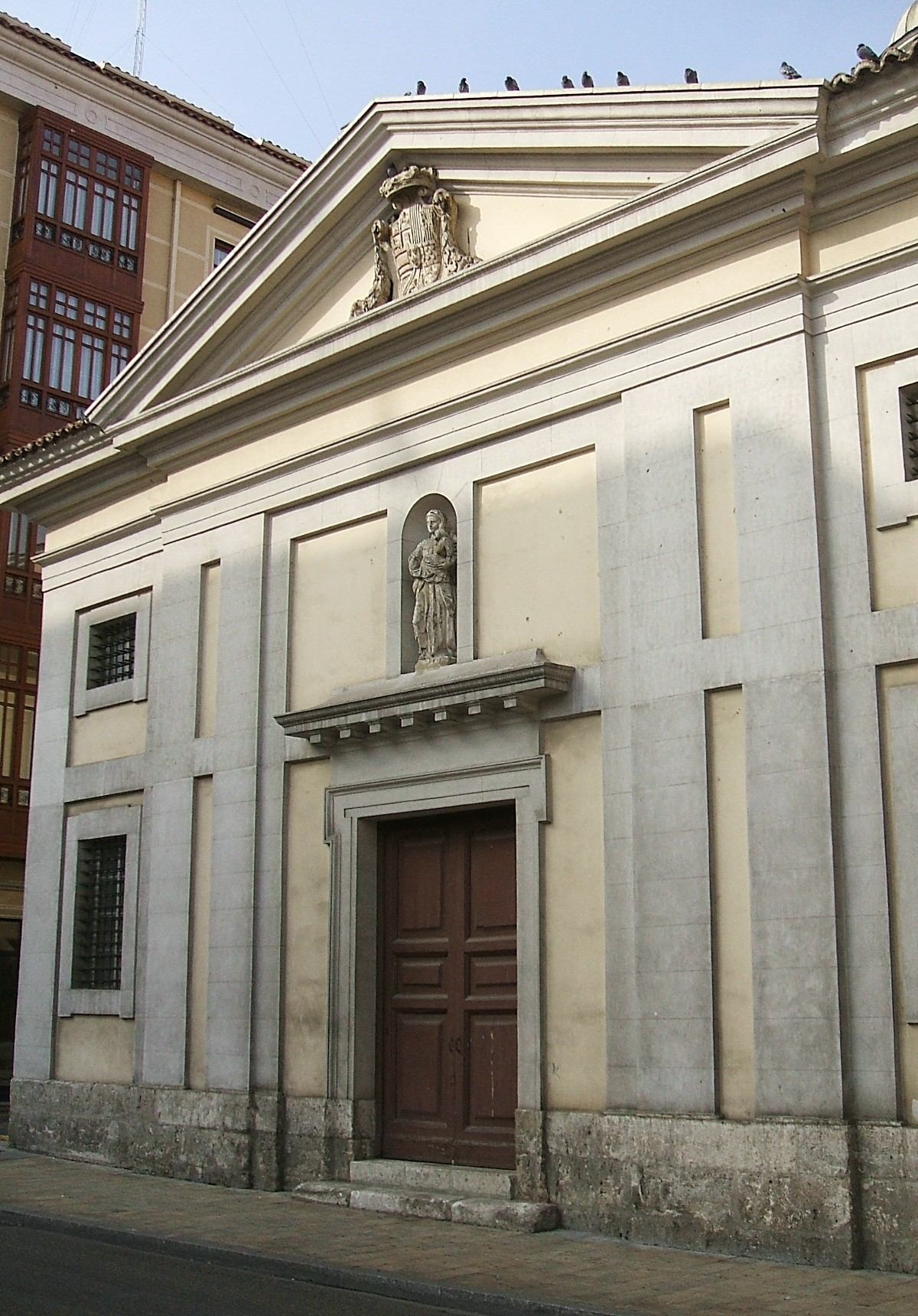
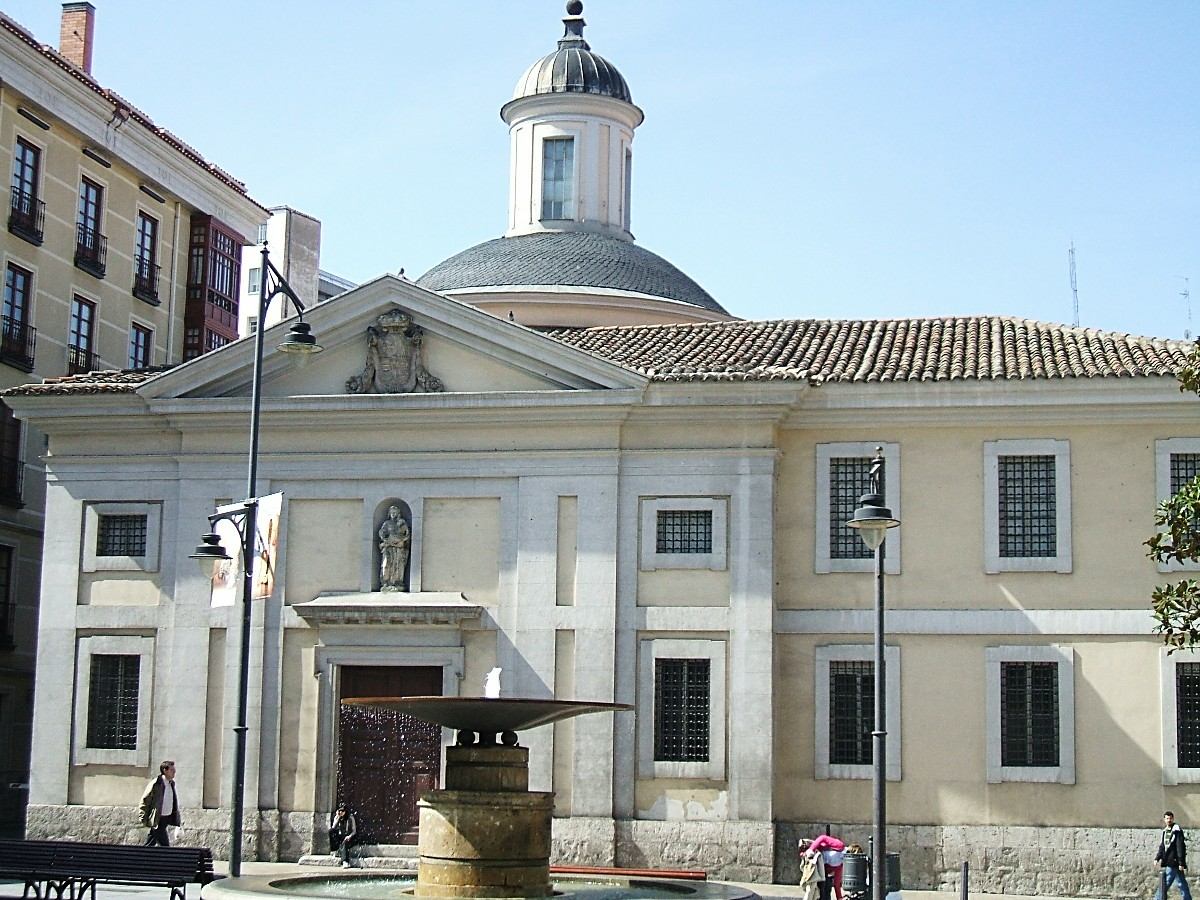
The Museo del Monasterio de San Joaquín y Santa Ana is a museum of sacred art in Valladolid, set behind a stark neoclassical façade on Plaza Santa Ana. It occupies part of an active convent of Cistercian Bernardine nuns, so a visit combines centuries-old religious art with a rare glimpse behind the walls of a living monastic community.
Where does this place come from?
The community's roots go back to 1596, when a group of Benedictine-Cistercian recoleta nuns moved to Valladolid from the area of Perales, in the province of Palencia. Settling in the city, the sisters adopted Saints Joachim and Anne as patrons, giving the convent its current name and dropping its earlier dedication. Architect Francisco de Praves adapted the original buildings for monastic use.
By the late 18th century the structure had deteriorated so badly that in 1777 the community petitioned the Spanish crown for help, since the monastery held royal-foundation status — the source of "Real" in its full name. The new building went up between 1780 and 1787 to designs by Francesco Sabatini, one of the leading court architects under Charles III. The result is a deliberately austere neoclassical block, typical of the period's late-century restraint.
What is there to see inside?
The museum has operated since 1978 across seven rooms on two floors of the former convent. The collection includes 16th-century paintings, a set of dressed images of the Christ Child, and polychrome wood sculptures ranking among the finest examples of Spanish Baroque carving. Highlights include a Reclining Christ by Gregorio Fernández and a Sorrowful Virgin by Pedro de Mena, two sculptors considered the leading figures of 17th-century Spanish religious carving.
The convent church holds a further surprise: three early canvases by Francisco de Goya, alongside works by Ramón Bayeu. These are the only paintings by Goya preserved anywhere in the region of Castile and León, making the site a genuine must for anyone interested in Spanish painting, even though the building itself draws far fewer visitors than Valladolid's larger museums.
How do you get there and when should you go?
The museum sits at Plaza Santa Ana 4, in a quiet part of the city that is an easy walk of about fifteen minutes from Valladolid's historic centre. It opens Wednesday through Monday, from 10:00 to 14:00 and again from 17:00 to 20:30, and is closed to visitors on Tuesdays.
Because part of the building remains an enclosed convent, it is worth allowing some flexibility when planning a visit — access follows the rhythm of the community's daily life, and certain rooms may only be open at specific times. The afternoon opening slot makes the museum a natural fit for a day that pairs a morning tour of the city centre with a calmer, less crowded visit in the early evening.
Who is this museum for?
This is a destination for travellers with a specific interest in sacred art, Baroque sculpture, or architectural history, rather than a stop on a quick city-centre loop. The compact scale of the seven rooms means the whole collection can be seen unhurried in under an hour, making it a strong complement to a visit to Valladolid's larger museums — including the nearby Museo de Valladolid, a separate institution unrelated to the San Joaquín y Santa Ana convent.
Frequently Asked Questions
Do nuns actually still live in the monastery? Yes. San Joaquín y Santa Ana remains an active Cistercian convent, and the museum occupies only the section of the building open to the public.
What is the standout piece in the collection? The three early paintings by Francisco de Goya in the convent church — the only works by the artist preserved in Castile and León — along with sculptures by Gregorio Fernández and Pedro de Mena.
How long does a visit take? With just seven rooms, a full visit typically takes 45 to 60 minutes.
Is the museum open every day? No, it is closed on Tuesdays; on other days it operates in two blocks, morning and evening.
Nearby places

Earn badges for the places you visit
Download NextOnTrip, discover new places and check off your trails.