About this place
The Church of St. Lawrence (Iglesia de San Lorenzo) sits on the bank of the Pisuerga river in Valladolid and holds one of the city's most significant religious traditions — a Marian image regarded as the patron saint of Valladolid. The site combines a medieval legend, a Gothic rebuilding financed by Spain's Catholic Monarchs, and a rather drastic 20th-century transformation of the surrounding block.
How do you get there?
The church stands in the central part of the city, close to the Pisuerga riverfront, which makes it an easy walk from Valladolid's main historic sites. The most pleasant approach is along the river promenade from the old town, a route worth taking regardless of the time of day.
What is the history behind it?
The legend of the recovered image
Local tradition holds that around 1091 a priest brought a Marian image from Consuegra, in Toledo province, to the area. The image stayed hidden for decades until, in 1125, a shepherd found it inside a cave on the bank of the Pisuerga. It was then placed in a small hermitage dedicated to St. Lawrence — the origin of the name that later attached to the whole devotion.
Building the Gothic church
In 1485, Count Pedro Niño had the old hermitage pulled down. At the urging of the Catholic Monarchs, a larger stone church in Gothic style went up in its place. From that point on, the building became widely known through its association with the Virgin of San Lorenzo.
A brotherhood and a coronation
In 1781, a religious brotherhood dedicated to Our Lady of San Lorenzo was founded to look after the cult surrounding the image. That devotion reached its peak on 21 October 1917, when the image received a canonical coronation and was formally declared patron saint of Valladolid.
The 20th-century rebuild
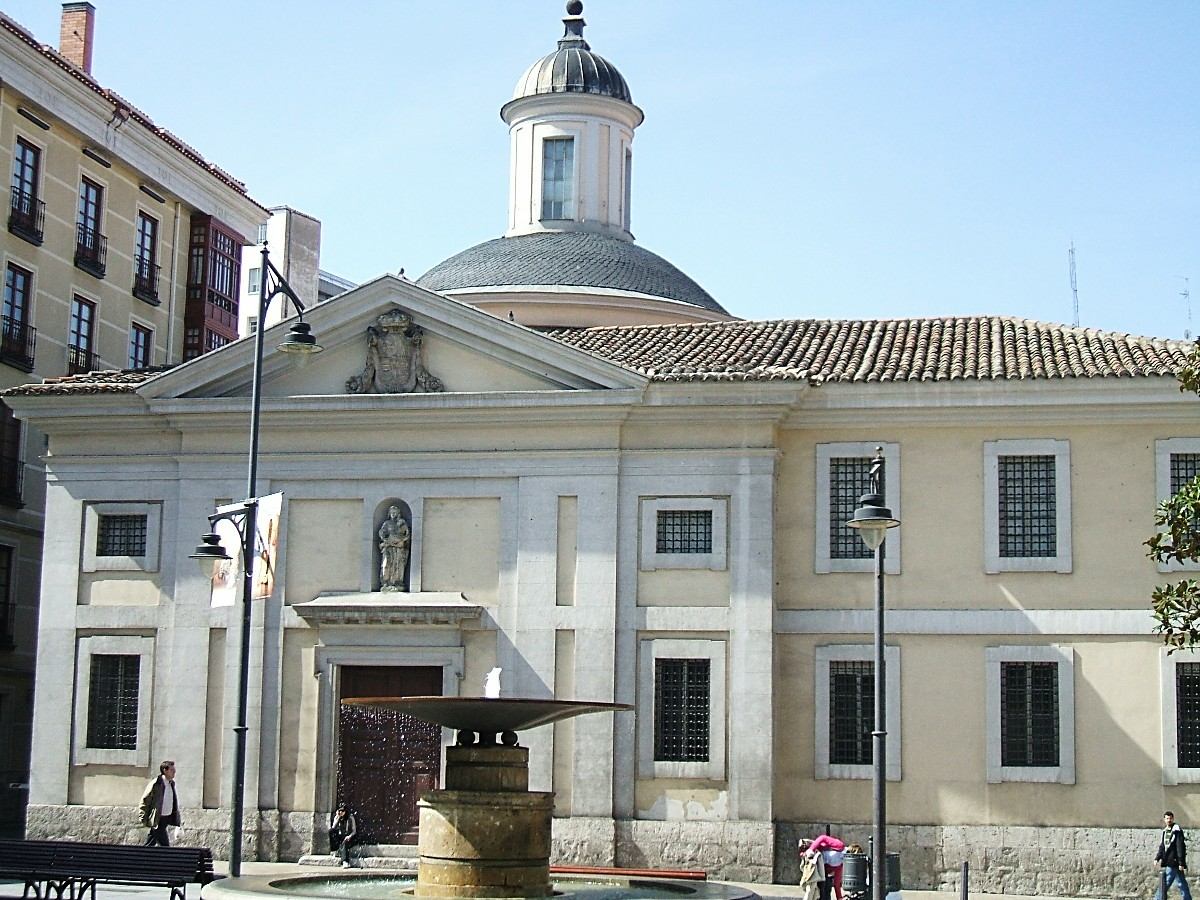
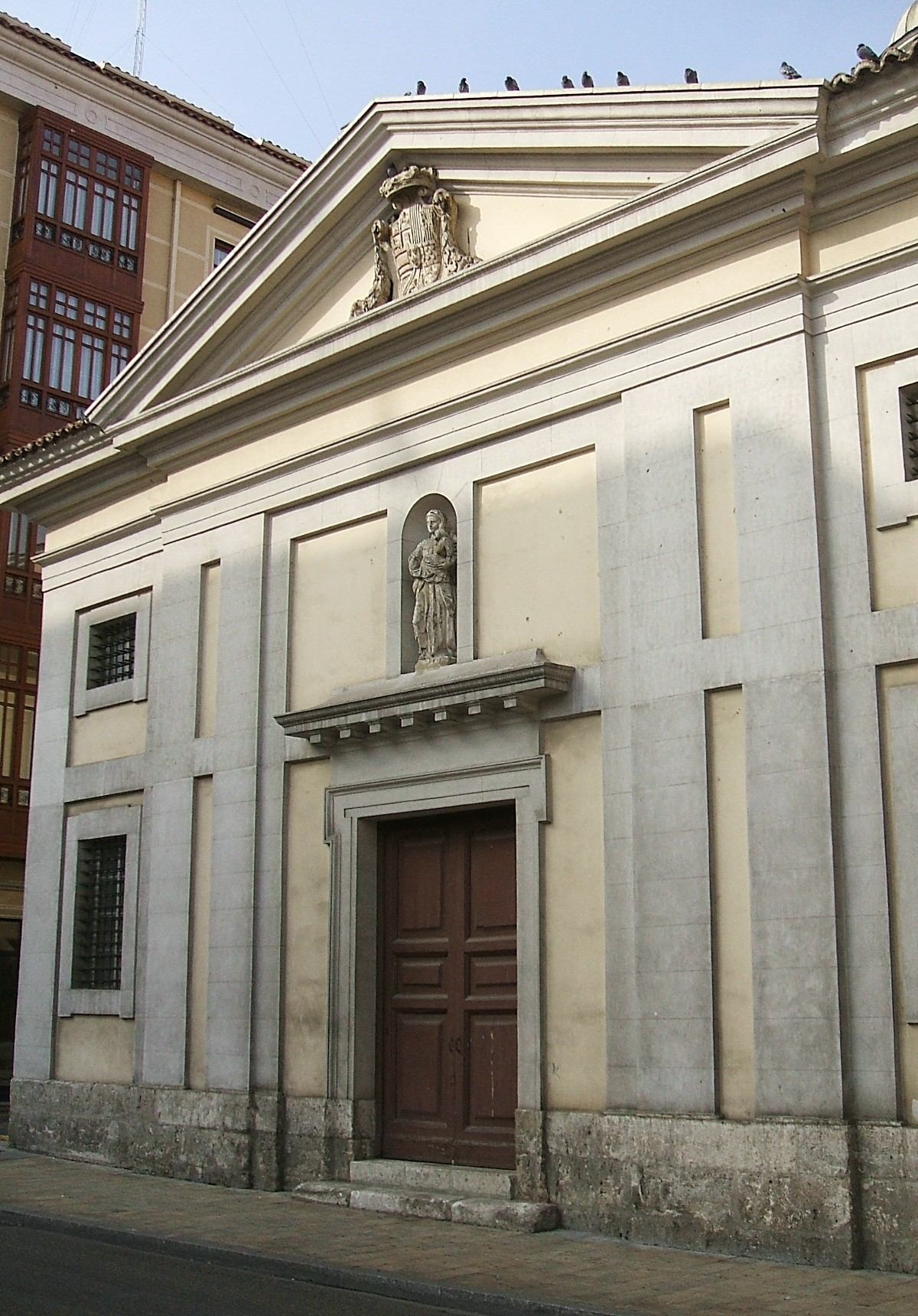
The original three-nave Gothic church did not survive intact: most of it was demolished in the 1970s. Only the tower of the main chapel and the facade were kept, while the rest of the site was redeveloped as housing. A new church was fitted into the ground floor of the resulting building.
What can you see inside?
The interior and sacristy preserve valuable pieces from the older building. Among them are sculptures by Gregorio Fernández, one of Spain's leading Baroque sculptors, and a painting of the Recumbent Christ (Cristo Yacente) attributed to Mateo Cerezo. Alongside the venerated Marian image itself, these works draw both worshippers and visitors interested in religious art.
When is the best time to visit?
The church can be visited year-round, but 21 October stands out as the anniversary of the image's coronation, marked by religious celebrations in and around the building. Travellers who prefer a quieter visit are better off choosing an ordinary weekday outside that date.
Frequently asked questions
What is the Church of St. Lawrence in Valladolid known for? Above all for the devotion to the Virgin of San Lorenzo, the Marian image recognized as the city's patron saint and canonically crowned in 1917.
Has the original Gothic building survived? Only in part. After the 1970s demolition, just the main chapel's tower and the facade remain, and the current church operates from a residential building erected on the same site.
What artworks are on display inside? Sculptures by Gregorio Fernández and a painting of the Recumbent Christ attributed to Mateo Cerezo, both kept in the church and its sacristy.
Where does the church's name come from? From the hermitage dedicated to St. Lawrence, to which the Marian image found near the Pisuerga was moved during the medieval period.
Nearby places

Earn badges for the places you visit
Download NextOnTrip, discover new places and check off your trails.