About this place
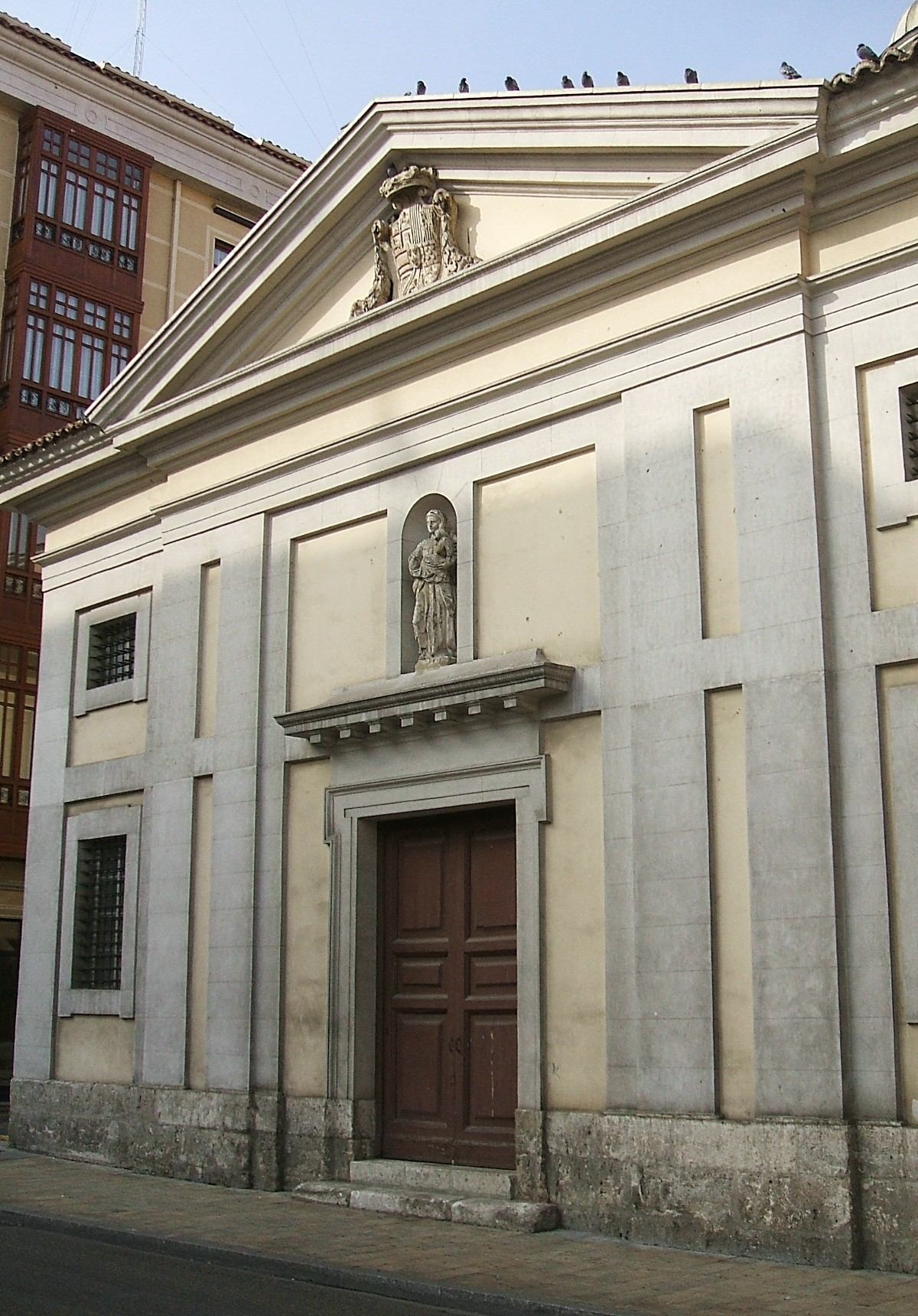
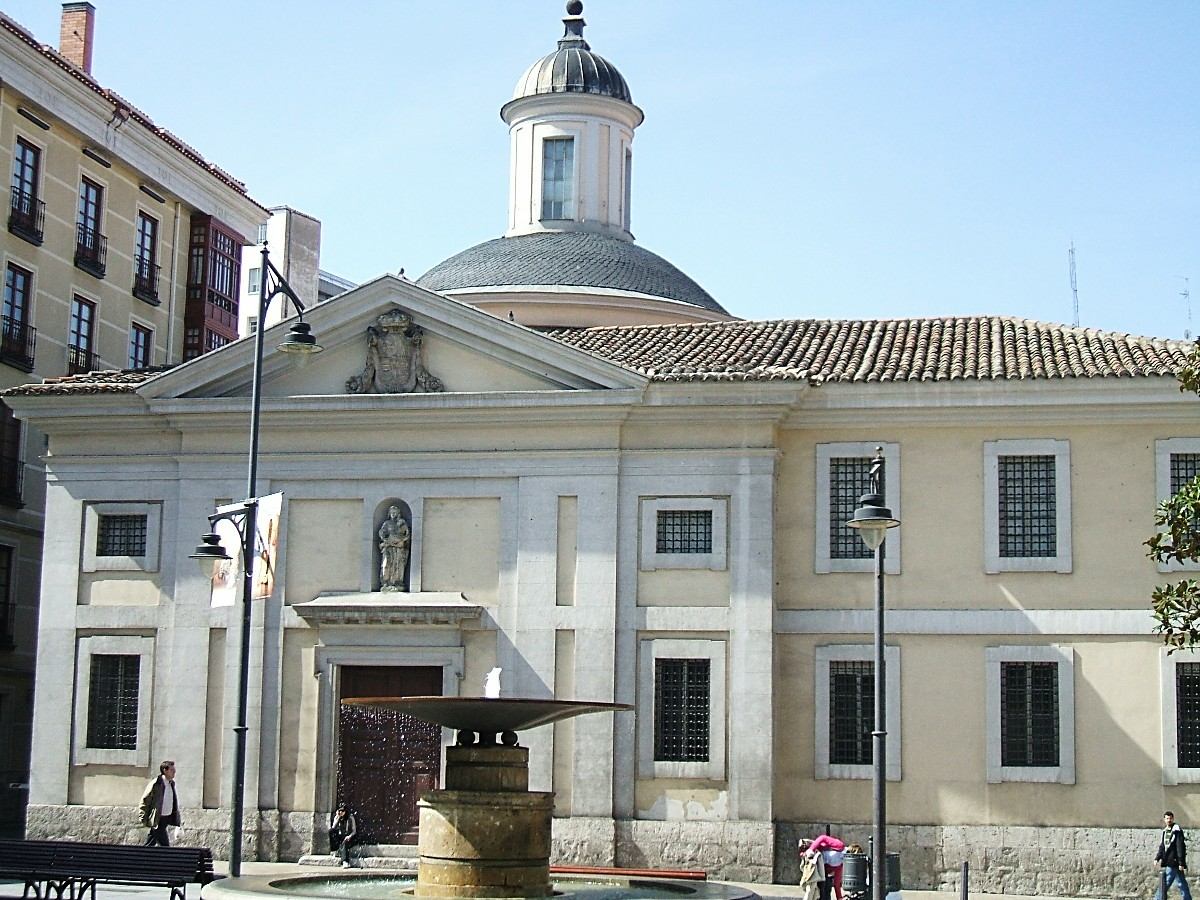
Convent of Comendadoras de Santa Cruz is a former convent of the Order of Santiago in Valladolid, whose church and cloister still stand today, folded into a later residential block in the city centre.
Where in Valladolid is it located?
The site sits in the historic heart of the city, on what used to be Calle del Campo, close to other centuries-old convent foundations that shaped this part of Valladolid. Its coordinates are roughly 41.6495 N, 4.7293 W, which places it firmly within easy walking distance of the old town.
Who founded the convent, and when?
Two sisters, María de Zúñiga and María de Fonseca, established the foundation in 1487, donating their own houses on Calle del Campo for the purpose. They named the community Santa Cruz and took the habit themselves, creating a strictly enclosed institution meant for "ladies of distinction" — daughters and sisters of Spain's great titled families. The convent belonged to the comendadoras, or lady commanders, of the Order of Santiago, a military-religious order whose commander title was normally reserved for knights, making this a fairly unusual arrangement for a women's community.
How did the convent church come to be built?
Construction of the church began in the 17th century under the patronage of María Ana Ladrón de Guevara, connected to the families of the Counts of Oñate and Marquises of Viana, who oversaw the foundation for years. The work was completed thanks to generous donations from Teresa de Zúñiga y Pacheco, Marquise of Castrofuerte. This church, built up over generations of patronage, is the part of the complex that has survived most intact to the present day.
What happened to the convent after the Spanish disentailment?
The community of comendadoras remained active until the 19th-century disentailment, when church properties across Spain were confiscated and sold off. The buildings then passed to a community of Dominican Rosary sisters, popularly known in the city as "Las Francesas," who opened a girls' school on the site. The sisters ran the school for decades before relocating to a new home in the Huerta del Rey district in the 1970s. The vacated complex was subsequently sold to a property developer, who built new residential blocks around the old convent.
What has survived to the present day?
Only the church and the cloister remain from the original convent — everything else on the site dates from the redevelopment that followed the 1970s sale. For visitors, this means the former convent isn't a stand-alone, isolated monument but a piece of history embedded in a much more recent urban fabric, which is itself a telling example of how historic Valladolid coexists with the modern city centre.
Why does this site matter for anyone exploring Valladolid?
Its history highlights a lesser-known thread in the city's past: noblewomen's foundations tied to a knightly order rather than to ordinary contemplative monasticism. That makes it a worthwhile reference point for anyone interested in religious architecture and the social history of Valladolid beyond the most obvious tourist routes.
Frequently Asked Questions
Where exactly is the Convent of Comendadoras de Santa Cruz? In the historic centre of Valladolid, on the former Calle del Campo, near several other historic convent foundations in the city.
Who founded the convent, and for what purpose? It was founded in 1487 by sisters María de Zúñiga and María de Fonseca as an enclosed community for noblewomen from Spain's great titled families, affiliated with the comendadoras of the Order of Santiago.
Has the building survived in its original form? Not entirely — only the church and cloister remain from the original complex, now surrounded by residential buildings constructed after a 1970s sale.
What other name was the convent known by? After it passed to the Dominican Rosary sisters, the building became popularly known in Valladolid as "Las Francesas."
Nearby places

Earn badges for the places you visit
Download NextOnTrip, discover new places and check off your trails.