About this place
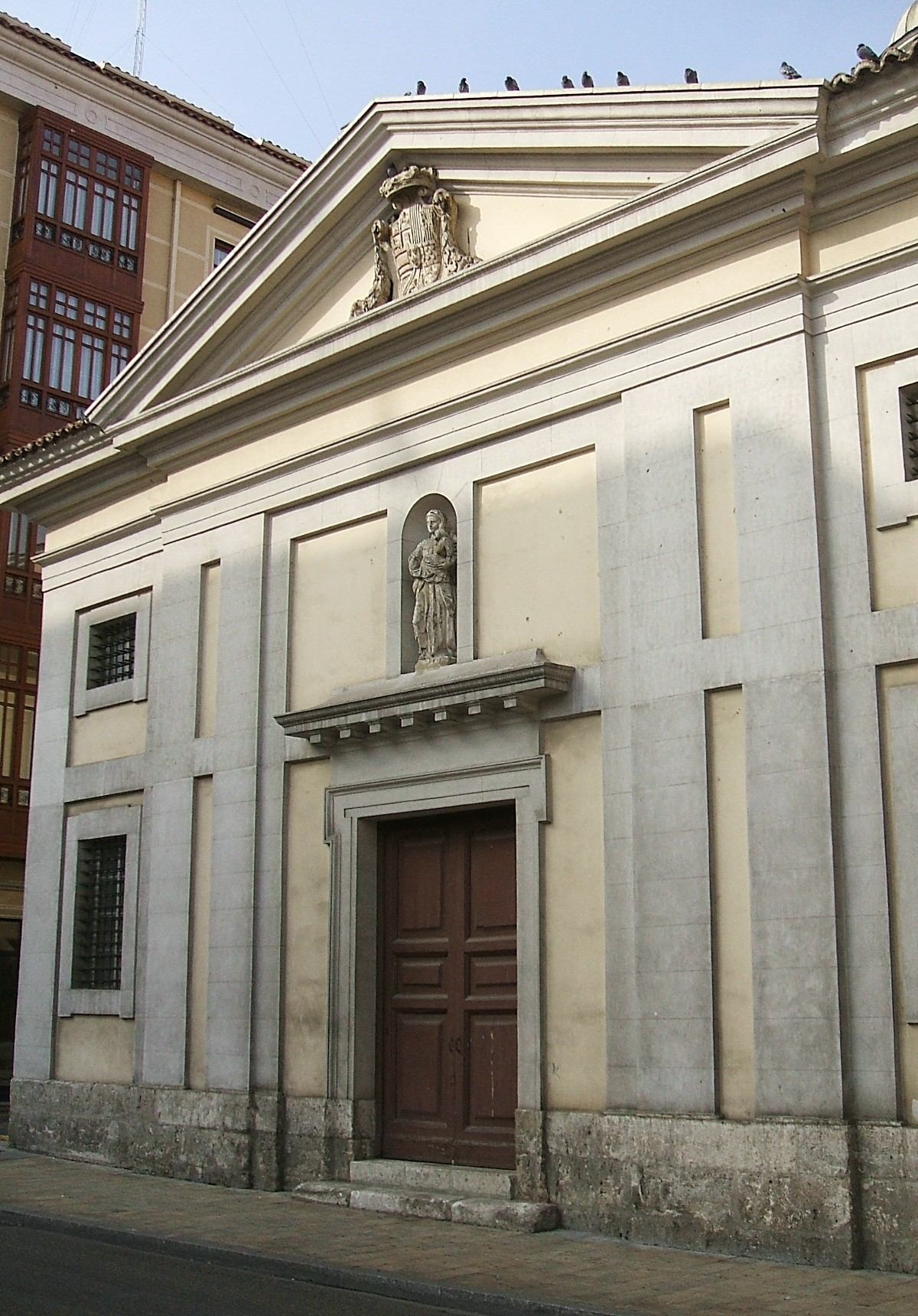
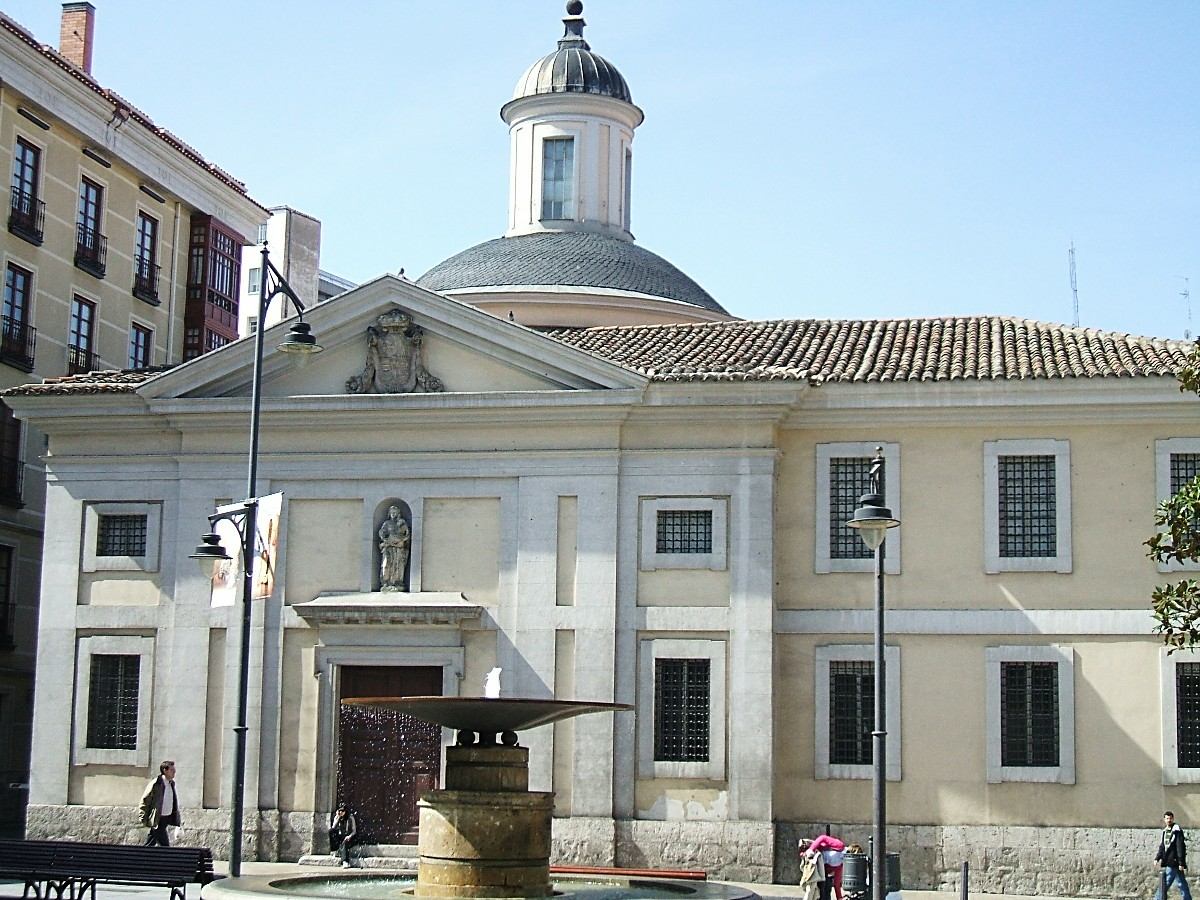
Church of La Pasión in Valladolid is a former penitential brotherhood chapel that today serves as an exhibition hall in the heart of the city.
Where did this church come from?
Construction began in the late 1570s and the building was consecrated in 1581. It was raised as the headquarters of the Penitential Brotherhood of the Sacred Passion of Christ (Cofradía de la Pasión), a confraternity active since 1531 and one of only five historic brotherhoods in Valladolid to have survived continuously from the 16th century to today. Before the brotherhood had its own chapel, its members gathered at the Hospital de Ánimas attached to the Santiago parish, where they carried out charitable work and supported prisoners. The building itself was overseen by master builders Juan de Mazarredonda, Juan de Nates and Pedro del Río, and it stands as the first penitential church built in the city.
What architectural style does it show?
The church is a Baroque building with features leaning toward the Churrigueresque style, though built before that style reached its full ornamental peak. Its façade is densely covered with references to the Passion of Christ, which gives the building both its character and its name. The interior underwent partial rebuilding in the 17th century, and in 1666 the decoration of the vault was entrusted to Felipe Berrojo, regarded at the time as one of the finest craftsmen working in this field.
How has the building's role changed over time?
The church stopped functioning as a place of worship in the 19th century and was closed to religious use. A major turning point came on March 10, 1928, when it was declared a national monument. Following restoration work, the building reopened in 1968 as a painting museum. Today it operates as an exhibition hall used for temporary displays, and it remains one of the notable historic buildings in Valladolid's city center.
Where exactly is it located?
The church sits in Valladolid's historic center, close to several other landmark buildings, which makes it easy to include on a walk through the old town. Given its modest scale and central position, it is the kind of site visitors typically see as part of a longer stroll rather than as a separate outing.
Why is it worth a visit?
The building's appeal lies in the combination of religious and artistic history it represents: it is a record of one of the oldest penitential brotherhoods in the city, as well as an example of Baroque architecture evolving toward more ornamental forms. The façade's Passion-themed carvings and the vault decorated by Berrojo are the details most likely to catch the eye of anyone interested in religious architecture or Baroque art, even though the building no longer serves a religious function.
Frequently Asked Questions
Is the Church of La Pasión still used for religious services? No. It was closed to worship in the 19th century and has operated as an exhibition space since 1968.
Who built the church and why? It was built by the Penitential Brotherhood of the Sacred Passion of Christ, active since 1531, as its own chapel — before that, members met at a hospital attached to the Santiago parish.
What architectural style does the building represent? It is a Baroque building leaning toward the Churrigueresque style, with a façade rich in Passion of Christ imagery and a vault decorated in 1666 by Felipe Berrojo.
When was the building recognized as a historic monument? It was declared a national monument on March 10, 1928, and reopened after restoration in 1968 as a museum.
Nearby places

Earn badges for the places you visit
Download NextOnTrip, discover new places and check off your trails.