- Sacred Monuments
- Religious monuments
Monastery of Santa María Magdalena, Medina del Campo
About this place
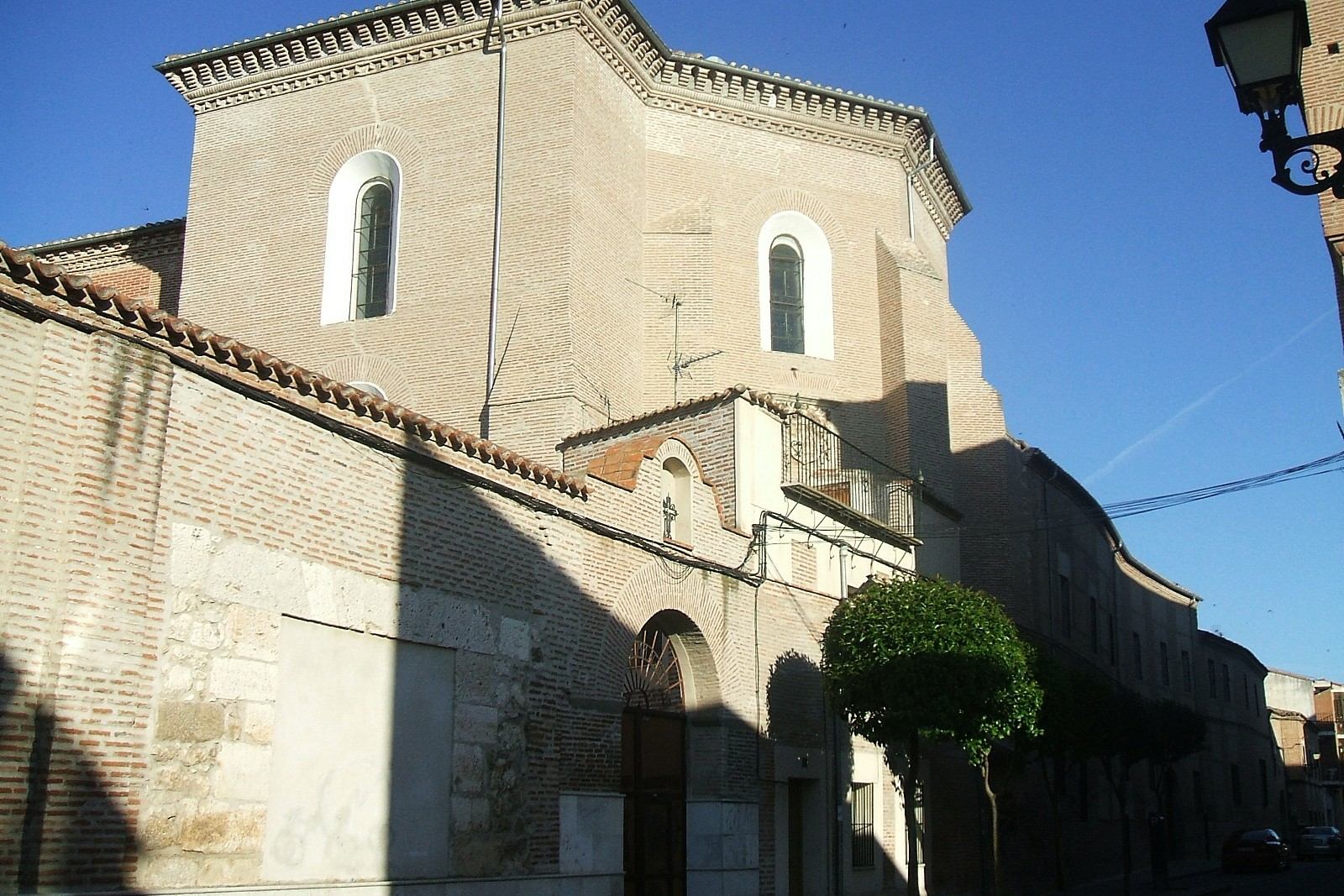
Monastery of Santa María Magdalena is a 16th-century Augustinian convent in Medina del Campo, one of the historic towns of the Valladolid province in Castile and León.
Who founded the monastery?
The monastery was established in 1551 by Rodrigo de Dueñas, an influential banker and Treasury counselor to Emperor Charles I, together with his wife Catalina Cuadrado. It was built with a dual purpose: to serve as a family burial site and to shelter women seeking spiritual renewal. The design is attributed to Rodrigo Gil de Hontañón, one of the leading architects of the Spanish Renaissance. Augustinian nuns have lived here continuously since its foundation, keeping the building an active place of worship rather than a mere monument.
What can you see inside?
The church is the most valuable part of the complex, built in a Gothic-Renaissance style on a Latin cross plan. Its interior consists of a single nave divided into three sections, a transept with modestly developed arms, and a chancel closed by a flattened apse. The walls of the transept and chancel are covered with grisaille murals depicting scenes from the life of Saint Joseph and the Passion of Christ, dated to around 1558 and attributed to the painter Luis Vélez of Medina del Campo. Another highlight is the sculptural Calvary group carved by Esteban Jordán, commissioned in 1571 by Juan de Ahumada Hormaza, the founder's son, who chose this very spot as his own burial place.
How do you get to the monastery?
Medina del Campo sits in the province of Valladolid, well connected to the rest of Castile through a network of national roads and rail links — the town has its own station served by regional and long-distance trains. From central Valladolid, the drive takes about half an hour. The monastery stands in the historic quarter of town, a short walk from major landmarks such as La Mota Castle, making it easy to combine both sites in a single visit.
When is the best time to visit?
Because the community follows an enclosed monastic life, access to the interior can be limited to specific hours or occasions — it's worth checking current visiting arrangements beforehand, ideally through the local tourist office in Medina del Campo. Spring and early autumn bring milder weather, making them pleasant seasons for exploring the town on foot. Timing a visit around market days is also worthwhile, since Medina del Campo has a trading tradition dating back to the Middle Ages that adds extra color to a walk through the area.
Frequently asked questions
Who founded the Monastery of Santa María Magdalena? It was founded in 1551 by Rodrigo de Dueñas, a banker and Treasury counselor to Charles I, together with his wife Catalina Cuadrado.
What architectural style does the monastery church represent? The church blends Gothic and Renaissance elements, following a Latin cross plan with a distinctive flattened apse in the chancel.
What do the paintings inside the church depict? The grisaille murals, created around 1558, show scenes from the life of Saint Joseph and the Passion of Christ.
Can visitors tour the monastery? Yes, though since Augustinian nuns still live there, access can be limited — it's best to check opening hours in advance.
Nearby places
-

Nuestra Señora de la Asunción, La Seca
La Seca
-
Monastery of Santa María de la Mejorada
Olmedo
-
Royal Convent of Santa Clara
-
Iglesia museo de San Antolín de Tordesillas
Tordesillas
-
Monasterio de Nuestra Señora de Gracia
Madrigal de las Altas Torres
-
Convento Agustino de Extramuros
Madrigal de las Altas Torres
Earn badges for the places you visit
Download NextOnTrip, discover new places and check off your trails.