- Sacred Monuments
- Religious monuments
Monasterio de Nuestra Señora de Gracia
About this place
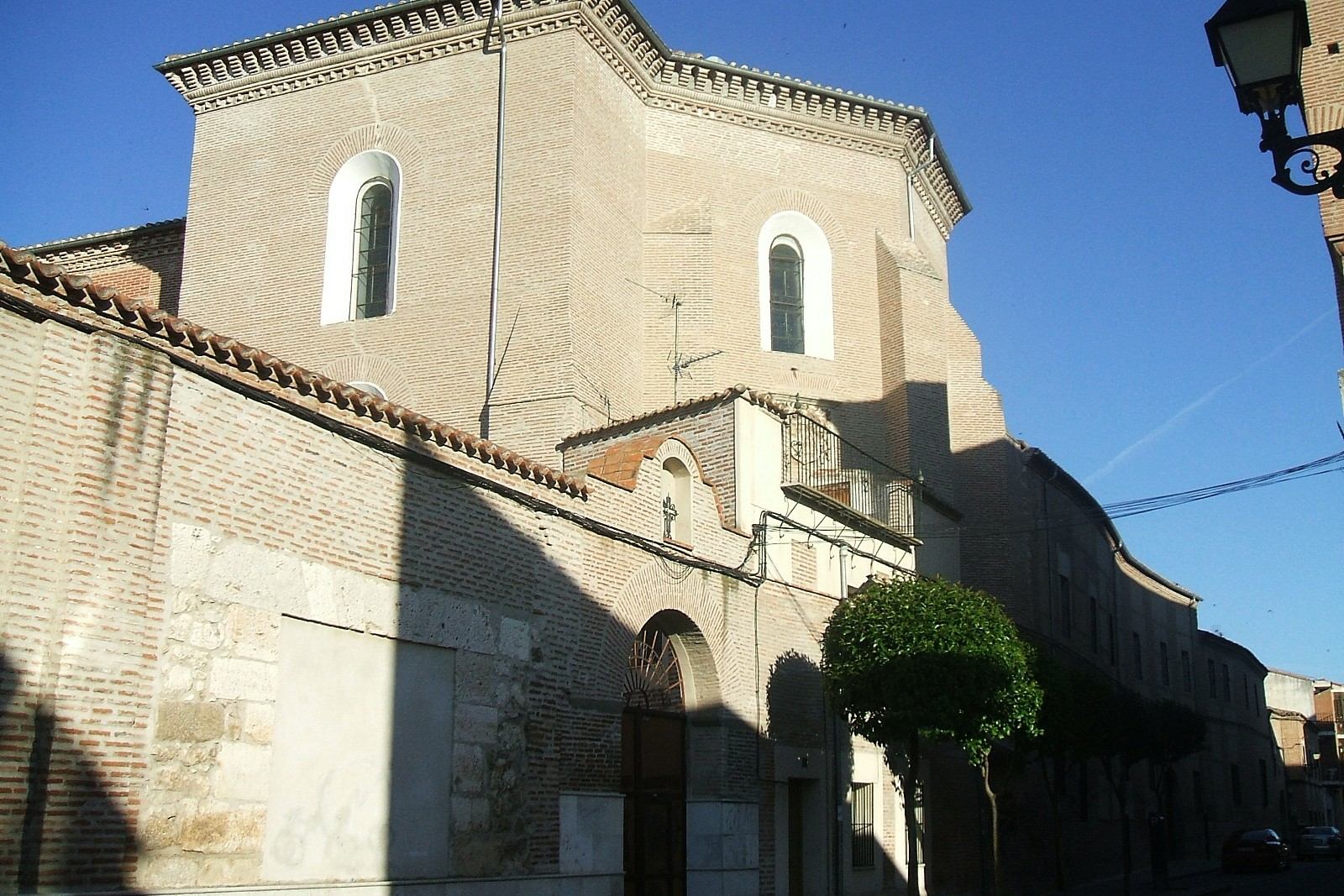
Monasterio de Nuestra Señora de Gracia is a monastery of Augustinian nuns in Madrigal de las Altas Torres, in the province of Ávila, built within the walls of a former royal palace where Isabella of Castile was born.
What will you see?
The building originally served as a royal residence — the earliest documented references to its existence come from the stay of Peter I of Castile, though parts of the structure may date back to the 13th century. It was here, on 22 April 1451, that Isabella was born, the daughter of John II of Castile and his second wife, Isabella of Portugal. The future queen spent the first years of her childhood in the palace (1451–1455) and returned to it repeatedly throughout her life.
The character of the site changed in the 16th century. In 1527, Charles V granted the palace to a community of Augustinian nuns, establishing the Monasterio de Nuestra Señora de Gracia. Eight years later, in 1535, the emperor gave it to his aunt, María de Aragón, daughter of Ferdinand the Catholic and prioress of the local community. Notably, as early as 1499 two natural daughters of Ferdinand the Catholic — María Blanca and María Esperanza de Aragón — had already entered the convent, illustrating the close ties between this site and the Spanish royal family.
Today visitors can see remnants of the original palace architecture embedded within the monastery's structure, including spaces linked to the future queen's birth. Since 21 September 1942, the complex has held the status of Bien de Interés Cultural, Spain's official cultural heritage designation, confirming its exceptional historical significance.
How to get there?
Madrigal de las Altas Torres lies in the northeastern part of the province of Ávila, in the Castile and León region. The town sits within reasonable reach of larger centers such as Medina del Campo and Arévalo, making it easy to combine a visit to the monastery with other stops on the trail of Isabella the Catholic. The most convenient way to reach the town is by car, using local roads connected to the wider highway network of Ávila and Valladolid provinces.
When to visit?
The monastery remains home to an active religious community, so visits follow set opening hours rather than free access throughout the day. Spring and autumn are the best times to visit, as temperatures across the Castilian plateau are milder than during the hot summer months. It's worth planning the trip to combine it with other sites tied to Isabella the Catholic's life in the region, such as Medina del Campo, where the queen later died.
Frequently asked questions
Was Isabella the Catholic really born in this building? Yes, according to historical sources, the future Queen Isabella I of Castile was born on 22 April 1451 in the palace that was later converted into the Monasterio de Nuestra Señora de Gracia.
Since when has the building functioned as a monastery? The Augustinian community settled in the former palace in 1527, following a donation from Emperor Charles V.
Can visitors tour the interior of the monastery? Yes, but access is limited to designated hours, as the building remains an active religious house inhabited by Augustinian sisters.
What protected heritage status does the site hold? The Monasterio de Nuestra Señora de Gracia was declared a Bien de Interés Cultural (Spanish cultural heritage site) on 21 September 1942.
Nearby places
-

Convento Agustino de Extramuros
Madrigal de las Altas Torres
-
Monastery of Santa María Magdalena, Medina del Campo
Medina del Campo
-
church of San Pedro Apóstol, El Oso
El Oso
-
Monastery of Santa María de la Mejorada
Olmedo
-
church of Santo Tomás, Santo Tomé de Zabarcos
Santo Tomé de Zabarcos
-
Iglesia Nuestra Señora de la Asunción
Salmoral
Earn badges for the places you visit
Download NextOnTrip, discover new places and check off your trails.