- Sacred Monuments
- Religious monuments
Convento Agustino de Extramuros
About this place
Convento Agustino de Extramuros is a monumental, now partly ruined monastery complex standing just outside the walls of Madrigal de las Altas Torres, in the province of Ávila. Locals call it the "Escorial of Castile" — a fitting nickname, since its 16th-century Herreran design was built to rival the grandeur of Philip II's own royal residence.
The site's story begins in 1335, when María Díez founded a small beaterio here — a lay religious community living outside the town walls — under a privilege granted by Alfonso XI. A century later, in 1438, it became a convent of Augustinian nuns dedicated to Santa María de Gracia. In 1525 the nuns relocated to a building inside the city walls, handing the abandoned complex over to Augustinian friars, who settled here in 1528. The site's golden age arrived between 1578 and 1589, when Gaspar de Quiroga, Archbishop of Toledo and cardinal, commissioned an ambitious new monastery in the austere Herreran style. It served as the chapter house of the order's Castilian province, hosting chairs in canon law, philosophy, humanities, law, and theology — making it a genuine intellectual hub of its era.
What can you see there?
The full monastic complex once covered some 50,000 square meters. Although the building today stands in a state of archaeological ruin, the site has been made accessible to visitors, with marked paths and information panels guiding you both around and through it. The best-preserved element is the cloister, so striking that it alone earned the site its "Escorial of Castile" nickname.
One highlight is the Bodega de los Frailes, a wine cellar with brick barrel vaults where the monks once stored the wine they produced themselves. The old wine press (lagar) survives, along with the vast, arched underground galleries.
The convent's pantheon holds the remains of several figures connected to the Spanish royal family: Isabel de Barcelós, maternal grandmother of Isabella I of Castile; the infanta Catalina, daughter of the Catholic King; María de Aragón; and the infanta Juana, daughter of Emperor Charles V. Within these walls, in 1591, died Fray Luis de León — one of the most important poets and theologians of the Spanish Golden Age.
How do you get there?
The Convento Agustino de Extramuros sits just outside the town walls of Madrigal de las Altas Torres, an easy walk from the town center. Madrigal itself lies in the province of Ávila, in the Castile and León region, and is best reached by car.
When should you visit?
Visits run as guided tours, arranged in advance through the local tourism office. It's worth booking ahead, especially outside the summer season, when guide availability can be limited. Spring and autumn are good choices thanks to milder temperatures, since much of the visit takes place outdoors among the ruins.
Since 2007, the site has held the status of Bien de Interés Cultural (Property of Cultural Interest), recognizing its historical value despite the building's ongoing deterioration.
Frequently asked questions
Can you visit the convent even though it's in ruins? Yes. Although the building is in a state of archaeological ruin, the grounds have been prepared for visitors, with marked paths and information panels, and tours run with a guide.
Why is it called the "Escorial of Castile"? Because of the monumental Herreran architecture of the new monastery built between 1578 and 1589 under Cardinal Gaspar de Quiroga, whose scale deliberately echoed Philip II's royal residence near Madrid.
Who is buried in the convent's pantheon? Several figures linked to the royal court, including Isabel de Barcelós, grandmother of Isabella the Catholic, and the infantas Catalina and Juana.
How do you book a visit? Guided visits must be arranged in advance by contacting the Tourism Office (Oficina de Turismo) in Madrigal de las Altas Torres.
Nearby places
-

Monasterio de Nuestra Señora de Gracia
Madrigal de las Altas Torres
-
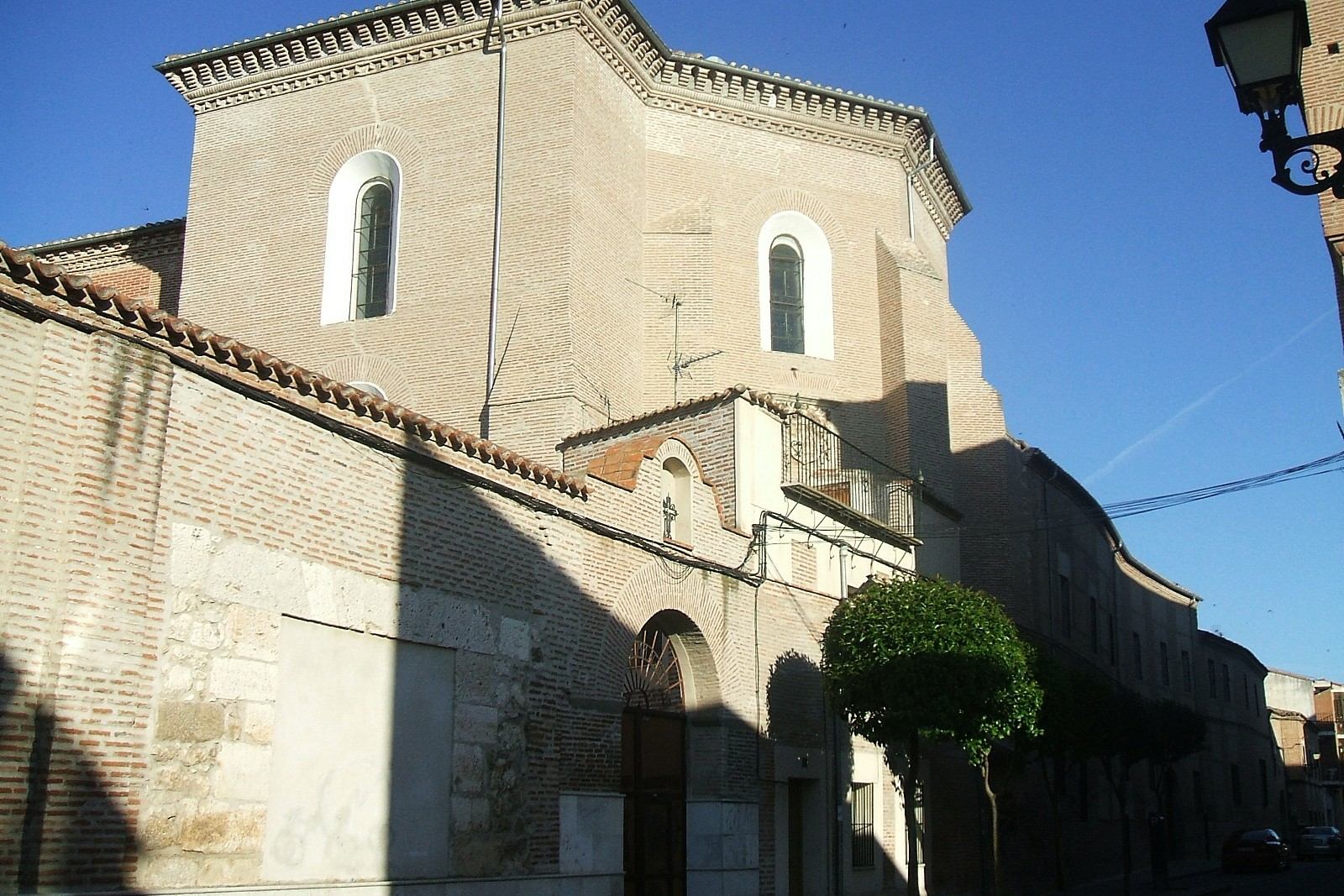
Monastery of Santa María Magdalena, Medina del Campo
Medina del Campo
-
church of San Pedro Apóstol, El Oso
El Oso
-
church of Santo Tomás, Santo Tomé de Zabarcos
Santo Tomé de Zabarcos
-
Monastery of Santa María de la Mejorada
Olmedo
-
Iglesia Nuestra Señora de la Asunción
Salmoral
Earn badges for the places you visit
Download NextOnTrip, discover new places and check off your trails.