About this place
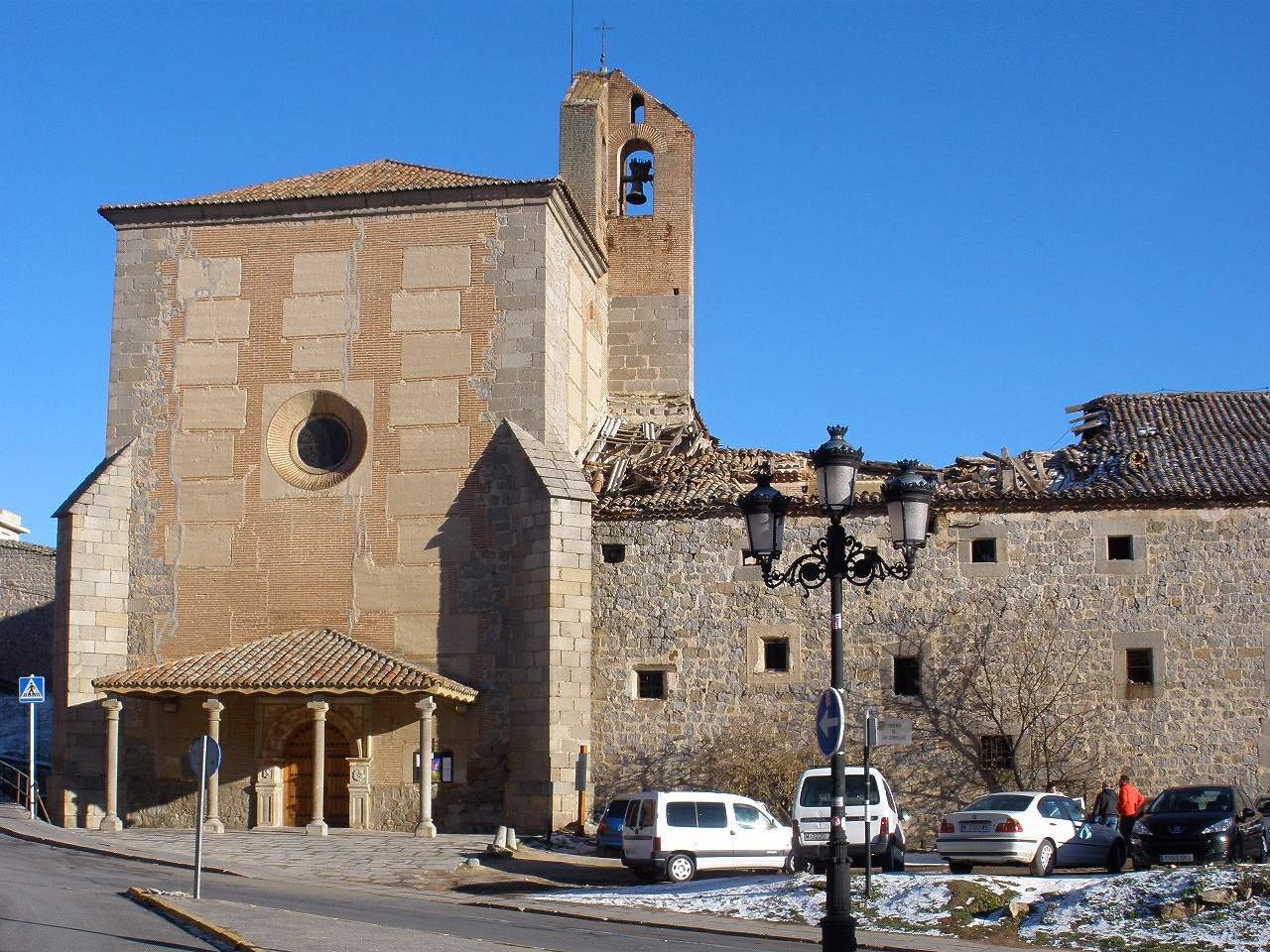
The Church of San Pedro Apóstol in El Oso is a 16th-century parish church in the municipality of El Oso, in the province of Ávila, within the La Moraña region of Castile and León. Unlike most churches in this area, which were built from brick and adobe, this one was raised in stone.
How do you get to the Church of San Pedro Apóstol?
El Oso is a small village in the province of Ávila, sitting in the historic La Moraña region, an area known for its network of shallow lagoons and wetlands. The church stands at the heart of the village and is its clearest landmark — the stone tower is visible well before you reach the houses. The easiest approach is by car from Ávila or from nearby Arévalo; the surrounding land is flat and the village itself compact, so the church is easy to find once you arrive. It also makes a sensible stop on a tour of La Moraña's rural churches, a route that takes in villages such as Hernansancho and San Pedro del Arroyo.
What will you see inside?
The interior is laid out in three aisles, separated by large semicircular arches resting on stone piers. The chancel closes with three rectangular chapels, a layout typical of churches built in this part of Ávila province. Overhead, the whole building is covered by a timber roof structure, with exposed beams giving the interior a plain, rural character common to parish churches of the period.
The centerpiece of the decoration is a Baroque altarpiece from the 17th century, carved by Manuel Vázquez Moyano, a woodworker (ensamblador) associated with Medina del Campo. It provides the main artistic focal point of the chancel, while the rest of the interior stays deliberately modest — a pattern typical of village parish churches from this era.
From the outside, the most striking feature is the stone tower rising at the west end of the church, capped by a brick belfry (espadaña) pierced by three bell openings. The contrast between the stone body of the church and the brick belfry on top illustrates how local builders combined materials: stone quarried nearby in Mingorría and Cardeñosa where it made sense structurally, and brick where it was quicker or cheaper to work with.
When is the best time to visit?
Since this is an active parish church, the interior is most accessible during services or by arranging a visit with the parish beforehand — in the small villages of La Moraña, churches are rarely left open all day. The exterior can be viewed at any time, and afternoon light works particularly well for photographing the stone tower and belfry. La Moraña rewards a visit outside the summer crowds too: its flat landscape and lagoons draw walkers and birdwatchers interested in a quieter, rural side of Ávila province, so there's no single "best" season to come.
Frequently asked questions
How old is the Church of San Pedro Apóstol in El Oso? The church itself dates to the 16th century, while its main altarpiece in the chancel was added later, in the 17th century.
Why is this church built in stone instead of brick, like others in the region? Most La Moraña churches were built from brick and adobe, but a handful of villages closer to the stone quarries of Mingorría and Cardeñosa — El Oso among them — built their churches in stone instead, taking advantage of easier access to the material.
Who made the altarpiece in the chancel? The 17th-century Baroque altarpiece was carved by Manuel Vázquez Moyano, a woodworker from Medina del Campo.
How many aisles does the church have, and how is the interior arranged? The interior has three aisles divided by semicircular arches, and the chancel ends in three rectangular chapels covered by a timber roof structure.
Nearby places

Earn badges for the places you visit
Download NextOnTrip, discover new places and check off your trails.