About this place
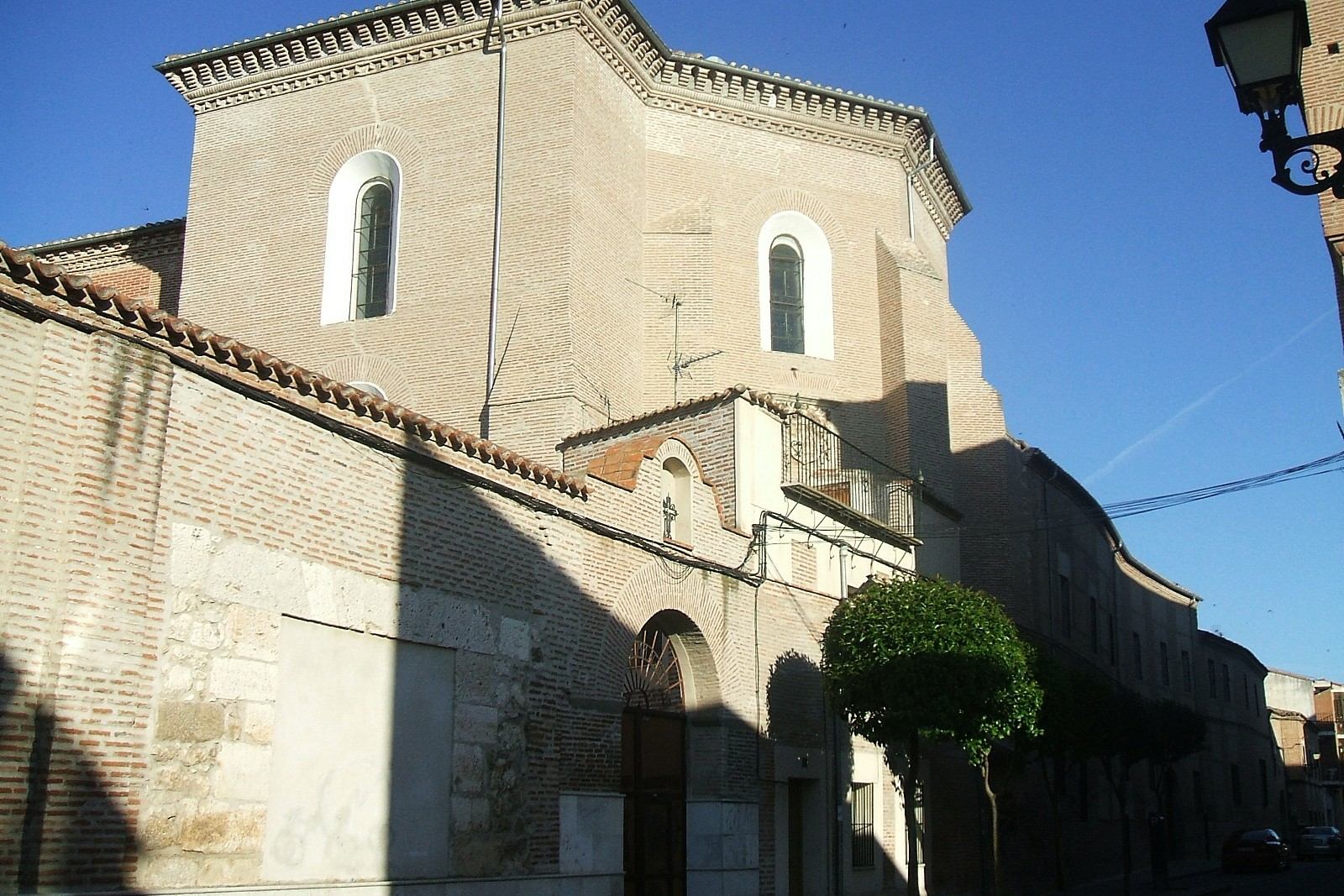
The Church of Nuestra Señora de la Asunción is a 16th-century temple in La Seca, a small town in the province of Valladolid, in the Castilla y León region of Spain. Built in brick in the Renaissance style, it stands on Calle Tomás Bayón and has long served as the town's main landmark — a town also known as one of the centers of Rueda wine production.
How do you get to the church in La Seca?
La Seca sits less than a 30-minute drive south of Valladolid, along the road toward Medina del Campo. The town is well connected by the regional highway network, and the church itself stands right in the town center, so once you arrive it's easiest to park and continue on foot — the old quarter is compact and typical of Castilian farming towns. Travelers without a car can rely on regional bus services running from Valladolid, which stop near the center.
What is there to see?
The most distinctive feature of the church is its brick tower, visible from a distance above the rooftops of La Seca. It gives the building its recognizable silhouette, though its history hasn't been entirely peaceful — on January 30, 1962, the tower collapsed. Reconstruction took a long time, stretching into later decades, and today the restored tower once again dominates the skyline, a testament to the local community's determination to bring the church back to its original appearance.
Inside, look out for the Baroque organ — an instrument that survived the turmoil surrounding the tower's collapse and still forms part of the church's furnishings today. The building itself, modest compared to the region's great cathedrals, is a solid example of Renaissance religious architecture built in brick, a common choice in smaller Castilian towns where stone was a scarcer and more expensive material.
A visit to the church pairs well with a walk through La Seca, a town whose economy still revolves largely around viticulture and Rueda wine production. The surrounding countryside is dotted with vineyards and bodegas, and the whole area's character is deeply tied to its winemaking tradition.
When is the best time to visit?
Spring and early autumn are the best times to come, when temperatures in Castilla are milder than the height of summer and the surrounding vineyards look their most striking — lush green in spring, dressed in harvest colors come autumn. Summers here tend to be very hot and dry, which can make longer walks around town less comfortable. It's also worth checking the local calendar for religious celebrations tied to the Assumption of the Virgin Mary (August 15), the church's patron feast — the town tends to be livelier than usual during that period.
Frequently asked questions
Is the church open to visitors? Opening hours are often limited and depend on the mass schedule and the local parish — it's worth checking current details locally or with the La Seca town hall before visiting.
How much time should I plan for a visit? Seeing the church itself takes about 20-30 minutes, but it's worth allowing more time to walk through La Seca's center and the surrounding vineyards.
Are there other attractions nearby? Yes — La Seca sits at the heart of the Rueda wine region, so the area has numerous bodegas offering tastings, along with other towns worth a stop, such as Medina del Campo.
Why does the church tower matter so much to locals? The tower's collapse in 1962 was a traumatic event for La Seca, and its reconstruction became a symbol of the town's attachment to its local heritage and identity.
Nearby places

Earn badges for the places you visit
Download NextOnTrip, discover new places and check off your trails.