About this place
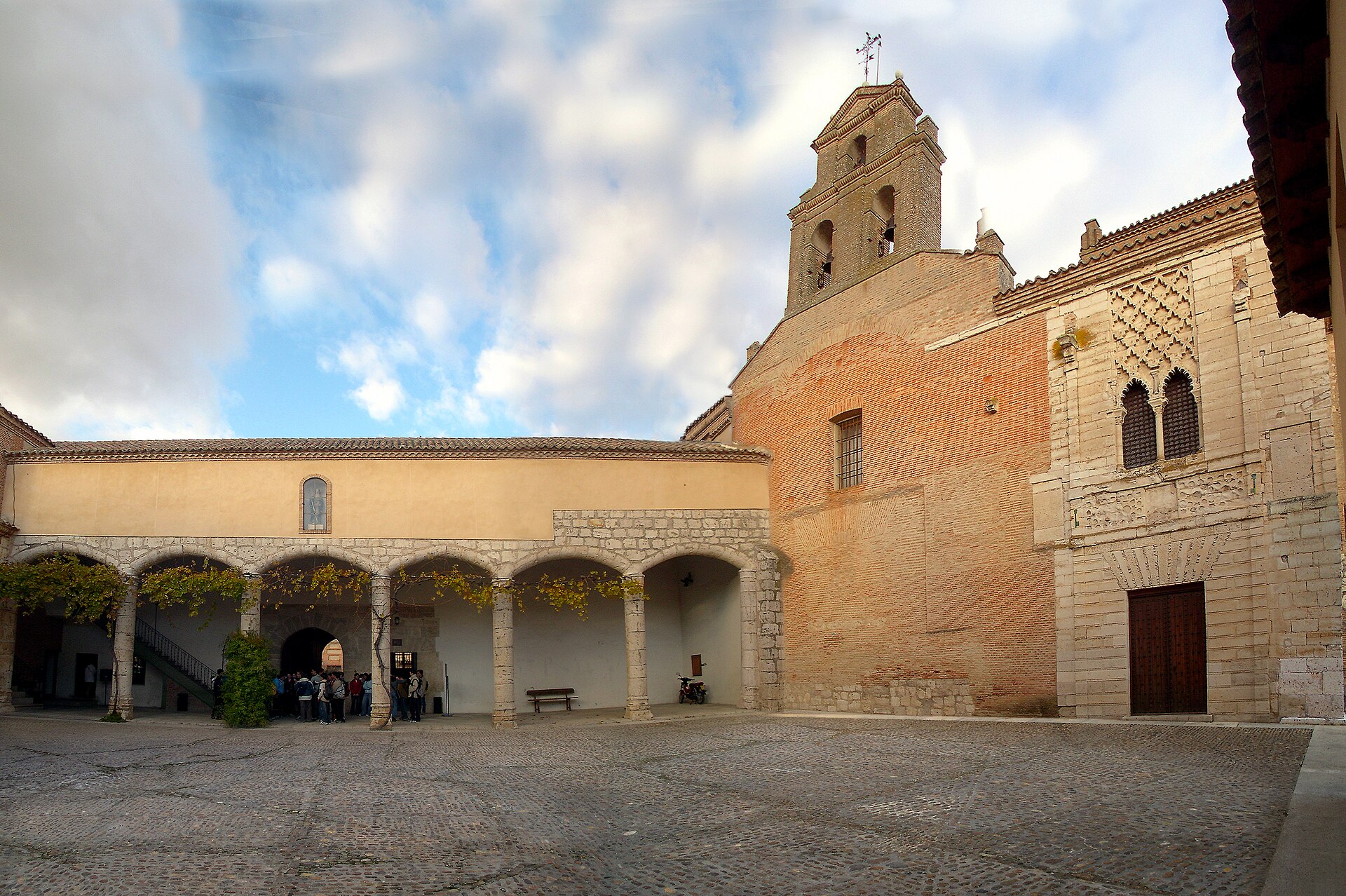
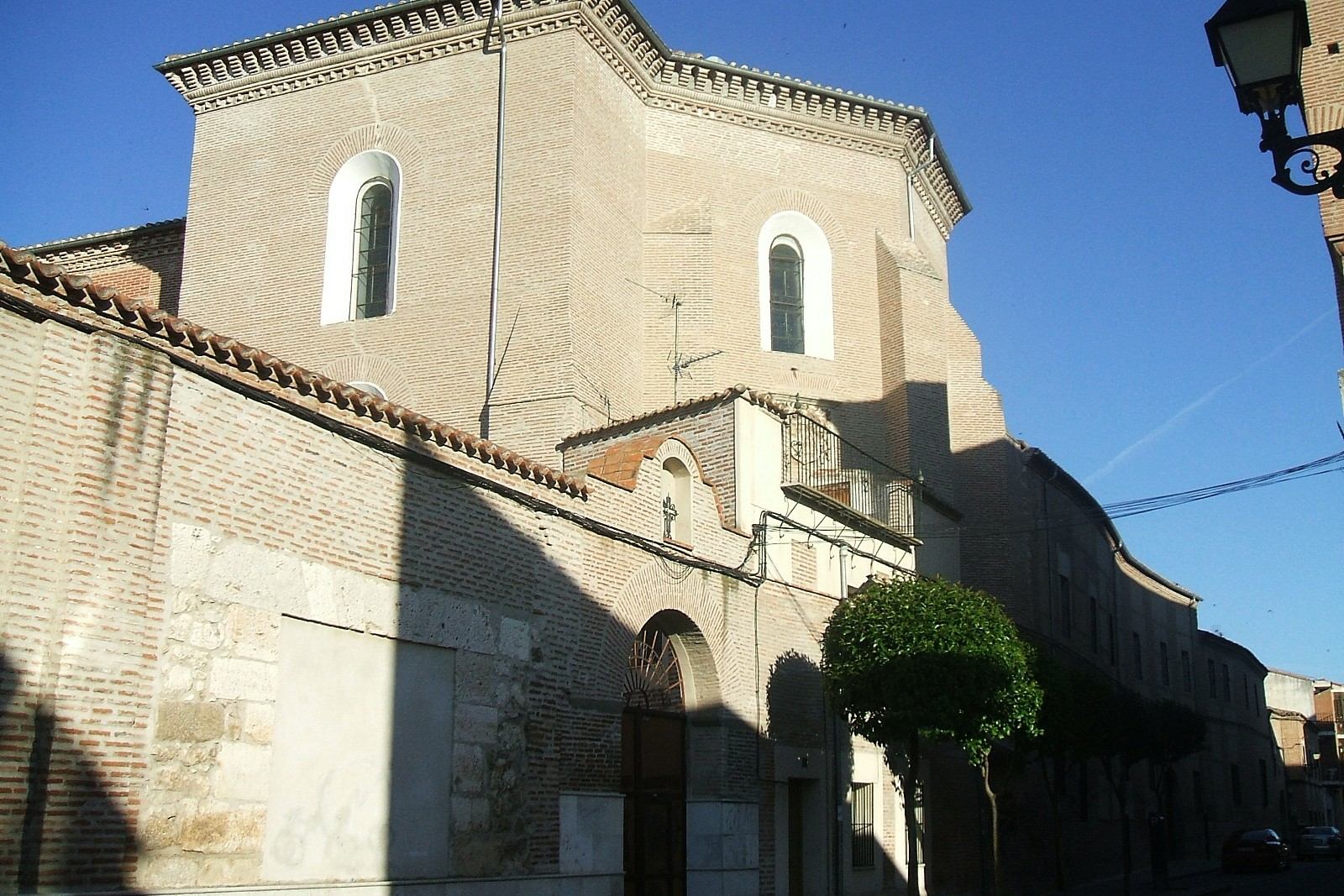
Iglesia Museo de San Antolín is a former parish church turned sacred-art museum, standing in Tordesillas, a small town on the Duero river in the province of Valladolid, Castile and León. The building carries a double identity: it is both an architectural monument in its own right and a treasury holding artworks rescued from several churches around town.
Where does this place come from?
The church was founded by the town councilman Pedro González de Alderete, with construction stretching across the 16th and 17th centuries. Its oldest section — the chancel together with the adjoining Alderete family chapel — dates back to the mid-16th century. The building was finally completed in 1644, when Gil de Reynaltos finished work on the main body of the temple. For centuries afterward it functioned as an ordinary parish church, serving the religious life of a small Castilian town.
Why did a church become a museum?
During the second half of the 20th century, several parish churches in Tordesillas closed their doors, leaving the fate of the sacred art they housed — paintings, sculptures, liturgical furnishings — uncertain. To prevent this heritage from being scattered or lost, a diocesan museum was opened here in 1969. San Antolín was a natural choice for the collection: its interior let the pieces be displayed in a setting close to their original devotional context, rather than in a sterile gallery space.
What will you find inside?
The first museum layout was provisional, more storage than showcase. A real transformation came around the 5th centenary of the Treaty of Tordesillas — the 1494 agreement between Spain and Portugal that divided the newly discovered lands beyond Europe — when the installation was renewed and the collection's pieces underwent conservation work. Among the works gathered here, a sculpture of the Immaculate Conception by Pedro de Mena stands out as the collection's finest piece. Mena was one of the leading Spanish Baroque sculptors of the 17th century, celebrated for lifelike, emotionally direct religious figures. Alongside it, the museum holds paintings, altarpieces, and liturgical objects brought from the town's closed churches, together tracing the religious and artistic history of Tordesillas across several centuries.
How do you get there, and when should you go?
The museum sits in the historic center of Tordesillas, an easy trip from Valladolid — less than 30 kilometers away, roughly 20-25 minutes by car, with bus connections also available. Tordesillas is worth visiting in its own right: it's the town where Spain and Portugal signed the treaty dividing the newly discovered world, and it preserves notable Mudejar architecture. A visit to the museum itself typically takes 30 to 60 minutes, and pairs well with a walk through the old town and a stop at the nearby Monastery of Santa Clara. Spring and autumn are the best seasons to visit, since summers in Castile can turn uncomfortably hot.
Frequently asked questions
How is this different from an ordinary church? The building is still the former parish church of San Antolín, but since 1969 it has functioned as a museum — its interior filled with sacred art relocated from other, now-closed churches in Tordesillas, rather than hosting regular services.
What is the most important piece in the collection? The sculpture of the Immaculate Conception by Pedro de Mena, a major Spanish Baroque sculptor, is considered the collection's standout work.
Where do the other exhibits come from? From Tordesillas' parish churches that closed during the second half of the 20th century — their furnishings and artworks were moved to San Antolín to preserve them for future generations.
How long does a visit take? Usually between half an hour and an hour, depending on your interest in sacred art and how thoroughly you explore each room.
Nearby places

Earn badges for the places you visit
Download NextOnTrip, discover new places and check off your trails.