About this place
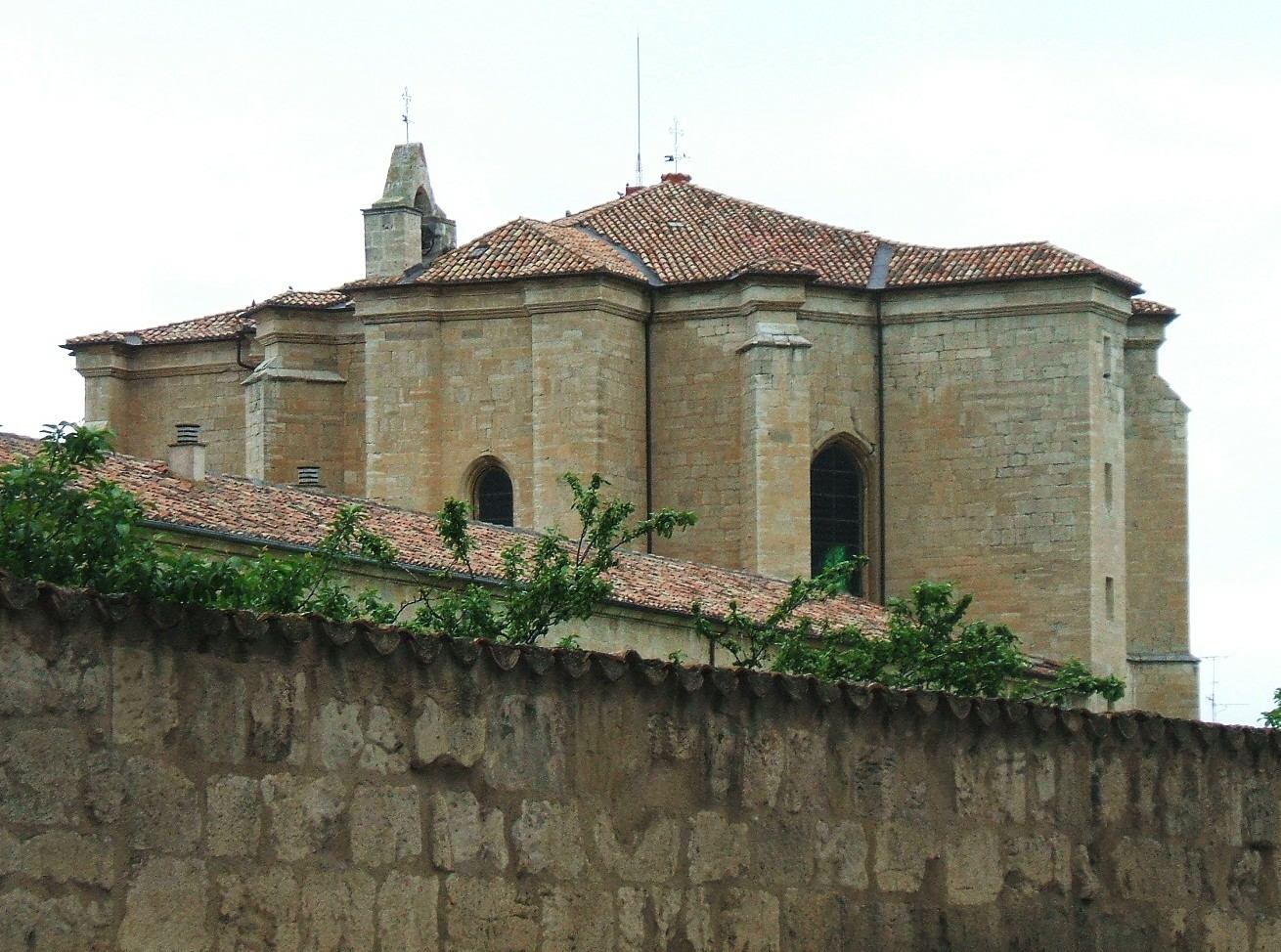
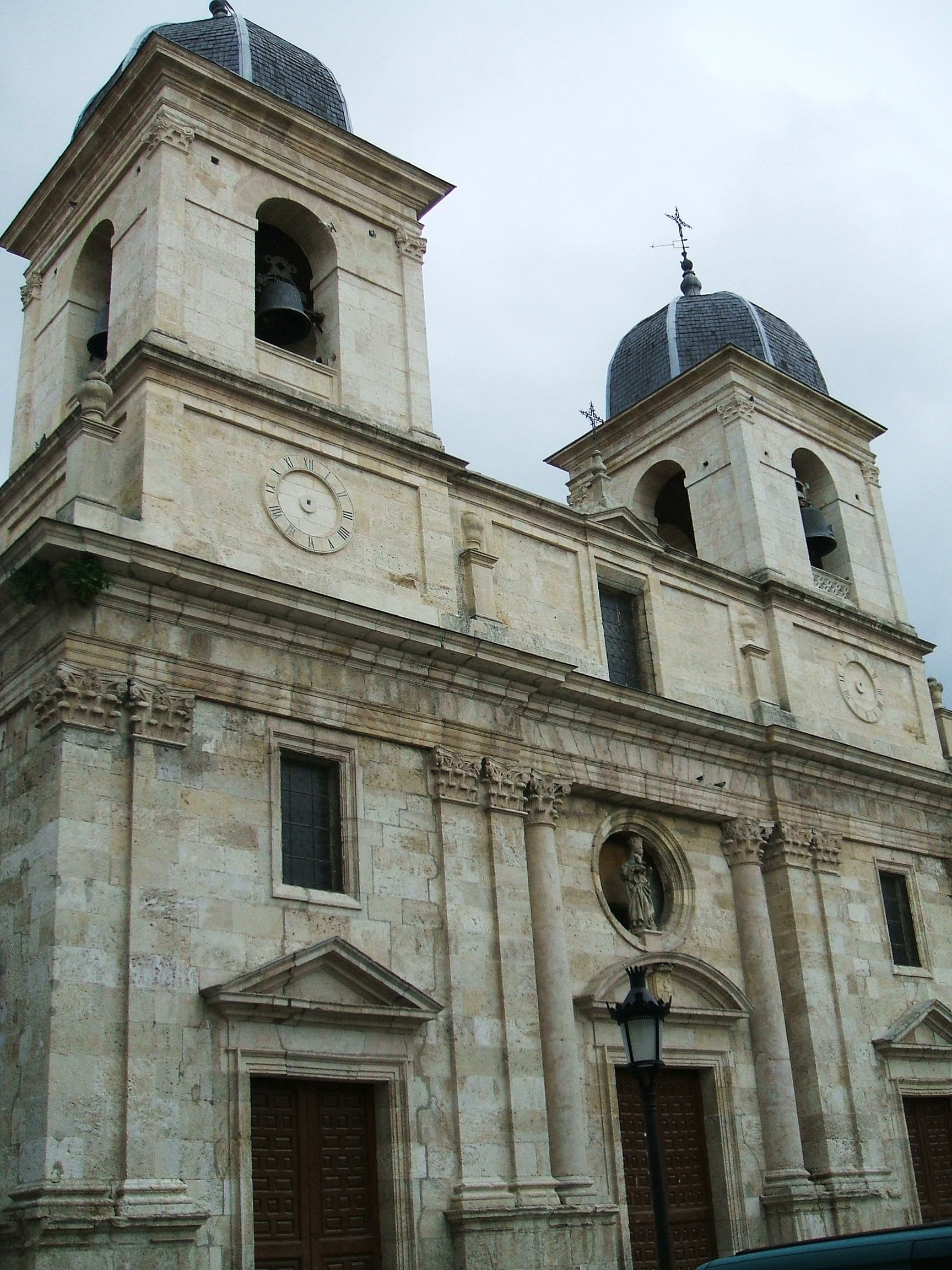
The Monastery of San Salvador de Oña is a former Benedictine monastery in the small town of Oña, in the northern part of Burgos province in Castile. Founded in 1011, it was for centuries one of the region's most important monastic centers, with a continuous history stretching into the 19th century, when the community was dissolved.
How do you get to the monastery in Oña?
Oña sits in the northern part of Burgos province, toward the border with the Basque Country, and the easiest way to reach it is by car — the drive from Burgos, the provincial capital, takes about an hour. The town lies along the route connecting Burgos with the Basque territories, making it a convenient stop for anyone touring northern Castile. The monastic complex dominates the town's layout, so it's impossible to miss on arrival in Oña.
What is the history of the monastery?
The monastery was founded in 1011 as a Benedictine foundation. From the outset it enjoyed the patronage of Castilian rulers, and it was here that early counts of Castile were buried, making Oña one of the region's key sites of dynastic memory before that role shifted to other centers. The monastic community remained active here for centuries, going through periods of growth and rebuilding typical of the great monasteries of Castile.
The monastery's fortunes changed in the 19th century, during the wave of secularizations of church property in Spain, when monastic life in Oña came to an end. Rather than disappearing, the buildings were put to other uses in the following decades — the complex served secular functions, which helped preserve much of the structure to this day, even in a changed role.
What can you see on site?
The main highlight is the monastery church, which holds the remains of medieval counts of Castile — a historical feature rarely found on this scale in a town this size. The complex also includes the former monastic cloister and cloistered quarters, which reflect the scale and importance the center held in medieval Castile.
Visiting Oña, it's worth noticing the relationship between the monastery and the town's layout — residential buildings grew up directly around the monastery walls, a pattern typical of settlements that developed around a major religious foundation.
When is the best time to visit?
The Burgos region has a continental climate, with hot summers and cold winters, so spring or autumn are the best times to visit, offering moderate temperatures and fewer crowds than the peak summer season. These seasons are also well suited to longer trips combining Oña with other towns in northern Castile.
Frequently asked questions
When was the monastery in Oña founded? The Monastery of San Salvador de Oña was founded in 1011 as a Benedictine foundation.
Why is the monastery historically important? Early counts of Castile were buried here, making it for centuries one of the region's key sites of dynastic memory.
Until when was the monastery active? The monastic community operated continuously from the 11th century until the 19th century, when religious life ended as a result of the secularization of church property in Spain.
How do you get to Oña? The most convenient way is by car — the drive from Burgos takes about an hour, and the town lies along the route toward the Basque Country.
Nearby places

Earn badges for the places you visit
Download NextOnTrip, discover new places and check off your trails.