About this place
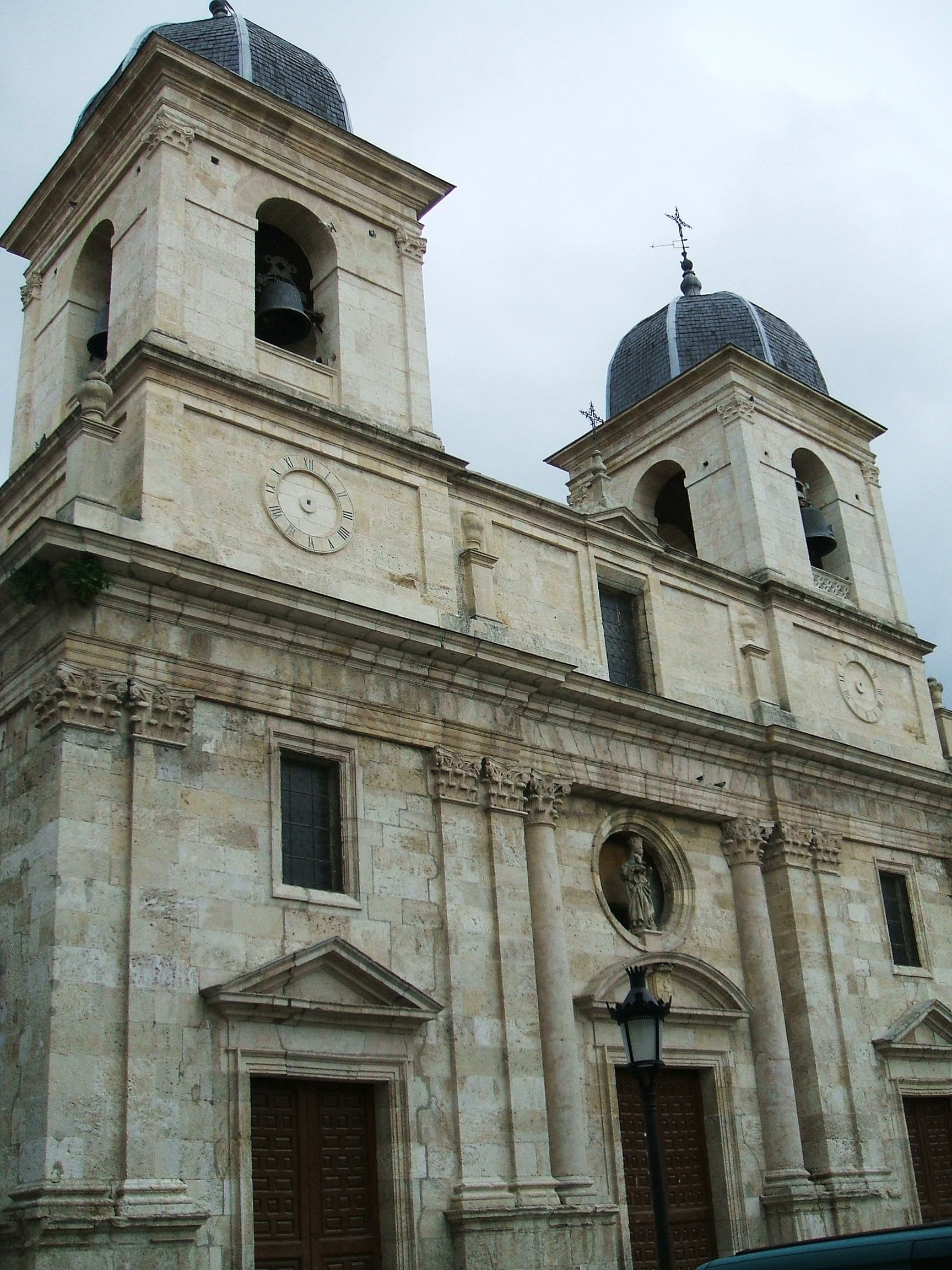
The Collegiate of Santa María la Mayor is a former collegiate church in Briviesca, a small town in the province of Burgos, in Castile and León. Although it no longer functions as a collegiate church and is currently closed to worship, it remains one of the most significant examples of religious architecture in the region and a landmark of the town.
Where did the church come from?
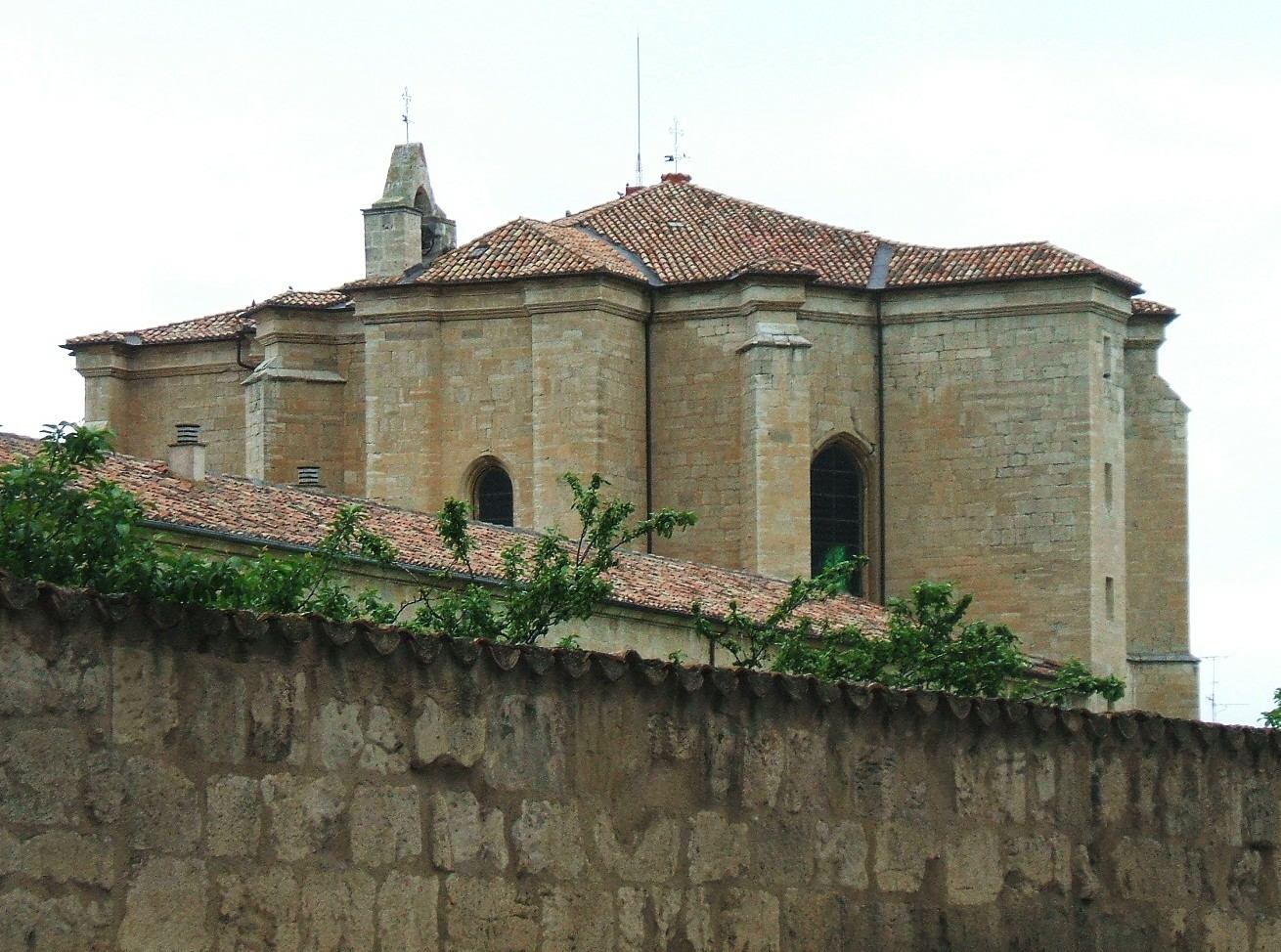
The building's history goes back to the second decade of the 14th century. It was founded by Infanta Blanca of Portugal, lady of the monastery of Santa María la Real de las Huelgas and daughter of King Alfonso III of Portugal and Beatriz of Castile. On her initiative, a major urban remodeling took place, which included laying out the new town of Briviesca together with a large Gothic temple — the building that stands today as the Collegiate. Over the following centuries the structure was repeatedly extended and altered, which is why its present appearance combines several architectural periods.
What can you see there?
The church mixes different architectural eras, though baroque and neoclassical elements dominate its exterior. The most recognizable feature is the neoclassical facade, built between 1788 and 1792 — considerably later than the original Gothic core of the building. This contrast between the medieval Gothic structure and the later, more classical additions makes the Collegiate an interesting case study in the kind of architectural layering common to many Spanish churches that were adapted over the centuries to changing tastes and needs.
It's worth knowing that the building today operates as an "ex-collegiate" (Spanish: excolegiata) — it has lost its collegiate status and no longer holds religious services, though it still stands at the heart of Briviesca as a reminder of the town's past prominence.
Why does this place matter?
The Collegiate of Santa María la Mayor is considered the first historic collegiate church of the Diocese of Burgos and one of the oldest foundations of its kind in Spain. In 1982 it was declared a Bien de Interés Cultural (property of cultural interest) in the category of national historic-artistic monument. This designation confirms the building's importance not only for Briviesca itself but for the architectural heritage of Castile and León as a whole.
How to get there and when to visit?
Briviesca lies in the province of Burgos, along the main routes connecting the region to the rest of Castile and León, which makes it a convenient stop for anyone exploring the area around the city of Burgos. The Collegiate stands in the town's historic center, so it's best explored on foot as part of a walk through the old town. Because the building is currently closed to worship, it's worth checking locally or with the tourist information office beforehand whether and when the interior can be visited.
Like much of the region, Briviesca is most pleasant to visit in spring and autumn, when temperatures are milder than in the height of summer and there are fewer visitors than during the peak holiday season.
Frequently Asked Questions
Does the Collegiate of Santa María la Mayor still hold religious services? No — the building has lost its collegiate status and is currently closed to worship. It now functions as a historic monument, known in Spain as an excolegiata.
Who founded the church? It was founded by Infanta Blanca of Portugal, daughter of King Alfonso III of Portugal, who was linked to the monastery of Santa María la Real de las Huelgas.
What architectural style is the Collegiate built in? The building combines several periods — a 14th-century Gothic core with later baroque and neoclassical additions, including the facade built between 1788 and 1792.
Is this an important heritage site nationally? Yes — in 1982 it was declared a property of cultural interest in the category of national historic-artistic monument, and the Collegiate is considered one of the oldest foundations of its kind in Spain.
Nearby places

Earn badges for the places you visit
Download NextOnTrip, discover new places and check off your trails.