About this place
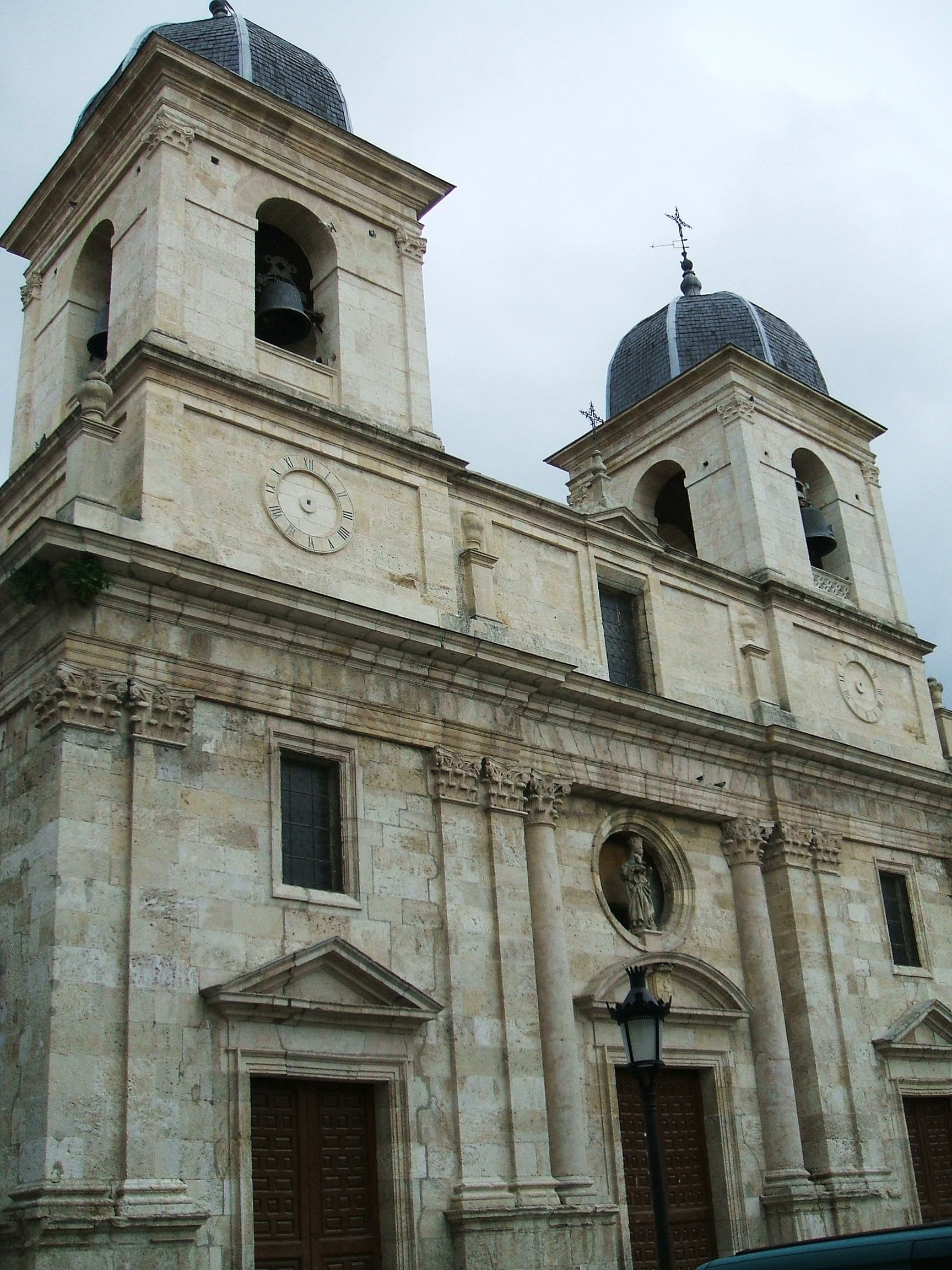
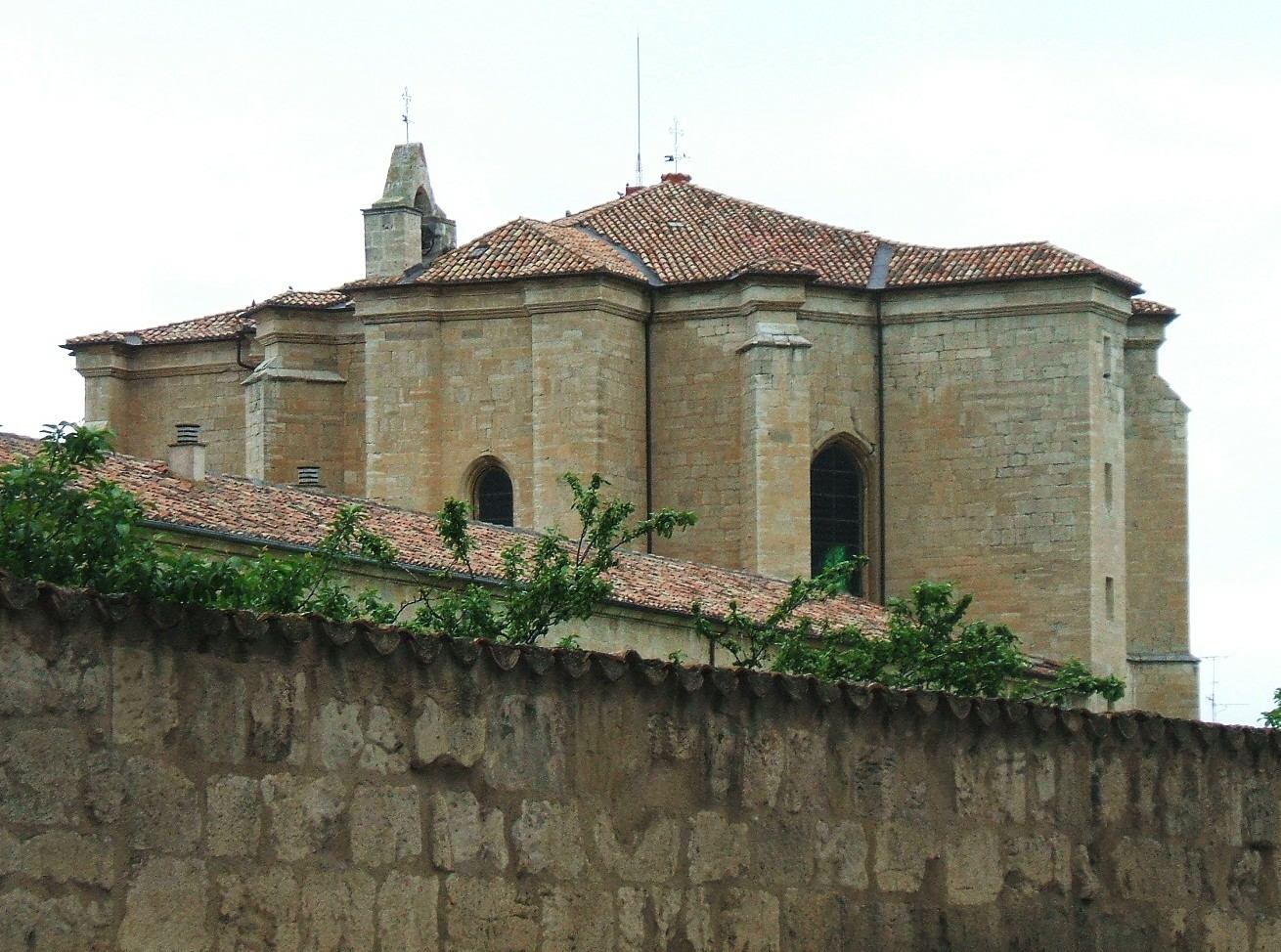
Convento de la Asunción is a former convent of Poor Clare nuns in Castil de Lences, a small settlement within the municipality of Poza de la Sal, in the province of Burgos, Castile and León. The complex stands on the grounds of an old castle — the very fortress that gave Poza de la Sal its name — making it one of the oldest surviving landmarks in the area.
Who founded the convent?
The founder was Sancha de Rojas y Velasco, daughter of the second lord of Poza de la Sal. The foundation charter is dated 2 February 1282, the day she gathered her family, the abbot of the nearby monastery of Oña, and local priests and villagers to have the founding document read aloud. Four nuns were brought in from the convent of Santa Clara in Burgos to establish monastic life on site, and because the founder held a particular devotion to Saint Clare, the community was originally known simply as the Monasterio de Santa Clara.
The founding charter went well beyond a simple act of establishment: doña Sancha endowed the convent with an extensive estate made up of land and properties scattered across several nearby towns, securing its finances for generations.
What role did it play locally?
From the outset, the convent church combined a religious with a parish function, serving the wider population of Poza de la Sal as well as the nuns themselves. The community received support from the Franciscan friars of the nearby San Bernardino convent in Poza de la Sal, a sign of how dense the network of religious life already was in this corner of Burgos province during the Middle Ages.
What can you see today?
The architectural highlight of the complex is its cloister, laid out on an unusual trapezoidal plan and built from local tuff stone. Its bays are covered by ribbed vaults typical of the Gothic style prevalent when the convent was founded. Next to the cloister stands the old refectory, spanned by four flattened arches that support a wooden roof resting on plain, sparingly decorated capitals. The contrast between the austere woodwork and the carved stone detailing captures well the character of 13th-century Castilian monastic building.
How do you get there?
Convento de la Asunción sits in Castil de Lences, a short drive from the centre of Poza de la Sal, a small town best known for its historic salt mines. Travelling by car is the most practical option, along scenic roads through the low hills and valleys of the Bureba district in Burgos province.
When is the best time to visit?
Spring and early autumn bring the mildest weather to the Burgos countryside, when the fields and hills around Poza de la Sal look their best. Summers can get quite hot, as is typical for this part of the inland Castilian plateau.
Frequently asked questions
Who founded the Convento de la Asunción? It was founded in 1282 by Sancha de Rojas y Velasco, daughter of the second lord of Poza de la Sal, who brought Poor Clare nuns from Burgos to settle there.
What did the convent replace? It was built on the site of an older castle, the same fortress that gave the town of Poza de la Sal its name.
What is the convent's most valuable architectural feature? Its trapezoidal cloister, built of tuff stone and covered with ribbed vaults, regarded as the jewel of the whole complex.
Did the convent have functions beyond religious life? Yes — its church also served as the local parish church, and the community was supported by Franciscan friars from the nearby San Bernardino convent.
Nearby places

Earn badges for the places you visit
Download NextOnTrip, discover new places and check off your trails.